Dilaudid Information
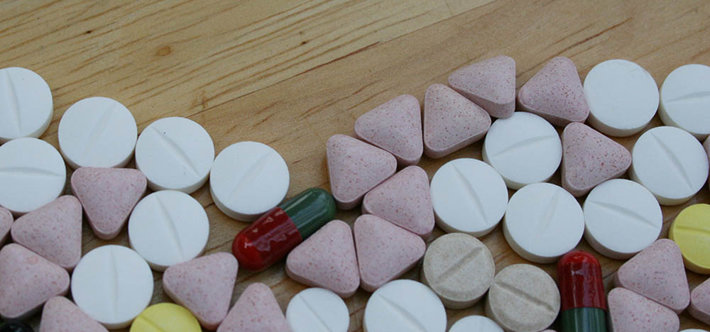
Dilaudid is part of a large group of drugs that are chemically similar to opium and that are used as painkillers. It is a brand name for an opiate called hydromorphone. As one can tell from the name, it is derived from morphine. While it has a stronger painkilling action than morphine, it is somewhat less likely to addict someone.
But when a drug is one that is frequently sought for abuse, this slight difference is not much help. Heavy abuse over an extended time will still addict a person.
Among those seeking to abuse opiates, this drug is referred to as “dillies,” among other nicknames. It is usually injected as it does not have the same impact when snorted or swallowed. Therefore the opiate abuser who does not want to inject a drug may not be attracted to it. But when injected, it will create a strong euphoria.
Those who abuse opiates have many procedures they share online on how to abuse Dilaudid most effectively. They can be injected, snorted, turned into a solution and dropped into the nose, or used rectally. But abusers agree that the high that is available is worth the work. Some abusers mix it with other opiates like heroin - a highly dangerous practice because of the possibility of an overdose resulting in death.
Dilaudid pills come in pink, orange, yellow and white, and range from two milligrams to eight milligrams. They may be either round or triangular. Abbott Laboratories owns this name but it may be used to describe any hydromorphone product. Other brand names of hydromorphone include Exalgo, Hydrostat, and Palladone. This drug is also offered as a cough medication, particularly for hard, dry coughs.
Effects are Same as for Other Opiates

The signs of abuse are basically the same for all opiates. The intensity of one effect or another may vary slightly and the addictiveness of specific drugs will also vary. As mentioned, Dilaudid has a slightly lower addictiveness but this means little when a person is abusing the drug, increasing the dosage as the tolerance increases and continuing this practice over weeks or months.
As with other opiates, the signs of Dilaudid use or abuse include:
- Dizziness, lightheadedness
- Nausea
- Vomiting
- Stomach pain
- Retention of urine
- Constipation
- Difficulty breathing
- Fainting
Overdoses of opiates like Dilaudid normally kill a person by interfering with the body’s ability to breathe. If Dilaudid is abused along with another drug that slows breathing, the result can quite easily be death.
Some people will abuse this drug to help them settle down after abusing a stimulant such as Ecstasy, methamphetamine or Adderall.
Dilaudid abuse might create addiction a little slower than abuse of other opiates, but once the person is addicted, there is no significant difference. He (or she) will have developed a tolerance, meaning that he would have needed to increase the dosage again and again as the body became accustomed to the presence of the drug. If he misses a dose of the drug, withdrawal symptoms will set in as the drug wears off.
One addict reported that his dosage increased from 8-10 mg per day to 44 mg per day two months later, to 72 mg after six months to 112 mg after a year. After that point, no amount was able to get him high. He was injecting the drug just to keep withdrawal symptoms away and be able to function.
Symptoms of his withdrawal from Dilaudid were typical for opiates:
- Profuse sweating
- Stomach cramps
- Anxiety
- Vomiting
- Intense diarrhea
- Emotional rages
- Watery eyes and nose
- Intense cravings for the drug
- Joint pain
- Restlessness, especially in the legs
- Headaches
The Narconon Drug Rehab Program Provides Support for Withdrawal
Those who choose the Narconon program to get off opiates like Dilaudid are often surprised and pleased to find out that the withdrawal they experience at these centers is much more tolerable than they have experienced before. Following any medical wean down needed, the person is then begun on a program of generous and continuous nutritional support that assists in restoring the deficiencies created by the drug use and therefore reducing many of the withdrawal symptoms. And each person at a Narconon center is given plenty of one-on-one help to stay focused on recovery and the future instead of being anxious and depressed. This support has been shown to lift spirits and provide hope of real recovery from the very beginning.
But a positive withdrawal experience is just the first step on the road to lasting sobriety. From here, the Narconon program guides each person through repairing the damage that addiction creates and learning the life skills that are needed to make drug-free decisions on a daily basis. A thorough sauna-based detoxification action flushes out old drug toxins and helps reduce cravings.
Find out why this may be the last drug rehab you or someone you care about may ever need.
 ®
®