Prescription Drugs
on this page

Most Frequently Abused Prescription Drugs
There are three classes of prescription drugs that are frequently abused by all ages, including young people.
These are:
- Pain relievers that are derived from opium or are very similar in chemical composition
- Central nervous system depressants that are used to reduce symptoms of anxiety or aid sleep
- Stimulants such as those used for young people having trouble paying attention in school
All of these classes are addictive. Most of them can result in fatal overdoses by themselves or in combination. It is very common for people to mix prescription drugs together, often to try to achieve a specific effect.
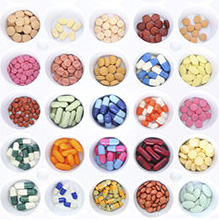
According to the annual survey Monitoring the Future that reviews drug abuse among school-aged children, prescription drug abuse has been on the rise for the last 20 years. No matter how good your relationship is with your children, they are going to witness prescription drug abuse among their friends and colleagues. If their personal convictions about drug abuse are not strong enough, they may be tempted to join in, even if the idea is that they will only “do it once to see what it is like.” For some people, this is all it takes for them to set aside their convictions and try that drug a few more times. Some of these drugs are so addictive at the high dosages consumed during recreational use that this is all it takes for cravings to kick in which drive a person straight into full-blown addiction. The other possibility is that a person could get enough of a strong drug to kill them, first time out. It has happened far too many times.

What You Need to Know
Download this booklet to get the facts about Prescription Drug Abuse.
DOWNLOAD NOWPain Relievers: Opiates and Opioids
Opium has been used to treat pain for thousands of years. Opium comes from a poppy, Papaver somniferum, which is grown mostly in Afghanistan, Colombia, Mexico and Southeast Asia. The resin that oozes from the seed pod of the poppy is collected, resulting in balls of opium which may be smoked. Most of the product is processed into morphine, some of which is chemically refined into heroin.
Some prescription painkillers are directly derived from opium. There are some that are completely or partly synthetic. Semi-synthetics and fully synthetic painkillers are called opioids.
Opiates
- Heroin
- Morphine
- Codeine
- Diacetylmorphine
- Desomorphine
Opioids
- Hydrocodone (sold as Lortab, Lorcet, Vicodin and others)
- Oxycodone (sold as OxyContin, Percocet, Percodan and others)
- Buprenorphine (sold as Subutex or Suboxone)
- Methadone
- Tramadol
- Fentanyl
This is not a complete list by any means. There are hundreds of formulations of opiates and opioids. These are the ones that most people are familiar with.
Central Nervous System Depressants
These are drugs that are intended to calm a person down or enable him to sleep. This class of drug consists of benzodiazepines like Xanax, Valium, Librium and many others. It also includes barbiturates or sleeping pills like Nembutal or Seconal. While it is not technically part of the same category, these drugs are often mixed with carisoprodol, brand named Soma, a popular muscle relaxant.
Benzodiazepines and barbiturates both suppress the breathing, which is how they cause overdose deaths. A person’s breathing slows down so much that he simply dies.
Drugs in Combination

It is very common for a person abusing opiates to mix this drug with others. He could mix opiates and alcohol, opiates and marijuana or alternate opiates with a stimulant like cocaine. Many people choose to combine opiates with benzodiazepines, or consume the combination opiates-benzodiazepines-carisoprodol in an attempt to get a very specific high. This last combination, called the “Houston cocktail,” is said to be similar to heroin in its effects. The combination of opiates-benzodiazepines is called the “Las Vegas cocktail.”
When more than one drug has the effect of slowing down respiration, a person increases his chances of an overdose death when he mixes drugs. Opiates, benzodiazepines and alcohol all suppress breathing. Most overdose deaths involve more than one drug, very often several drugs.
Stimulants
There are several prescription stimulants that may be passed around from one young person to another, on a high school or college campus in particular. These are the drugs that may be prescribed when a young person has been said to suffer with ADHD:
- Ritalin (methyphenidate)
- Concerta (extended release methyphenidate)
- Adderall (amphetamine)
- Strattera (atomoxitine hcl)
- Vyvase (lisdesamfetamine - related to dextroamphetamine)
- Dexedrine (dextroamphetamine)
You will notice that some of these drugs have a similar chemical composition to a dangerous, addictive illicit drug - methamphetamine.
Whether a young person ever needs these drugs or not can be debated. But needed or not, they all have the potential for abuse and addiction. The media carries few stories about addiction to these drugs. But in 2013, Senator Chuck Schumer of New York was concerned enough to propose that public and private colleges in the state create tougher standards regulating the prescribing of these drugs for students and mandating drug education for all students on the dangers of abusing them.
At some colleges, faculty estimate that as many as one in three students has abused one of these drugs. Usage is particularly high when it is time to study for finals or to write term papers.

Prescription Drug Abuse Statistics
Every day, across the nation, 2,500 of America’s youth abuse a prescription drug for the first time.
Every year, more people initiate abuse of prescription drugs than any other drug. More than 2.1 million people a year begin abusing prescription drugs, compared to just over two million that begin to abuse marijuana. Placing third with more than a million initiates per year is the abuse of tranquilizers.
Out of the top ten drugs, people start to abuse each year, three are prescription drugs. In all, approximately 3.3 million people start to abuse these three prescription drugs each year. About a million of these people are between 12 and 17 years of age.
In all, more than six million Americans abuse prescription drugs each year. That number is steeply up from 3.8 million in 2000.
These startling figures serve to point out the tragic growth in the abuse of prescription drugs. While proper use according to doctor’s directions can be therapeutic, when they are abused, the playing field is wide open and the results can be deadly.
Recovery from Addiction to Prescription Medications is No Easier Than Any Other Drug
Sadly, many people become addicted to pain medication, sedatives, sleep aids or stimulants even when they were properly prescribed and used according to the instructions. Some people find they can’t stop taking them when they want to and some people phase into recreational use. Either way, many people who find themselves addicted to medication need help to get through withdrawal and full recovery.
Withdrawal can be a difficult phase of recovery unless one has the correct support. Some people find it so difficult that doctors will administer other opioids such as buprenorphine to prevent withdrawal symptoms. While the idea is that a person can be tapered off buprenorphine after a period of time, that period often stretches into years, meaning that a person who is trying to recover from addiction is still influenced by a drug for years.
It is possible to go through a tolerable withdrawal process as part of a substance abuse treatment program - if you choose the right program.
To Many Youth, Abuse of Prescription Drugs is Acceptable
Factors that influence young people to abuse prescription drugs include:
- Acceptability
- Availability
- A desire to eliminate unpleasant emotions or stresses
- Initiation of prescription drug patterns resulting from medical treatment
Many young people feel that since prescription drugs are manufactured by reputable companies, abusing these drugs is safer than using illicit drugs such as cocaine, heroin or methamphetamine. Many youth and young adults freely exchange supplies of controlled prescription substances they have obtained from their own medicine chests or those of other family members.
Seventy percent of people who abuse prescription pain relievers such as OxyContin (oxycodone), Vicodin (hydrocodone), morphine, codeine or methadone got these drugs from a relative or friend, often without their knowledge. Some young people admit checking out the bathroom cabinets when they visit other people’s homes to see what they can find, taking only a few pills so their theft is not obvious.
When asked why they started using either prescription drugs or illicit drugs, young people cited stress about school or home problems or wanting to fit in or feel more comfortable socially as major reasons. Without intending to become addicted, a young person may abuse prescription drugs on the weekends a few times and then find that the cravings quickly convert recreational use into habitual use.
Another factor that comes into play in the abusing of prescription medication by youth is the pattern of liberal administration of drugs by doctors. Ritalin, Adderall, Concerta, Strattera and other drugs are stimulants prescribed to treat Attention Deficit Disorder or Attention Deficit Hyperactivity Disorder in millions of American youth. Doctors also liberally prescribe pain relievers such as Vicodin or OxyContin for pain, especially sports injury pain. Even a loving parent’s administration of over-the-counter cough syrups such as NyQuil or Robitussin may open the door to the abuse of the same substance when the child is older.
Overdose Deaths from Prescription Medications Increasing
A recent report from Florida provided some insight into how deadly prescription drugs can be and how fast death statistics are growing. The Florida Department of Law Enforcement worked with the state’s Medical Examiners to analyze the death toll being created by prescription drug abuse. In 2008, 8,500 individuals were found to have died with one or more drugs in their bodies. The most common prescription medications found in these deaths were benzodiazepines (such as alprazolam, sold as Xanax) or the painkiller oxycodone, often sold as OxyContin. Coroners found alprazolam in 25 percent more deaths in 2008 than the prior year.
More than half the times that painkillers methadone or oxycodone were found in a deceased person’s body, that drug itself was the cause of death. Deaths caused by oxycodone increased 33.5 percent over the prior year.
The report also noted that when alcohol was excluded from these results, prescription drugs accounted for 75 percent of all drug occurrences in these deaths.
It’s easy to see that abuse of prescription medications can be just as deadly as the abuse of any illicit drug. Across the country, states report that their deaths from prescription medication abuse are doubling and tripling in just a few years.
The Right Way to Get Through Withdrawal from Prescription Medications
First, a person may need to complete a medical wean down that is often required to ensure a person safely comes down off the drug, such as the case with benzodiazepines and some other drugs. Then a tolerable process to assist them in fully withdrawing from the drugs can be created through the following means:
- Nutritional support in the form of vitamins, minerals and other supplements that help the body detoxify
- Gentle re-orientation exercises that help the person focus on a new, safe environment instead of the dangerous or unprotected environment they may have been in
- Physical assists that calm muscle spasms and relieve stress and pain
- Ample healthful food and drink available at all hours
- Around the clock supervision to handle any problems that might come up
- Mineral and nutritional sleep aids.
This list describes the withdrawal portion of the drug and alcohol rehabilitation program at Narconon. Around the world, these tools are used to help those addicted to prescription drugs or street drugs recover from their addictions.
Addicts of any kind of drugs find that it is not necessary to quit drug use “cold turkey” at a Narconon addiction treatment facility. With the right kind of care, it is possible that withdrawal can be a tolerable process, meaning that one of the biggest obstacles to complete recovery from addiction to narcotics, stimulants, sedatives or other drugs can be overcome.
If you need to help someone with prescription drugs addiction, contact Narconon.

 ) on our articles for the most up-to-date and accurate information.