Mescaline: Drug Info
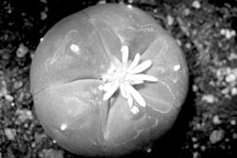
Mescaline is a drug found in a variety of cacti, particularly peyote, San Pedro and Peruvian torch cactus. It is perhaps most popularly used by soaking or chewing peyote buttons, the small knob-like shapes formed by the cactus. But the cactus material may also be powdered, turned into a tea or otherwise processed and the drug can also be synthesized in a lab.
Use of mescaline and peyote appears to go back as far as 4000 B.C. Peyote was also used medically as it has antiseptic properties.
Mescaline is a hallucinogen and has long been used by Native Americans as part of religious rituals. It is still used in this way by some tribes today. Use has primarily centered around the American Southwest, Texas, and Mexico.
As a drug of abuse, mescaline is classed as a hallucinogen, similar in effect to LSD. A mescaline user may have flashbacks of past drug experiences, as happens with LSD. The effects of mescaline will last about twelve hours.
It is not thought that mescaline creates physical addiction like an opiate would, but it quickly produces a tolerance, meaning that the mescaline user who abuses the drug repeatedly would need to increase the dosage. The drug can also become psychologically addictive, meaning that a person depends on this drug to get through life and suffers adverse effects if it is withdrawn.
Why Do People Abuse Mescaline?

Most people will experience an altered reality while using this drug and some people will enjoy this. They may see colors brighter or feel more deeply affected by music. While the drug is classed as a hallucinogen and has some similar properties, it is not usual to actually hallucinate while using the drug.
But the effects of the drug are unpredictable, varying from person to person and even from one use to the next. A person may find one use pleasant but during the next use of this drug and may experience symptoms similar to serious mental illness. Extreme moodiness, sudden highs, and lows of emotion, confusion, depression, and anxiety are not unusual. The mescaline user can be confused by the bewildering and abrupt changes of emotion he (or she) experiences.
The drug often causes nausea and vomiting, and loss of appetite and inability to sleep are common. The user's heart may race and he may feel dizzy, have a headache and diarrhea. He may also sweat heavily and be unable to fully coordinate body movements.
Rehab for Mescaline Addiction
While a person may not go through physical withdrawal after becoming dependent on this drug, it could be possible to need rehabilitation to recover from the mental effects and dependence. The drug can cause emotional instability, confusion, and flashbacks, and a person may need to rebuild his ability to deal with life’s problems and issues with his own intelligence instead of an altered reality.
This is the service provided at Narconon drug and alcohol rehabilitation centers. In some forty worldwide locations, the Narconon program offers a deep detoxification program that can activate the body’s ability to flush out residual toxins from mescaline abuse, helping to eliminate the drug’s lingering effects.
Life skills training includes learning how poor decisions regarding friends and acquaintances damaged their lives in the past and how to make better choices in the future. The individual learns how personal values are lost and how to restore them. When the road to an enjoyable life is wide open after the Narconon drug rehab program, the idea of altering one’s reality can be seen as dangerous and unnecessary. Contact us to learn how a person addicted to mescaline can find a new, enjoyable and productive life as a result of the Narconon rehab program.
Resources:
 ®
®