The Result-Driven Cocaine Rehab & Addiction Treatment Program
ON THIS PAGE
Although fentanyl has owned the headlines for the last several years, cocaine addiction is still a severe and deadly burden for America.
Cocaine is an addictive stimulant drug produced in jungle laboratories from the Coca plant, native to South America, and is mainly grown in Colombia, Peru, and Bolivia. Driven by demand for the drug worldwide, Cocaine production has significantly increased. In a recent ten-year period, cocaine production increased from 290 metric tons to more than 2,664 metric tons.
The demand for the drug is intense, driven by it’s highly addictive nature and despite severe health consequences. Each year, between 20,000 and 30,000 people die as a result of cocaine use. Cocaine stresses the heart and vascular system, rupturing arteries or causing arrhythmias or strokes. Coke induced seizures and high fevers can also cause death.
Those using cocaine are also in danger of encountering fentanyl. In some areas, it has become vital to test one’s cocaine to see if it contains fentanyl before consuming any.
Cocaine is highly addictive. Coke users sometimes find it impossible to stop using it even though it can ruin their finances, business, family and health.
Another form of cocaine—crack cocaine—is even more addictive. With intense highs only lasting minutes followed by extreme cravings, crack cocaine has been known to destroy entire neighborhoods. Once thought to be a problem limited to poor neighborhoods in big cities, crack cocaine does not discriminate. Users come from all walks of life, and the consequences they face are often deadly.
For nearly 60 years, many people who have been addicted to cocaine have come to Narconon drug rehabilitation centers for recovery. Here, they have learned that they can put addiction behind them and enjoy a long, sober life. In Narconon centers on five continents, tens of thousands of individuals have graduated this program to go on to being stable, productive, sober members of society.
C.L., Narconon GraduateI have been to many other programs to get clean, and it would almost be impossible to compare this one to any other. The program at Narconon is totally comprehensive and works on all aspects of ridding your body of drugs, all the way through to life skills and life-changing conditions moving forward. I ended up here through a recommendation from a truly close friend and am eternally grateful—so grateful. This course saved my life. I would never have made it.
“This is a special rehab because you end up dropping the idea that you ever did the drugs or that you were drinking.”
Narconon’s Worldwide Mission
No matter what drug is being used, no matter what form drug addiction takes, the entire mission of Narconon is to restore individuals to fully drug-free lives. Every time a person breaks free from addiction, an entire family has the chance to heal. Children in these families begin to live better lives. Communities recover one more person who is free from the compulsion to find and use drugs every day.
The international Narconon network consists of 31 residential drug rehab facilities in more than a dozen nations. Tens of thousands of addicts have graduated from this program since its inception in 1966. For nearly six decades, Narconon staff and executives have operated this non-profit, public benefit organization solely to help individuals break free from the desperate trap of addiction.
The Narconon program is based on the researches and discoveries of the American author and humanitarian, L. Ron Hubbard. Mr. Hubbard also founded the Scientology religion, however the Narconon program is fully secular and not part of the Church of Scientology. Individuals of many religions have completed the Narconon program and often state that they are better able to follow the principles of their original faith as a result.
What makes Narconon stand out is its different approach. Unlike many other rehab programs, it doesn’t rely on substituting one drug for another. Instead, it addresses both the physical and mental aspects and how they relate to addiction. Narconon doesn’t believe that a person is doomed to be an addict for life. It believes in real recovery, and it works. The success rate is proof of that.”
M.M., Mother of Narconon Graduate
Understanding Cocaine Addiction
When a person becomes addicted to cocaine or crack cocaine, their addiction is both physical and psychological. Emotionally and mentally, they can feel like they can’t function without cocaine in their system. Their intense cravings are likely to drive them out into the night to get more drugs, even if they have told themselves they absolutely must quit.
Crack cocaine is even more intensely addictive than other forms of cocaine. Because it is made locally and not trafficked long distances, there is less chance of it being seized by law enforcement.
When someone has been using cocaine heavily and frequently, they are likely to experience intense withdrawal symptoms when they quit. These withdrawal symptoms can very easily force them to start using the drug again just so they can feel “normal” again. They can include:
- Exhaustion
- Agitation
- Depression
- Fatigue
- Irritability
- Anxiety
- Intense and persistent cravings for cocaine
In addition to these withdrawal symptoms, cocaine can also produce a form of temporary psychosis which can result in suicidal thoughts, violent behavior and even death.
Other symptoms commonly experienced from cocaine addiction is guilt and depression resulting from lost integrity and self-respect. With the right support, it is possible to get through these symptoms and return to a healthy sobriety.
Where Is Cocaine Being Used in the U.S.?
While nightlife cities like Las Vegas are places where you would expect cocaine use to be the greatest, that’s not necessarily the case. Colorado, Vermont, District of Columbia and Rhode Island have the highest rates of cocaine use. Next in line were Massachusetts, California, Ohio and New York.
Party venues do have high rates of cocaine use. More than a third of the people present at New York’s nightclubs and electronic dance festivals are cocaine users, according to one recent study.
Polydrug Use Involving Cocaine
Polydrug use refers to the practice of using two or more drugs at the same time or close together. While it’s not widely known, the vast majority of drug users don’t limit themselves to just one drug. This practice is especially true for cocaine. The following combinations can create damage far more than cocaine alone:
- Cocaine and Opioids (called a "Speedball"): The opioids used are most commonly heroin or fentanyl. This combination alleviates the agitation of cocaine and the depressant effects of heroin. However, this mix significantly increases the risk of respiratory depression, heart failure, and fatal overdose. Those using this combination also typically suffer higher rates of mental problems than those who use cocaine by itself.
- Cocaine and Alcohol: When cocaine use is mixed with alcohol (very common at nightclubs and dance venues), a third drug is created in the liver: cocaethylene. This new drug increases the risk of sudden death 18 to 25-fold compared to the damage of cocaine alone. Cocaethylene is linked to much greater cardiovascular toxicity and possibility of organ damage.
- Cocaine and Cannabis: A common combination, especially among younger people. This combination can intensify the psychological effects of both drugs. These two drugs together also increases the strain on the heart.
- Cocaine and Ecstasy/MDMA: Often seen in party and club settings, this mix can cause severe cardiovascular strain, dangerously increased body temperature and seizures.
- Cocaine and Benzodiazepines: Some users combine these two drugs to manage cocaine’s stimulant effects or to aid with comedowns. However, this combination increases the risk of overdose and respiratory depression. It also produces a similar effect to using opioids with cocaine.
- Cocaine and Amphetamines/Methamphetamine: Combining two stimulants can lead to extreme agitation, cardiovascular complications, and impaired judgment, with a higher risk of overdose and mental health crisis.
- Cocaine and LSD or Other Hallucinogens: This combination can result in unpredictable psychological effects, including hallucinations, paranoia, and increased risk of accidents or self-harm.
What Is Pink Cocaine and Where Does It Come From?
Pink Cocaine is a party drug but usually does not contain cocaine. It often contains the veterinary anesthetic ketamine, the club drug ecstasy, and caffeine. It is colored pink with food coloring just to make it more marketable. It’s called pink cocaine because of its color and its effects, which can be similar to cocaine.
Initially, samples of pink cocaine contained synthetic stimulants 2C or 2-CB. As a result, pink cocaine may also be referred to as “tusi” because of the number-letter descriptor. However many recent samples have proven to also contain methamphetamine, hallucinogens like MDA, a psychoactive substance that alters mood and perception, the psychedelic drug DMT, xylazine or “tranq” a veterinary tranquilizer or opioid drugs like oxycodone or fentanyl.
The effects of using pink cocaine can be severe and will vary by which drugs are found in each batch. Symptoms users have reported include:
- Vomiting
- Loss of consciousness
- Agitation
- Paranoia
- Hallucinations
- Increased body temperature
- Higher heart rate and blood pressure
- Seizures
- Amnesia
- Abnormal heart rhythms
Pink Cocaine’s unpredictable ingredients make this a dangerous drug to abuse.
Signs and Symptoms of Cocaine Addiction
Because cocaine is such a strong stimulant, users may stay up bingeing on this drug for as long as the money and drugs hold out. They sleep and eat very little. This bingeing will impose severe physical and mental stress on the user. Cocaine effects can start rapidly after first use. Common signs and symptoms of use include:
- Agitation
- Depression after coming down
- Paranoia
- Intense cravings
As with any addiction, cocaine can make someone dissatisfied with life, driving further drug use.
After extended and heavy use of either powder or crack cocaine, life threatening and potentially dangerous effects are seen in some users, including:
- Hallucinations
- Delusions
- Violent thoughts
- Suicidal thoughts
Heavy use can also cause cocaine psychosis which is a life threatening condition cause by cocaine’s effect on the nervous system.
Often people make the mistake of thinking that cocaine use can be casual and that they are not in danger of addiction. Anyone believing they can use cocaine without becoming addicted is likely in denial or refusing to look at the consequences of their use. When a person develops a tolerance to cocaine, more and more of it must be consumed to get the intended high. The second sign of addiction is continued cocaine use even though the person experiences damage to their relationships, work, health and life in general.
The third threshold signaling addiction is withdrawal symptoms. Typical symptoms as one comes off cocaine include a crash consisting of depression, inability to feel pleasure, anxiety, irritability, apathy and, of course, intense cravings. Suicidal thoughts may also occur which makes it essential that a person have support during this time.
Health Effects of Cocaine Abuse
Over time, the bodily damage from heavy cocaine use can be devastating. As a stimulant, it boosts both blood pressure and the heart rate which creates severe stress on the cardiovascular system. One of the effects of this stress is aortic dissection which occurs when the layers of the aorta (a major artery leading from the heart) rip apart. Aortic dissection is often fatal.
The health damage caused by cocaine can vary depending on whether the drug is smoked, snorted, swallowed or injected. The effects include:
- Loss of sense of smell
- Nose damage or collapse
- Damage to lungs
- Intestinal tears, ulcerations and gangrene
- Increased risk of stroke
- Heart inflammation
- Cardiac arrest or attack
- Muscle breakdown
- Seizures
- Bleeding in the brain
- Cognitive problems like memory loss and difficulty making decisions
- Parkinson’s disease (after many years of use)
Cocaine use during pregnancy can have similar consequences on the unborn child. The placental lining can separate from the uterus and the mother may suffer seizures or miscarriage. Babies may be delivered prematurely and may suffer low birth weights.
Cocaine Plus Drug Adulterants or Combinations
Adulterated cocaine refers to cocaine that has been mixed with other substances, known as adulterants or cutting agents, to increase its bulk, enhance its effects or make it more profitable for dealers.
Cocaine is very often contaminated with other substances, such as phenacetin, fentanyl, the veterinary drugs levamisole or xylazine. The effects of these adulterants include death of skin tissues, heart disturbances, kidney failure or harm to the heart.
Another particularly damaging combination is alcohol and cocaine. When these two drugs are present at the same time in the human body, they form cocaethylene, a third drug. The effects of cocaethylene can be more intense and long-lasting than cocaine by itself. It is toxic to both the heart and liver.
The dangers of adulterated cocaine include increased risk of overdose, adverse health effects, and addiction.
It’s important to understand that cocaine bought on the street is almost always adulterated, and the specific substances and their concentrations are often unknown. Using cocaine carries definite risks and adulteration significantly increases these risks.
Cocaine is destroying lives. Don't let it destroy yours or someone you love. Get the vital facts about cocaine.
DOWNLOAD NOWThe Challenge of Cocaine Recovery
Cocaine is a very expensive habit as well as a very harmful one. Use of this drug can quickly become the focus of a person’s life. Family members and other loved ones may be at their wit’s ends trying to understand what’s happening if they don’t know about this person’s cocaine addiction. When they do discover that the fundamental problem is addiction, it can be a struggle to try to get the person into rehab. Understanding what’s happening with a person who’s addicted to cocaine makes it more possible to successfully deal with this dangerous situation.
Sometimes a frightening experience helps an addicted person realize that their life has spun out of control. That might cause them to approach their family for help. At that moment, those who care about this person should waste no time in calling the Narconon drug and alcohol rehab program for help.
The Narconon recovery program for cocaine addiction has been helping the addicted regain control for nearly 60 years.
When You Learn That a Loved One is Addicted to Cocaine
No matter what your loved one says to you about the addiction, their recovery from cocaine addiction must start now. Those addicted to cocaine and other drugs typically can’t see the harm they have done to themselves. If they are challenged about their drug use, they make excuses and try to manipulate those around them so they get left alone. They just want to continue using the drug. Again, it’s like the drug is doing the thinking.
To enable the person you love and want to help start making rational decisions about their own health and life, they must achieve sobriety. In so many cases, achieving sobriety requires the support of a residential, long-term rehab program.
Who Should Go to Cocaine Rehab?
The sooner a person who is addicted to cocaine can arrive in rehab, the better. There is no safe level of cocaine use. Any person using cocaine needs to arrive in rehab immediately. There, they can learn how to stop the damage to their health and life. The longer the delay in finding rehab, the more chances there are that your loved one can lose their life. Cocaine itself can cause fatal overdoses, and any illicit drug on the market can be contaminated with fentanyl or other toxic substance.
When you discover that a loved one is using cocaine, they may promise to give up drugs. They may swear they will get their lives back on track. You should realize that the intense cravings for more cocaine may make it impossible for them to quit without help. Find a good cocaine rehab for them immediately.
Don’t wait for them to admit that they need help. When a person is deep in addiction, it is often impossible for them to ask for help. Many people in this situation can’t possibly take the risk of looking at how much harm they’ve already caused themselves or those around them. The continued use of drugs conceals the pain they feel deep down. At this stage of addiction, it’s almost like the drugs themselves make the decisions, not the individual.
This pain and denial can come to an end when they complete the right cocaine rehab program.
Aided by the structure and discipline of the Narconon drug rehab program, they can finally recover their ability to make sober decisions. They can also get their life, health and self-respect back. An effective program like the Narconon drug rehab program can greatly increase your loved one’s ability to escape the devastating physical, emotional and mental effects of cocaine addiction.
My life was a revolving door of using and going to rehabs, detox centers and sober living. I went in and out of so many rehab centers, I lost count.
“I was open to the idea of treatment but reluctant because treatment had never helped me before. When I arrived at Narconon, I could immediately tell it wasn’t like any other program I had been to before.”
D.T., Narconon Graduate
What Happens During Cocaine Rehab?
In addition to getting an addict off of drugs, a rehab program helps a person develop new habits and a whole new lifestyle. That shift is often dramatic and requires guidance and support to achieve. The practice of reaching for drugs to dull pain or obliterate problems must be abandoned.
When your loved one enters rehab, they become separated from drug supplies, drug users and others who might enable their habit. They have a chance to experience a drug-free life, perhaps for the first time in years or even decades. Without this separation from the world of drug abuse, they might have no chance of achieving sobriety. Successful rehabilitation often requires complete removal from the influences and triggers that led them to drugs in the first place.
At Narconon drug rehabilitation centers, a step-by-step approach provides the necessary guidance and structure. Narconon not only addresses the compulsions of addiction, but also addresses the reasons the person became addicted in the first place. Without a thorough system of recovery, many people complete rehab, only to relapse or return weeks, months or even a few days later. The Narconon residential long-term program gives each person time to recover physically and mentally as well as time to develop new sober living skills.
I went through a lot—even getting fired from a job that I loved, living in halfway houses, going to thousands of Alcoholics, Cocaine and Narcotics Anonymous meetings, being kicked out of halfway houses after relapsing, and disappearing for days on drug binges. I was stuck in a cycle of rehab and relapse for many years, with no hope of escape from that vicious cycle.
“The Narconon program works. It’s not about managing addiction; it’s about ending it. The New Life Detox and the training drills are powerful life-saving tools for long-term survival in the real world.”
K.Z., Narconon Graduate
Cocaine Detoxification and Withdrawal
The symptoms of cocaine withdrawal are often quite intense. In a few cases, a person will need the support of a medical detox to come off this drug safely. Cocaine psychosis can result from long-term use of cocaine or crack and can manifest as paranoia, hallucinations and psychosis. Whenever these symptoms appear, medical attention is needed immediately to provide safe detoxification before the person enters a rehab facility.
Because of the physical and mental harm that can be caused by cocaine, each person starting their withdrawal at a Narconon center is examined by a medical professional to ensure they can go through withdrawal and the rest of the rehab program safely.
If they first require a medical detox, this will be done at a facility with medical supervision independent of Narconon after which they can then commence the actual Narconon program.
Symptoms of cocaine withdrawal may include:
- Depression
- Inability to feel pleasure
- Extreme fatigue
- Insomnia or excessive sleepiness
- Agitation
- Anxiety
- Intense cravings
- Difficulty concentrating
- Slowed movements
- Muscle aches and nerve pain
- Tremors and chills
- Hostility
Upon entering Narconon, each addict receives nutritional supplements to ease withdrawal symptoms and help the body repair itself. Trained staff work with each person around the clock, to help them focus on the present and a sober future instead of the anguish of the past. Usually it takes one to two weeks to get a person through their withdrawal, though some symptoms may persist for a longer time. With the help of the vitamin and nutritional regimen and when they are eating and sleeping well, they can proceed with the next steps of the Narconon rehabilitation process.
C.M., Narconon GraduateIt was by far the easiest withdrawal I had experienced in my life. The staff had set me up for success. They were very attentive and catered to my every need. I then felt a sense of security and comfort, and at that moment, I knew I was in the right place.”
We're here. We're ready to help you.
Call us at
1-800-737-5250
to get help now.
or learn more about the Narconon Drug Rehabilitation Program
Benefits of Choosing Drug-Free Cocaine Withdrawal
In the addiction recovery field, there have been many efforts to develop drug-based solutions for all types of addiction. For alcohol and opioids like heroin or fentanyl, there are drugs like disulfiram, methadone, buprenorphine and acamprosate. There are no FDA-approved treatment drugs for cocaine addiction but some rehabs may still prescribe drugs like topiramate, dexamphetamine, disulfiram and modafinil. Unfortunately, the side effects of these drug can range from a frenzied, abnormally-excited mood and hallucinations to suicidal ideation and loss of contact with reality.
There have also been attempts to develop a cocaine “vaccine” that prevents cocaine from having an intoxicating effect. However, to date, no such vaccine has been approved for use.
These attempts to treat addiction with other drugs reveal the challenge involved in helping any addicted person achieve lasting sobriety. The nearly 60-year history of the Narconon program has shown through its tens of thousands of successful graduates that recovery from addiction is, in fact, quite possible.
Drugs are not part of Narconon’s rehab program protocol. This does not however prohibit the normal use of doctor-prescribed medications including blood pressure medications, asthma inhalers, antibiotics, etc.
The Narconon program provides a supportive environment with trained withdrawal specialists who understand the unique challenges of cocaine cessation. Rather than introducing new medications, our approach focuses on nutritional support to address the severe depletion that drugs causes.
This initial withdrawal phase represents the first step in the recovery journey, preparing individuals for the deeper work of rehabilitation. By supporting the body's natural healing processes, we help establish the physical foundation for lasting recovery.
Beginning the Drug-Free Narconon Rehab Program
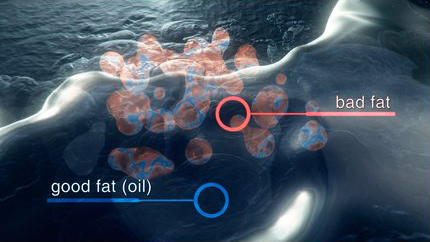
The next step of the Narconon drug rehab program is Mr. Hubbard’s innovative process, New Life Detoxification. This process helps flush out toxic residues stored in the body. Mr. Hubbard found that as drugs are initially broken up for elimination (called metabolizing), some residues can remain behind in the fatty tissues of the body. He developed a method of flushing out these toxins.
New Life Detoxification combines nutritional supplements that support detoxification, sweating in a low-heat sauna and moderate exercise. As residues are drawn out of the cells and then washed away, participants have reported brighter outlooks on life and a more positive mood. Many have said that the intense cocaine cravings they suffered disappeared. This is a very favorable start to their future sobriety.
I remember feeling all the drugs come out of my body. There was a bit of coke stuck in my throat. I had a piece come out of the skin on my upper lip as well. I thought I had ruined my hearing somehow because I could not hear out of my right ear. One day, my hearing was back! I also looked years younger!”
N.F., Narconon Graduate
What Sets Narconon Apart from Other Rehab Programs?
Nearly Sixty Years of Experience
The Narconon drug rehab network is one of the longest-running drug and alcohol rehabilitation programs in the world. Since its founding in 1966, Narconon has expanded from just a few centers to 31 facilities to service the growing international need for effective rehabilitation.
In addition to providing drug rehabilitation services, Narconon also provides public education materials and has reached hundreds of thousands of individuals with drug abuse prevention classes.
The success of our tens of thousands of graduates has shown that people can become totally drug free.
New Life Detoxification helps alleviate cravings. Then Life skills training and the rest of the steps of the Narconon program help participants gain the ability to be drug free.
An Innovative Rehab Methodology
For a rehab program to be effective, it must address the factors that trap each person in their addiction. Otherwise, relapse is far too likely. These three factors are:
- Physical cravings
- Depression
- Guilt
Coke addicts arriving at rehab are plagued by these three problems. If these are not resolved, it’s likely that a person completing rehab will continue to struggle and suffer. And unfortunately, in some cases, relapse to drug use. The Narconon rehab program is unique in that it addresses each of these effects of addiction.
The Narconon New Life Detoxification provides a solution for the intense physical cravings suffered by addicts. The synergistic effect of nutritional supplements, exercise to get the blood flowing and sweating in a low-temperature sauna help draw toxins out of the body. As the toxins leave, cravings and vivid drug-use dreams tend to depart as well. Energy and well-being also increase.
This regimen is followed by communication and confront exercises that develop the skill to face life squarely and without the need for chemical substances that act like a crutch. These exercises provide a major advancement in a person’s ability to face future responsibilities.
There must also be a relief from past guilt which goes a very long way toward providing hope for a bright future. To alleviate guilt, it’s necessary to confront the transgressions and harm committed while addicted (and before). Addicts generally know that they have harmed themselves, their families and their communities. Thousands of dollars (or much more) have been spent on cocaine or other drugs. For many, facing up to one’s responsibilities in the past and present can be the most challenging part of a person’s rehab.
With guidance and care, each person on the Narconon rehab program is supported as they acquire the skills they need to free themselves from this guilt. They learn how to conduct a complete and honest review of their past harmful actions, from and during drug use, across all aspects of their life and then how to create a detailed life plan for themselves to maintain a sober future. This plan includes repairing important relationships damaged by them and their addiction.
When you are seeking a drug rehab program for a loved one, learn about the Narconon drug rehab program first.
Narconon was literally the last stop on the block for me. I had tried anything and everything. This is the first program I have successfully completed and graduated from. I am healthy, happy and drug free.
“I have regained my sense of self. I am alive again and my future looks brighter than ever before.”
J.H., Narconon Graduate
Residential vs. Outpatient Cocaine Rehab
In this country, there are more than 14,000 drug rehab programs available. More than 80% of these facilities only provide outpatient services. While any drug treatment is obviously better than none, it is important to weigh the benefits of outpatient programs versus longer-term residential programs. Outpatient programs can be less costly as they allow patients to continue working or living with family. The drawback for many people in recovery is that departing the safety and structure of the treatment program every day can present many real challenges. A recovering addict is likely to run into drug dealers or drug-using pals. There are other triggers in their everyday life and environment that can create instability. If the pressure or temptation becomes too great, the individual knows just where to get more drugs.
Outpatient rehabs generally operate three to six hours each day, three or more days per week. In contrast, residential drug rehab offers around-the-clock support and supervision. That person with intense cravings, who has not yet gained the skills to make sober decisions, will benefit from this type of structured support.
Shifting one’s focus from using cocaine every day to being productive and responsible takes time. Support and guidance during this time of change is essential and such is available in a residential cocaine rehab.
Benefits of a Long-Term Residential Cocaine Rehab
A residential rehab offers the following benefits:
- Around the clock supervision, support and monitoring of activities and health
- A protective environment away from drug users and dealers
- No access to cocaine, alcohol or other drugs
- A fresh environment away from one’s usual triggers and upsets
- An opportunity to focus fully on learning sober living skills
- Being surrounded day and night by others who are making the same progress and improvements
When Narconon is the rehab program chosen for the individual addicted to cocaine, this holistic, residential program will help eliminate the intense cravings that causes relapse. In countries as varied as Denmark, Taiwan, Italy, Mexico, Nepal, South Africa, the United Kingdom and the United States, Narconon rehab centers are all residential rehab centers. When seeking drug rehab for a loved one, consider the challenges they face every day and if residential rehab is best for them.
How to Choose the Right Cocaine Rehab
You already know that choosing a cocaine rehab program for your loved one is a critically important decision. Your loved one’s life may depend on its success. You need a program that has a long and successful history of its graduates achieving productive, sober lives. Here’s what to ask before making your selection.
-
Is it a short-term program or a long-term program?
Many rehab programs have a term of about 30 days. When addiction has lasted for many months or years, it takes time to learn new sober living skills. Learning how to take responsibility for the harm one has done and overcoming guilt are changes that typically take more than several weeks. The Narconon program is typically completed in 10 to 12 weeks, although some people take longer. The final result is the only thing that is important—that the individual is now equipped with the ability and skills to create a new, sober life.
-
Does the program rely on a pharmaceutical solution for addiction?
Some cocaine rehab programs will prescribe other stimulants, such as dextroamphetamine or mixed amphetamine salts during treatment. Others may prescribe powerful mind-affecting drugs. The Narconon program relieves the intense cravings that can drive a person back to cocaine and then builds up each person’s skills to enable them to stay sober. Narconon does not rely on other drugs to relieve addiction. Narconon is a drug-free program.
-
Do the program’s principles include the concept that addiction is a “chronic, relapsing disease” or that an individual can overcome addiction for good?
When the first concept is drilled into a person, they may give up hope of ever overcoming their addiction. They may feel hopeless and this principle is one that robs them of their power to leave addiction behind them for good. This concept is not taught at Narconon. The entire focus is on relieving the guilt and depression and building real life skills to the point of actual sobriety. The tens of thousands of graduates of the Narconon program who have maintained a drug-free life, long-term, is testament to the fact that addiction can be ended.
-
Is there a method of relieving the intense cravings that can occur during recovery?
When a person struggles every day with cravings, they may be forced to never look any further than “one day at a time.” That’s the total challenge they deal with when cravings haunt them hourly. Early in the Narconon drug rehab program, the unique and evidence-based New Life Detoxification helps relieve cravings, giving each person an ability to focus on future sobriety.
-
Are life skills taught and then practiced during this program?
Are they specifically designed to address the skills needed by a person in recovery? The life skills component of the Narconon program are carefully crafted to provide the strengths a person in recovery needs most. Each person then applies these principles to improve their skills and prepare them for a sober life.
-
Is there nutritional support offered to improve detoxification and help heal the damage done by addiction?
A person who has spent time addicted to drugs has almost always lived an unhealthy life. With cocaine, it is common to eat little because the stimulant effect suppresses hunger. Significant weight loss and even malnutrition is common. Poor diets and the direct effects of cocaine contribute to deficiencies of vitamins A, B complex, C, D, and magnesium and other minerals. Each person arriving at a Narconon center receives generous nutritional support to ease withdrawal symptoms. Then during the New Life Detoxification, a strict nutritional regimen enhances the body’s ability to draw residual toxins out of the body so they can be washed away.
-
What outcome is expected from a drug rehab program?
This is a very important question to ask. Many drug rehab programs prescribe medications which are supposed to be taken for months or even years. Other programs may expect graduates to maintain steady attendance at group meetings for years. The intended outcome of the Narconon program is for a graduate to be drug-free with the strength and ability to make sober decisions in the future and free from the guilt, cravings and depression of the past.
-
What is considered success after the rehab program?
Many programs only track their clients during the program and not after they are back at home. The Narconon program monitors their recovery for up to two years after graduation. Every call to a graduate is designed to help them apply the life skills they learned during the program and execute their plan for restoring relationships and building a successful, sober life, at home.
-
What is Post-Acute Withdrawal Syndrome (PAWS) and how do you alleviate it?
Post-Acute Withdrawal Syndrome are physical and emotional symptoms that can persist for months after someone stops using cocaine These signs can include strong cravings, mood swings and depression, problems with memory, concentration and anxiety. These symptoms can increase the risk of relapse, even after conventional detox and rehab. The difference offered by the Narconon rehab program is that it addresses these symptoms and provides relief from such lingering problems. When this relief has been achieved, the future looks brighter and real recovery finally comes within reach.
Ask these questions of a Narconon representative and you can learn about this program that has helped tens of thousands of graduates maintain long-term sober lives.
We're here. We're ready to help you.
Call us at
1-800-737-5250
to get help now.
or learn more about the Narconon Drug Rehabilitation Program
When Jason came out of the Narconon program he was completely changed. He was back to the person that he was before he was an addict, which was really a good person. And I attribute this to the Narconon program because nothing else worked. Now he’s a normal person with a normal job and we have a great relationship.”
P.G.. Mother of Narconon Graduate
I am a firm believer that Narconon has the tools to stop addiction. The program works. I am proof. My husband is proof. My family is proof. One time I heard someone say, “There is no greater purpose on this planet to have power, unless it’s helping others.” That is the exact mission of Narconon and its staff.”
S.L., Narconon Graduate
The Difference Between Narconon and Other Drug Rehabs
The Narconon program is based on a unique and innovative principle: an addicted person does not have to believe that they will “always be an addict.” There is no belief that “addiction is an incurable disease.” Instead, at Narconon, we believe that it’s possible to overcome cravings and guilt and to learn to make sober or drug-free decisions.
Unlike many other drug rehabs, no drugs are administered as part of this rehab program. This unique, drug-free approach guides each person through the development of the abilities they need to resist negative influences in their environment.
When you need rehab for a loved one, learn about the Narconon program and how it offers a lasting solution to addiction.
How the Narconon Program Creates Lasting Sobriety
After years or even decades of addiction to cocaine, it is yet possible to create an ethical, productive and enjoyable life. There are four phases to the Narconon program:
- Drug-free withdrawal utilizing nutritional supplements plus exercises to orient a person to the present. Gentle physical techniques calm the aches and pains.
- New Life Detoxification, a process combining moderate exercise, sweating in a low-heat sauna and nutritional supplements that improve detoxification. This combination helps flush out old accumulated drug toxins.
- Objectives, exercises that help refocus a person on the present, freeing them from past guilt, pain and trauma.
- Life skills training to enable a person to safely navigate future challenges so they can rebuild trust and relationships with others and make sober decisions.
For nearly 60 years, the success of the Narconon program has been evidenced by the number of lives that have been saved and families that have been restored. If your loved one has already been through one or more rehab programs in the past, this may be the program you need. Learn more about the Narconon rehab program before you make your choice.
Call Us Now
1-800-737-5250For a confidential conversation to find out how to get you or a loved one
into cocaine addiction treatment. Or fill out the form below.
Narconon’s Comprehensive Drug-Free Cocaine Rehab Process
Now let’s take an in-depth look at how the Narconon program frees a person from their past addiction and launches them into long-term sobriety. Because no substitute drugs like topiramate or dexamphetamine are prescribed to those recovering from cocaine addiction, each graduate can envision a drug-free future. Each person completes this program with the life skills they need to maintain sobriety and a plan in hand for creating a new, sober life.
The steps below guide someone who has been trapped by cocaine addiction to a new, hopeful and drug-free life. As a preliminary step, each arrival at a Narconon center is first assessed by a medical doctor and given clearance to do the Narconon program.
Some people may need the additional support of a medical detox before starting this program. If recommended, the medical detox is done at a separate medically-supervised facility.
Once a medical doctor’s clearance is provided, these are the steps they will undergo:
1. Drug-free withdrawal: From the very first hour, nutritional supplements like B vitamins, calcium and magnesium are given and begin to calm the anxiety and mood swings that accompany cocaine withdrawal. Special exercises help them relax and orient themselves to their new, safe surroundings. The staff track vital signs, and quantities of food, sleep and water. Nutritional supplements help heal the damage done by cocaine and calm withdrawal symptoms. When the person is relieved of the withdrawal symptoms and is sleeping and eating well they will move onto the next step.
I started with a drug-free withdrawal, which was completely unlike any other rehab I had been in. They let me rest, take vitamins and start to feel strong in my own time.”
K.N., Narconon Graduate
2. New Life Detoxification: When the drug-free withdrawal is complete, the New Life Detoxification can begin. The years of cocaine use leave a burden of residual toxins in each person’s body.
This step was designed to eliminate toxic residues from the body and help eliminate physical cravings. Author and humanitarian L. Ron Hubbard’s research showed that drug residues can remain trapped in the body’s fatty tissues and may be reactivated even years after the person has ceased taking drugs. This step consists of running to stimulate circulation, spending time sweating in a low-heat, dry sauna, and proper nutrition including a planned regimen of vitamins, minerals and oils in exact quantities. The purpose of the New Life Detoxification is to help flush out of the body the drug residues and eliminate their negative effects, including drug cravings. This is a turning point that gives a person their best chance at lasting sobriety.
I tried a couple of state-funded rehabs that taught a lot of valuable statistics about drugs and alcohol. These programs also included an assortment of pharmaceutical drugs, that affected my mood and personality, and overall I felt drugged and foggy...
“At Narconon I regained my health through the sauna program. There is no better way to get sober than sweating out the toxic residues left over from drugs and alcohol.”
J.J., Narconon Graduate
3. The Objectives: The perceptions of an addicted person are sometimes not ‘real.’ To a greater or lesser extent, they have lost touch with the present and often do not perceive their need for help. The Objectives are an innovative method of restoring the ability to perceive the present environment. Along with this ability comes greater self-control. As a person's focus comes out of the past and into the present, disturbing memories and pain fade away. The person can now view the world around him clearly, often for the first time in years.
The Objectives helped me the most in the program. It cleared my mind the way sauna cleared my body. It brought me back to present time and refreshed me, mentally. Towards the end, I realized that for the first time since I can remember, I didn’t hate and despise everything about myself and my life. My confidence was there for the first time in my life, as well as feeling happy, genuinely, without having to paint a smile on my face in order to avoid people asking what was wrong.”
D.T., Narconon Graduate
4. Life Skills Training: By now, the person has experienced deep relief and a renewed ability to live in the present. They are ready to complete a personal assessment, recover their integrity, and learn to deal with negative influences and day-to-day challenges. Step by step, the life skills training provides the education they need. The practical steps that accompany these classes help them begin changing their lives. Gradually, each person gets these new skills under their belt—skills that will be invaluable after they go home. There are three Life Skills courses:
- Overcoming Ups & Downs in Life Course: This is where each person learns to identify negative influences that might seek to derail their sobriety. Drug dealers, drug-using friends and other troublesome individuals can finally be understood and confronted for what they are. It becomes much easier to choose helpful friends and associates in the future.
- Personal Values Course: The person learns how personal values are lost and how to restore them. They come to recognize their actual obligations. They learn how to take responsibility for the past. This process can provide relief from past trauma and guilt, enabling them to look forward to a fresh, new life. The person learns to take responsibility for their drug use by resolving problems without compromising their own personal integrity.
- Changing Conditions in Life Course: Because drug and alcohol use often stems from an inability to deal with challenging situations, it is vital that those in recovery learn constructive problem-solving skills. On this course, individuals learn that any situation may be resolved without compromising their personal integrity. The course further teaches them effective formulas to apply to life’s situations that enable them to make the right decisions about their survival and resolve problems and conflicts.
After the Personal Values Course, I became as steady as a rock. Powered from within. Instead of my cup being half empty or half full, it just felt completely full. Full of confidence, self-love, structure, morals, and integrity. I don’t ever want to step back into my old life.”
K.S., Narconon Graduate
Graduate Aftercare: Another essential aspect of the Narconon rehab program is up to two years of graduate aftercare. The Graduate Officer at each Narconon facility contacts program graduates regularly to ensure they are following their plans for returning to their home and work and utilizing the life skills they learned.
Frequently Asked Questions about Cocaine Rehab and Recovery
Do you have questions about cocaine rehab? The most frequently-asked questions are answered here.
How Addictive is Cocaine?
Cocaine is extremely addictive as it hijacks the brain's natural pleasure circuits. When used, cocaine floods the brain with dopamine - the chemical responsible for feelings of pleasure and reward. This artificial surge creates such intense feelings of euphoria that the brain begins prioritizing cocaine use above everything else, including basic survival needs. A psychological and physical dependence can form almost immediately, with some people becoming addicted after their very first use.
Cocaine highs are generally short, about ½ hour, so the user generally wants more after the effects wear off. This can lead to overuse and possible overdose.
Can People Overdose on Cocaine?
Yes, they can? Recent statistics show 26% of all drug overdose deaths involved cocaine.
Signs of a cocaine overdose include chest pain, rapid or irregular heartbeat, difficulty breathing, high body temperature, excessive sweating, nausea and vomiting, confusion, agitation, and seizures. Users may also experience severe headaches, tremors, and loss of consciousness. In severe cases, overdose can lead to heart attack, stroke, or complete respiratory failure. Cocaine overdoses can be fatal and require immediate medical attention. If someone shows signs of overdose, call emergency services immediately - every minute counts in preventing permanent damage or death.
Can Cocaine Kill You?
Yes, cocaine can kill you. Cocaine is a dangerous drug that can cause fatal overdoses even on the first use. It can trigger sudden cardiac arrest, heart attacks, strokes, seizures, and respiratory failure that can lead to death within minutes. The risk of fatal overdose increases with regular use as people develop tolerance and use larger, more dangerous amounts. Mixing cocaine with other substances, especially alcohol or opioids, significantly increases the risk of death.
What Does Cocaine Do to Your Body and Brain?
Cocaine has severe negative health effects on both the body and brain. Physically, it can cause irregular heartbeat, enlarged heart, high blood pressure, damaged blood vessels throughout the body, and severe respiratory issues including lung damage. Users may also experience frequent nosebleeds, chronic runny nose, and difficulty swallowing from snorting. Cocaine disrupts normal dopamine function, damages neural pathways responsible for decision-making and impulse control, and can lead to cognitive impairment, severe memory problems, and significantly increased risk of stroke. Long-term use can cause permanent, irreversible damage to both cardiovascular and nervous systems, with life-altering results.
What is the Best Way to Quit Using Cocaine?
The most effective way to quit using cocaine is through professional rehabilitation treatment at a facility like Narconon. Professional treatment provides therapeutic support to address the underlying causes of addiction, structured programs that teach essential life skills and coping strategies, and a supportive environment focused on long-term recovery. Treatment helps individuals understand their addiction patterns, develop healthy habits to replace drug use, and build the tools necessary to maintain sobriety in everyday life. At Narconon, we educate a person so they can make sane decisions about their future survival.
What is the Difference Between Cocaine and Crack Cocaine?
Crack cocaine is a smokeable form of cocaine that's been chemically altered with baking soda or ammonia. While powder cocaine is typically snorted, crack is smoked, leading to faster absorption and more intense highs. Crack is generally considered more addictive due to its rapid onset and shorter duration, which encourages frequent use.
What are the Symptoms of Cocaine Withdrawal?
Cocaine withdrawal symptoms include intense cravings, depression, anxiety, fatigue, increased appetite, sleep disturbances, and mood swings. Users may also experience difficulty concentrating, irritability, restlessness, and physical discomfort such as headaches and muscle aches. Some people report feeling emotionally numb or experiencing vivid, unpleasant dreams. The severity and duration of symptoms can vary based on how long and how heavily someone used cocaine. These symptoms can be severe and typically require professional support to manage safely and effectively.
How Long Does It Take to Detox from Cocaine?
Cocaine detox typically takes 7-10 days for the acute physical withdrawal phase, though symptoms can persist much longer. Many people also experience post-acute withdrawal syndrome (PAWS), which can include ongoing mood swings, anxiety, sleep problems, difficulty concentrating, and periodic intense cravings that can last for weeks or months after initial detox. The timeline varies based on factors like frequency of use, amount used, and individual health factors.
At Narconon after the withdrawal phase is complete the individual does the New Life Detoxification consisting of a complete vitamin regimen to help rebuild the body from the ravages of drugs, exercise and sweating in a sauna to help expunge drug residuals that are still stored in the body.
How to tell if you or someone you care about is addicted to cocaine.
When someone is addicted to cocaine, crack cocaine or any drug, they typically hide their drug use from those who might try to intervene. The truth is that they can’t control their need for drugs, even if their use is damaging their health and relationships with family and friends. You will have to pay attention to their behavior. Do they seem to have secrets? Is lots of money missing? Are they paying less attention to their family, work or responsibilities? When a stimulant like cocaine is being used, you may see them being euphoric and energetic one day and crashed out and sleeping the next. They may eat and drink little and manifest paranoia and mood swings.
If you’re the one using drugs, are you unable to control or reduce your drug usage? Has the quality of your life deteriorated recently? Are you having trouble at work or in school? Do you find yourself arranging your life so you can acquire and use drugs? These are definite signs that your drug use has gotten out of control. Get help immediately!
What is the difference between cocaine tolerance and addiction?
Once a person has been using cocaine for a while, they begin to need bigger doses to get the high they are looking for. That is cocaine tolerance. Of course, with bigger doses of cocaine, there is greater physical and mental harm. When a person’s tolerance builds, they will suffer an increasing number of cocaine withdrawal symptoms if they quit the drug. They will also suffer a compulsion to continue to use cocaine despite the harm being caused. Tolerance quickly turns into an addiction and the consequences of drug use, the need to get more and a disinterest in other parts of life take over.
Why does a cocaine addict need to go to rehab?
As soon as a cocaine addict walks into a residential drug rehab, they become separated from the drug dealers and drug users they encountered every day. They have a chance to focus on their recovery and they have around-the-clock support. Until the cravings reduce and they gain the skills to create a sober life, they are in a protective and encouraging environment. Without this help, addiction can continue to drive them back to cocaine, again and again.
Can drug rehab really cure addiction to cocaine?
Many rehabilitation professionals claim that addiction is a lifelong curse, that every addicted person will “always be an addict.” After nearly sixty years of experience, tens of thousands of Narconon graduates have shown that addiction can be left in the past. The road forward can be productive, enjoyable and fully sober. There is definitely hope of recovery from addiction for each person addicted to cocaine.
As a family member, what is your role in your loved one’s recovery?
You will play a very important part in your loved one’s recovery. Your first contribution, of course, is helping your loved one arrive in rehab at the very first moment possible. Then you would provide encouragement to your loved one to ensure they complete the entire program. The compulsions associated with cocaine addiction could tempt them to make excuses to try to escape their responsibility but with the help of your love and persistence they can complete rehab. When your loved one graduates, you can help them re-enter their home and work lives gradually, with support from you and other family and friends. This assistance is vital to the success of their recovery.
How long does cocaine rehab take?
The Narconon cocaine rehab program typically takes 10 to 12 weeks to complete. Some people take longer to acquire the sober living skills that can keep them safe after they return home. If they do take longer, there is no additional charge to complete the Narconon rehab program.
How can you choose the best cocaine rehab?
First of all, your surest chance of success is choosing a residential cocaine rehab where your loved one has support and encouragement around the clock. Second, choosing a long-term program gives your loved one enough time to recover from an addictive mindset and build sober living skills. Third, look for a program that has a method of relieving the intense cravings that plague the person addicted to cocaine. Finally, make sure that the program teaches the essential life skills the individual will need to make sober choices in the future. You can find all these features and a wholly drug-free program at a Narconon drug rehab.
How can you help prevent a relapse when cocaine rehab is done?
For most people completing rehab, it takes some time for them to fully reintegrate into their former lives. They will need to focus on restoring relationships and carefully making the new decisions they are faced with. Many people will need new sober friends or to repair relationships with the friends they had before cocaine addiction took over. They often need to avoid parts of town they frequented while using drugs, and they definitely need to shun those who are using drugs. You can help them by supporting them as they go through this reintegration process. You can also encourage them to use the life skills they learned in rehab. These are essential to keep them safe as they meet life’s challenges.
Does health insurance typically cover the cost of the Narconon drug rehab?
The flat rate fee structure allows a person to continue on the Narconon rehab program until they have fully and thoroughly completed every step. There are no additional fees if a person takes longer than average to gain the skills they need. Narconon accepts many PPO (Preferred Provider Organization) insurance policies. Contact Narconon and talk to an experienced and caring staff member who will work with you to find a financial solution for your loved one.
How to Take the First Step in Cocaine Recovery?
It is very simple. Talk to a Narconon representative and get all your questions answered. Learn more about this innovative program that has helped tens of thousands of people recover from addiction to cocaine and many other drugs.
This program is different from a typical 12-Step program or a rehab that seeks to prescribe substitute medications. Narconon does not hold the belief—“once an addict, always an addict.” Here, the goal is for each person to go home equipped with the skills to remain drug-free. By eliminating cravings through the New Life Detoxification and teaching strong sober living skills, the Narconon program provides a successful and proven route to stable, drug-free and lasting sobriety.
Upon arriving at Narconon center, I was immediately relieved and appreciative of the welcome I received. The food was amazing and many of the staff knew exactly what I was going through and that was very comforting. After only a couple of days something clicked, and I knew I was going to stay and complete this program.”
R.T.A., Narconon Graduate
Get Support and Access to Valuable Resources
Do you need more information on Narconon? Or are you seeking a better understanding of cocaine, drugs and addiction? Find what you need in our guide to international locations, list of ways to contact us and much more.
Narconon's global network of rehabilitation centers provides effective cocaine addiction treatment in locations across North America, South America, Europe, South Africa, and Asia. Our dedicated facilities offer the complete Narconon program in supportive, residential environments specifically designed for recovery.
Additional Resources
- Complete Program Information
- Narconon Blog: Recovery Stories and Insights
- Signs & Symptoms of Cocaine Addiction
- Support & Resources
- Long-term recovery planning: what is important to have in place.
- Guidance of what to do when dealing with addiction.
- Cocaine Information
Take the first step today. A drug-free life is possible, and we're here to help you achieve it.
Sources:
- “GameChangers 2024: Global Cocaine Networks and Trump 2.” Insight Crime, 2025. InSight Crime
- “Provisional Drug Overdose Death Counts.” Centers for Disease Control and Prevention, 2025. CDC
- “Cocaine.” National Institute on Drug Abuse, 2024. NIDA
- “Prevalence of fentanyl in methamphetamine and cocaine samples collected by community-based drug checking services.” National Library of Medicine, 2023. NLM
- “Cocaine.” MedlinePlus, 2024. MedlinePlus
- “Percentage of U.S. adults that used cocaine within the past year in 2021 and 2022, by state.” Statista, 2025. Statista
- “Awareness that cocaine can contain fentanyl among nightclub and festival attendees in New York City, 2018–2022.” National Library of Medicine, 2024. NLM
- “Cardiovascular Risks of Simultaneous Use of Alcohol and Cocaine—A Systematic Review.” National Library of Medicine, 2024. NLM
- “Polydrug use among club-going young adults recruited through time-space sampling.” National Library of Medicine, 2009. NLM
- “Marijuana and cocaine interactions in humans: cardiovascular consequences.” National Library of Medicine, 1987. NLM
- “America's Poison Centers Warns Public about the Dangers of Pink Cocaine.” America’s Poison Centers, 2024. America’s Poison Centers
- “What is Pink Cocaine?” Drug Enforcement Administration, undated. DEA
- “What Is Pink Cocaine? The Dark Reality behind a Colorful Name.” ACS Publications, 2024. ACS Publications
- “Cocaine.” National Institute on Drug Abuse, 2024. NIDA
- “Cocaine-induced psychosis.” National Library of Medicine, 1991. NLM
- “Cocaine withdrawal.” MedlinePlus, 2023. MedlinePlus
- “Prevalence of suicide in cocaine users accessing health services: a systematic review and meta-analysis.” National Library of Medicine, 2022. NLM
- “Cocaine-induced Type-A Aortic Dissection Extending to the Common Iliac Arteries.” National Library of Medicine, 2018. NLM
- “Cocaine.” National Institute of Drug Abuse, 2024. NIDA
- “The Emerging Role of Toxic Adulterants in Street Drugs in the US Illicit Opioid Crisis.” National Library of Medicine, 2019. NLM
- “Anatomy of the Drug Issue: How, After Years, It Erupted.” New York Times, 1986. NYTimes
- “Cocaine Caused Bias’ Death, Autopsy Reveals : Dose Said to Trigger Heart Failure.” Los Angeles Times, 1986. LA Times
- “Disulfiram tablets.” Cleveland Clinic, 2025. Cleveland Clinic
- “Modafinil.” MedlinePlus, 2025. MedlinePlus
- “National Substance Use and Mental Health Services Survey.” Substance Abuse and Mental Health Services Administration, 2023. SAMHSA
- “Nutritional Considerations and Substance Use Disorders.” UNC School of Nursing, undated. UNC School of Nursing