Clinically Reviewed

Cocaine’s Dark Side: Long-Term Mental Health Consequences

ON THIS PAGE

Woman and man sitting on couches, man in background blurred, woman showing signs of stress

People who use cocaine are often chasing the euphoric, energizing buzz the drug provides. They might also crave the confidence and reduced inhibitions that come with it. But what they don’t realize is that cocaine can lead to some very serious and long-lasting mental health issues. The longer and heavier the use, the more intense and severe these problems become.

How Cocaine Disrupts the Brain

Cocaine is an incredibly potent stimulant that can wreak havoc on the brain. It interferes with the normal balance of neurotransmitters—those chemicals that regulate things like mood, memory, and decision-making. It also disrupts the entire endocrine system, which controls things like stress responses, energy, and emotions. When someone becomes addicted to cocaine, the mental effects can be severe and persistent. Some of the mental health problems that arise from prolonged use include:

  • Depression
  • Anxiety
  • Paranoia
  • Psychosis
  • Cognitive problems (like difficulty focusing or remembering)
  • Mood swings
  • Intense cravings
  • Anhedonia (the inability to feel pleasure)
  • Dementia and permanent cognitive decline
  • Impaired memory
  • Hallucinations
  • Increased violence and aggression (especially with crack cocaine)
  • Social or functional disabilities
  • Learning disabilities
  • Worsening of existing mental health conditions
  • Bingeing on Cocaine: The Most Extreme Mental Effects

    Close up of man holding his head

    Cocaine, along with other strong stimulants like meth, is commonly used during drug binges—when the user consumes large amounts of the drug over a prolonged period without stopping. These binges can last for hours or days, during which the user becomes highly agitated, restless, and paranoid. They may even experience full-blown paranoid psychosis and auditory hallucinations. When the binge ends, the person typically crashes, sleeping for hours to recover.

    During a binge, cocaine users often suffer from intense cravings, which push them to keep using. Their impulse control goes out the window, and their ability to make rational decisions is severely impaired. It’s like the drug takes over their mind, pushing them to use more and more until their body physically can’t take it anymore.

    How Cocaine Affects the Brain's Chemistry

    When someone first uses cocaine, it boosts two essential neurotransmitters in the brain: norepinephrine and serotonin. These chemicals play important roles in things like alertness, mood regulation, and sleep. But over time, repeated cocaine use depletes these neurotransmitters, leading to feelings of exhaustion and depression. The user may binge in an attempt to get those chemicals back up, but all it really does is drain them even more. The result? A vicious cycle of addiction, exhaustion, and emotional breakdowns.

    How Long Do These Mental Effects Last?

    The good news is that once a person stops using cocaine, many of these mental health issues start to fade—though it can take time. Symptoms like depression, anxiety, and anhedonia can persist for weeks or even months after quitting. It’s not uncommon for it to take several months of sobriety for the brain to fully recover and for normal chemical balances to be restored. In most rehab programs, it’s expected that full recovery will take time and patience.

    A Better Path to Recovery: Narconon’s Holistic Approach

    Assists in Drug Withdrawal

    The Narconon program offers a more comprehensive, holistic approach to cocaine recovery. Instead of relying on drugs to ease withdrawal symptoms, Narconon focuses on natural, drug-free methods to support the healing process. The program addresses not just the addiction itself, but the underlying factors that led to it. This method has proven successful for 60 years—without the need for pharmaceuticals.

    Before starting, everyone receives a full medical assessment to ensure it's safe to begin drug-free withdrawal. If medical detox is needed, that’s handled separately before entering the program.

    From the moment a person enters Narconon rehab, they’re provided with specialized support to heal from the damage done by cocaine.

    During the drug-free withdrawal, nutritional supplements help reduce the anxiety and depression associated with cocaine’s effects. Gentle physical assists and calming exercises help orient the person to the present moment. Gradually, their outlook on life becomes more hopeful, and the weight of addiction starts to lift.

    The New Life Detoxification: Breaking Cocaine’s Grip

    Once withdrawal is complete, the next step in the Narconon program is the New Life Detoxification. This unique process involves:

    • Moderate exercise
    • Time spent in a sauna to sweat out toxins
    • A carefully structured nutritional regimen to aid the detox process

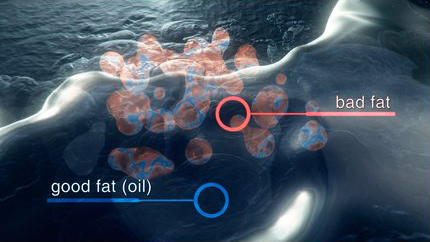
    Cocaine and other drugs leave behind toxic residues in the body, particularly in fatty tissues. These residues can remain for years, affecting mood, cravings, and overall mental health. By eliminating these toxins, the New Life Detox helps the person regain mental clarity and break free from those persistent cravings.

    Restoring the Ability to Live in the Present

    One of the biggest challenges of addiction recovery is letting go of the past. Addiction often comes with pain, trauma, and unresolved emotional issues. At Narconon, the next phase focuses on helping individuals live in the present—free from the weight of the past.

    Through a series of carefully guided exercises, individuals learn how to let go of negative memories and start enjoying the present moment again. This is an important step in rebuilding a healthier, more fulfilling life.

    The Next Step: Learning Sober Living Skills

    The final phase of the Narconon program focuses on life skills training. These skills are essential for staying sober long-term. The three main courses include:

    • Overcoming Ups and Downs in Life: This course teaches individuals how to recognize and deal with negative influences, such as negative people or situations that might threaten their sobriety.
    • Personal Values: Addiction often erodes a person’s values and integrity. This course helps individuals recover their lost values, teaching them how to stay honest, ethical, and sober in the future.
    • Changing Conditions in Life: Life will continue to present challenges, so this course provides tools for resolving problems in relationships, work, or other areas of life, ensuring that individuals don’t get overwhelmed by setbacks.
    Narconon intake

    We're here. We're ready to help you.
    Call us at 1-800-737-5250 to get help now.
    or learn more about the Narconon Drug Rehabilitation Program

    Why Narconon Is Different

    Unlike traditional rehab programs, Narconon doesn’t rely on 12-step programs, medications, or group therapy. Instead, Narconon is focused on helping individuals fully recover and regain control over their lives. No one is told they are "always going to be an addict" or that they are "powerless." The emphasis is on personal empowerment and giving individuals the tools they need to live a drug-free life.

    For families who have tried other rehab programs and found them ineffective, Narconon offers an alternative that works. Since its founding in 1966, Narconon has helped tens of thousands of people reclaim their lives from addiction. If someone you care about is struggling with cocaine addiction, reach out to Narconon today to learn how their proven approach can help.

    Sources:
    • “Cocaine and Psychiatric Symptoms.” National Library of Medicine, 1999. NLM.
    • “Relationship between cocaine use and mental health problems in a sample of European cocaine powder or crack users.” National Library of Medicine, 2005. NLM.
    • “Behavioral alterations induced by an escalating dose-binge pattern of cocaine administration.” ScienceDirect, 1997. ScienceDirect.
    • “Elevated cortisol and learning and memory deficits in cocaine dependent individuals.” National Library of Medicine, 2009. NLM.
    • “Cocaine Destroys Gray Matter Brain Cells and Accelerates Brain Aging.” National Library of Medicine, 2023. NLM.
    • “Research Report Series on Cocaine.” U.S. Government Publishing Office, 2010. USGovInfo.
    • Mood disturbances: “Recovering from Cocaine: Insights from Clinical and Preclinical Investigations.” National Library of Medicine, 2013. NLM.