Clinically Reviewed

Why Cocaine Use Devastates Fertility and Infant Development

ON THIS PAGE

Woman looking at her baby in a hospital basinet - crying

Pregnancy is a time when a woman’s body and mind should be focused on health and the well-being of her growing baby. Unfortunately, cocaine is one of the worst substances a woman can use during this critical period—and it doesn’t just harm the mother. Cocaine use can have severe, lasting consequences for both fertility and infant development, and it can affect both mothers and fathers. For the sake of future generations, it’s crucial for anyone struggling with cocaine addiction to seek help and break free from the drug as soon as possible.

Cocaine’s Impact on a Woman’s Ability to Have Babies

Cocaine has a powerful effect on a woman’s reproductive system. It interferes with the blood flow to vital reproductive organs and disrupts the production of key hormones necessary for healthy menstruation and ovulation. As a result, women who use cocaine may struggle to conceive. The drug can also damage the fallopian tubes, the pathways through which eggs travel to be fertilized. Over time, this can result in lower pregnancy rates and, in some cases, permanent fertility issues—especially if the drug is used at a young age.

Cocaine’s Impact on a Man’s Ability to Father Children

While cocaine is often seen as a “party drug” that enhances sexual performance, the reality is that it disrupts a man’s hormonal balance, which is essential for normal sexual function. Cocaine damages sperm production, and some sperm cells even die after exposure. This not only decreases the quality and quantity of sperm but can also affect the testicular tissue itself, further compromising reproductive health. In some cases, cocaine use in men can contribute to lower birth weights in their children and may even affect DNA in ways that could impact future generations.

The Dangers Cocaine Poses to Pregnant Women and Their Babies

Cocaine is a powerful stimulant that severely constricts blood vessels, limiting blood flow and oxygen delivery throughout the body—including to the uterus and placenta. This restricted blood flow can lead to a range of dangerous complications for both the mother and baby. Cocaine use during pregnancy can cause:

  • Miscarriage
  • Low birth weight
  • Premature birth
  • Placental issues, like premature separation of the placenta or improper placental placement
  • Oxygen deprivation for the fetus
  • Reduced amniotic fluid
  • Placental death
  • Stillbirth or infant death shortly after birth

Some of these complications, like eclampsia, placental separation, and improper placental positioning, can be life-threatening for both the mother and baby. Cocaine use increases the risk of pre-eclampsia (a dangerous rise in blood pressure during pregnancy), which can lead to eclampsia, a life-threatening condition for both mother and child.

Lasting Damage for Babies Exposed to Cocaine

Black and white photo of a baby crying

Cocaine easily crosses the placenta and enters the bloodstream of the developing baby, exposing the fetus to harmful toxins that can attack the brain, nervous system, and organs. Babies born to mothers who use cocaine during pregnancy may experience a range of birth defects and developmental problems. These can include:

  • Neonatal Abstinence Syndrome (NAS), where babies experience withdrawal-like symptoms after birth, such as:
    • Tremors
    • Irritability
    • Trouble sleeping
    • Excessive crying
  • Other possible developmental issues for cocaine-exposed babies include:
    • Abnormally small heads (microcephaly)
    • Hyperactivity
    • Behavioral problems
    • Learning difficulties
    • Speech and language delays
    • Vision and hearing impairments
    • Cognitive problems (like issues with memory, impulse control, and focus)
    • Gastroschisis, a condition where the intestines protrude outside the abdomen
    • Sudden Infant Death Syndrome (SIDS)

The Dangers of Cocaine Use While Breastfeeding

Cocaine can also be passed through breast milk, putting nursing infants at risk. Since a baby’s body isn’t fully capable of processing and eliminating cocaine, even small amounts can build up and cause intoxication. Cocaine exposure through breastfeeding can have serious impacts on an infant's development, including:

  • Seizures
  • Rapid heart rate
  • Increased blood pressure
  • Irritability
  • Poor feeding
  • Abnormal muscle tone

When breastfeeding stops, babies may experience withdrawal symptoms, including irritability, poor feeding, and difficulty adjusting to the sudden lack of the drug in their system.

Cocaine Use and Parental Neglect

Cocaine addiction also increases the likelihood of parental neglect and abuse. For parents struggling with addiction, their obsession with obtaining more cocaine can cause them to neglect their children's needs—whether it's failing to provide proper nutrition, a safe environment, or attention. Some mothers addicted to cocaine may experience anxiety, detachment from their babies, or fail to form healthy bonds. This neglect can have long-term consequences for a child’s emotional and developmental health.

The Urgent Need for Drug Rehab

For the health of both current and future generations, it’s crucial that anyone addicted to cocaine gets help as soon as possible. Whether it’s a mother or a father, addiction can have devastating effects on a child’s development, and the sooner a person enters a rehab program, the better. Family members can play a vital role in encouraging their loved ones to seek help, ensuring they get into an effective, long-term rehab program.

Withdrawing from Cocaine at Narconon

Narconon Withdrawal

The Narconon program offers a more comprehensive, holistic approach to cocaine recovery. Instead of relying on drugs to ease withdrawal symptoms, Narconon focuses on natural, drug-free methods to support the healing process. The program addresses not just the addiction itself, but the underlying factors that led to it. This method has proven successful for nearly 60 years—without the need for pharmaceuticals.

Before starting at Narconon, everyone receives a full medical assessment to ensure it's safe to begin drug-free withdrawal. If medical detox is needed, that’s handled separately at a medical detox facility before entering the Narconon program.

In many rehab centers, individuals withdrawing from cocaine often experience extreme fatigue, depression, irritability, and mood swings. Some also go through Post-Acute Withdrawal Syndrome (PAWS), which can last for months and affect emotional stability and cognitive function long after they’ve stopped using cocaine.

At Narconon, however, the drug-free withdrawal is managed with close support, making it a more manageable and less traumatic process. Key elements of the Narconon approach include:

  • Nutritional supplementation to support physical recovery
  • Gentle physical assists to ease the body’s response to withdrawal
  • Orientation exercises to help individuals leave the past behind and focus on their future

Many people report that their Narconon withdrawal experience was one of the most tolerable they’ve had, thanks to the non-drug approach.

New Life Detoxification: Eliminating Cocaine Residues

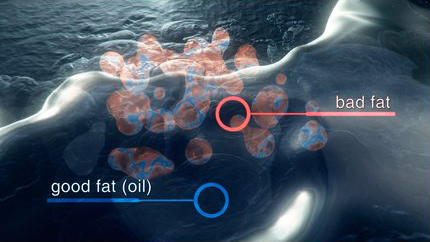
Cocaine is a lipophilic (fat-loving) drug, which means it can remain in the body’s fat cells long after use. These residues can continue to affect mood, cravings, and overall emotional well-being. Narconon’s New Life Detoxification program targets these residues by combining:

  • Moderate exercise
  • Time spent in a sauna
  • A carefully planned nutritional supplement regimen

This detox process helps remove the lingering toxins, eliminating cravings and emotional struggles while promoting a clearer, more focused mind.

Learning to Live in the Present Again

Addiction often comes with a lot of pain, guilt, and trauma. To help people move forward, Narconon uses a series of exercises known as the Objectives. These exercises help individuals leave their painful past behind and regain control over their actions, thoughts, and decisions. The goal is to help them reconnect with the present and take responsibility for their future, free from the grip of addiction.

Building Sober Living Skills for Lasting Sobriety

Life after rehab presents its own set of challenges, and staying sober requires strong life skills. Narconon’s program includes three critical courses to help individuals handle life’s ups and downs and stay on a sober path:

  • Overcoming Ups and Downs in Life: Learning how to deal with negative influences and avoid toxic relationships.
  • Personal Values: Restoring integrity and teaching individuals to make honest, ethical choices in their lives.
  • Changing Conditions in Life: Providing tools to overcome obstacles and rebuild damaged relationships, work, or school situations.
Narconon intake

We're here. We're ready to help you.
Call us at 1-800-737-5250 to get help now.
or learn more about the Narconon Drug Rehabilitation Program

What Makes Narconon Different?

What sets Narconon apart is its drug-free approach to rehab. Unlike traditional programs that rely on medications or 12-step models, Narconon focuses on providing holistic support to help individuals break free from addiction. Here, addiction is seen as something that can be achieved, not a lifelong curse or disease. Instead of being told they are powerless, individuals are empowered to regain control and build the skills they need for lasting recovery.

For nearly 60 years, Narconon has been helping people break free from addiction to cocaine, heroin, alcohol, and other drugs. If someone you care about is struggling with cocaine, reach out to Narconon today and learn how this proven program can help them live a healthy, sober life.

Sources:
  • “Low-Dose Follicular-Phase Cocaine Administration Disrupts Menstrual and Ovarian Cyclicity in Rhesus Monkeys.” Sage Journals, 1999. Sage Journals.
  • “Cocaine Effects on Reproductive Behavior and Fertility: An Overview.” National Library of Medicine, 2023. NLM.
  • “Cocaine alters the mouse testicular epigenome with direct impact on histone acetylation and DNA methylation marks.” ScienceDirect, 2018.