Health Impacts and Hazards of Cocaine Use

ON THIS PAGE

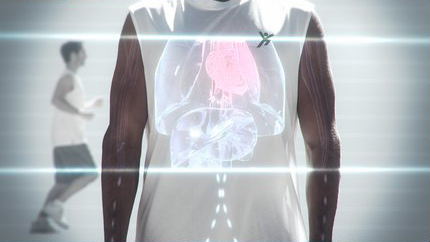
heart with ekg image

Cocaine is a very strong stimulant, and thus places heavy stress on the heart and vascular system. Chronic cocaine use can lead to hardened arteries, a factor in the death of Whitney Houston. Cocaine use can also create enough stress to cause seizures and cardiac arrest, as it did for young basketball player Len Bias, the night after he was recruited by the Boston Celtics. Before he died in 1986, the country was largely unaware that cocaine abuse could result in death.

Each year, about a half million people arrive at Emergency Rooms to get help for problems with cocaine abuse. More than 160,000 people go to rehab to get help for cocaine addiction. Since only about one in ten people get rehab help who need it, this indicates that 1.6 million people are probably addicted to the drug. More than a thousand school-aged children need rehab for cocaine abuse each year.

Cocaine Health Risks: Enlarged heart

The abuse of cocaine is associated with stress on a person’s heart and permanent heart damage. Why? Because cocaine is a very strong stimulant that causes the heart to speed up. It also causes all the blood vessels to constrict or tighten. This combination stresses the heart that is trying to pump blood through the constricted arteries and veins.

Enlarged Heart

The effect of repeated use of cocaine is an enlarged heart that is less able to pump blood efficiently. The technical term for this condition is cardiac hypertrophy. In some cases, this harm may be able to be reversed but in others, it is a permanent condition.

What Happens When the Heart Becomes Enlarged?

The heart is composed of muscle fibers that contract to push blood out the heart and through the body.

As the muscle fibers thicken, they become less flexible and less efficient. The lowered efficiency means that the blood and oxygen supply to the cocaine user’s heart can be reduced or even blocked. This can lead to an abnormal rhythm or even a heart attack.

Any cocaine user may experience chest pain. The amount of cocaine used or the frequency of use are not related to the likelihood of heart problems occurring.

Heart damage or the reduction of blood flow to the heart can result in death, even for a new cocaine abuser. This possibility was never realized by cocaine users until the death of basketball star Len Bias in 1986. Even though Bias had no signs of prior heart problems and was a healthy athlete, a normal dose of cocaine caused a cardiac arrest.

According to a 2006 medical journal, most cocaine-related deaths occur in young people between the ages of 19 and 29. As many as 47% of all chronic cocaine users may have enlarged hearts, many without being aware of it.

If you are using cocaine, you should be aware of the threat to your heart that can result.

Cocaine Health Risks: Brain damage

A cocaine user is becomes far more likely to suffer damage to his brain due to his drug use, although he will probably not know about the effects until the damage becomes severe. Until that time, there can be changes in the brain that are “silent,” in other words, not showing symptoms while the problem advances.

Narrowed Blood Vessels, Slow Blood Flow

Brain

Scans of the brains of cocaine users compared with the brains of those who did not use cocaine show that arteries and veins in the brain become narrow after use of cocaine. This is because of the well-known vascular constriction associated with cocaine. It may only take a small amount of the drug to cause this change in occasional users.

Headaches, Convulsions, Strokes

A review of the effects of cocaine revealed that 3% of cocaine users suffered severe headaches, sometimes requiring hospitalization. And 3% suffered convulsions. Cocaine may also make a person more prone to seizures.

Cocaine not only causes blood vessel to constrict, it also changes the blood so that it is stickier and more likely to form clots. If a blood clot forms in one of the arteries that was already narrowed by cocaine abuse, fatal problems can result.

If the carotid artery (in the neck, supplying the brain with blood) or an artery in the brain is affected in this way, part of the brain may lose its supply of blood, resulting in a stroke. A stroke may be mild or fatal.

Many of those suffering from cocaine-induced stroke had initially suffered from severe frontal headaches with other symptoms similar to migraines.

Brain Hemorrhage

Cocaine abuse can place so much stress on the arteries and veins that aneurysms can occur. The most likely areas for aneurysms are in the heart and the brain. If an aneurysm bursts in the brain, the resulting hemorrhage can be fatal.

Reviews done in 2013 of those who had experienced a particular kind of brain hemorrhage showed that if the patient had recently used cocaine, he or she was much more likely to die in the hospital. This likelihood was greater for powder cocaine users than crack cocaine smokers.

Cocaine kills more than 15,000 people each year, through overdose, accident or direct physical effects like heart attacks or strokes. Would a person who knew all the risks ever start using this drug?

Cocaine Health Risk: Heart Attack

Of all the illicit drugs abused in the United States, cocaine sends more users to the emergency room than any other. In 2011, more than half a million Americans were driven to the emergency room due to the effects of cocaine.

Human heart

In Spain, cocaine was found to be related to 3% of sudden deaths in a 2010 review of deaths in one region of the country. All the Spanish deaths occurred in men aged 21 to 45, and most of the deaths were related to problems with the heart.

It is well known that cocaine creates severe stress on the heart and blood vessels. One study at the University of Texas reported that 43% of cocaine users who were examined suffered from a thickening of part of the heart, a type of damage that is associated with heart failure and heart attack. This condition is referred to as cardiomyopathy.

Less blood can flow through the damaged part of the heart. Ischemia – decreased or entirely blocked blood supply to the heart itself – can occur which can trigger a heart attack.

Even if a heart attack does not occur, cocaine can so interfere with the operation of the heart and brain that it can trigger seizures and an abnormal heart rhythm called arrhythmia that is also deadly.

Many people abusing cocaine may think that they are using the drug without suffering any ill effects. But they may be accumulating heart damage and vascular with every use without knowing it.


Cocaine Health Risks: Vascular System

It is well known that cocaine speeds up the heart while it constricts blood vessels, leading to increased blood pressure. This pressure stresses the vascular system of the drug user, which can lead to injury and even death in some cases. While a vascular system is built to withstand pressure, the higher stresses of cocaine abuse can overwhelm these delicate structures.

There is a long list of vascular problems that can result from cocaine abuse. Some of the main types of injury are described below.

Aortic Dissection

Vascular System

One of the most dangerous vascular effects of cocaine is aortic dissection. The aorta is the major artery carrying blood out of the heart and to the rest of the body. Due to the severe stresses on the heart and arteries after cocaine abuse, the aorta can develop a tear in one or more of the three layers of muscle that make up this artery. The tear can result in the separation of these three layers and the release of blood into these separations, or the tear can penetrate all three layers suddenly. Either type of dissection can result in death. Symptoms can appear suddenly and include sharp, stabbing or tearing pain in the chest that moves to the shoulder, arms, hips or legs.

Arterial Thrombosis

A thrombosis is a blockage of an artery by a blood clot. If not treated, a thrombosis can be fatal. If the drug user survives, a thrombosis often results in the death of the tissue that lost its blood supply. Most common areas to suffer this blockage are the brain and the heart.

Coronary Stenosis

A coronary stenosis is a narrowing of one of the arteries of the heart. A stenosis can occur as a result of heart disease. However, among cocaine users, this problem tends to occur in males who are too young to be likely candidates for heart disease. Of course, when the coronary arteries narrow, there is more stress on the heart and less blood flow to the heart muscle itself.

Aneurysm

An aneurysm is a ballooning of the wall of an artery. Aneurysms can occur anywhere, but are most common in the heart. A 2005 study published by the American Heart Association reported that cocaine users have a much greater chance of developing a coronary aneurysm. Even using the drug once a week is enough to cause aneurysms.

Coronary aneurysms seldom rupture, but aneurysms in other locations may. A coronary aneurysm can trigger a heart attack. An aneurysm in the brain can rupture and cause a stroke.

The sad thing is that a cocaine user never knows about all these life-threatening risks when he (or she) starts using the drug. Perhaps it just looks like he is going to have a good time with friends. But in fact, he may be taking his life in his hands each time he uses this drug.

Cocaine Health Risks Report: Blood-borne Diseases

blood cells

When abusing drugs, no one ever plans to become an addict. And no one ever plans to fall victim to a blood-borne disease associated with their cocaine abuse. Cocaine users can acquire blood-borne illnesses even if they never inject the drug. Of course, if they do inject the drug, they increase their risk.

In 2013, a new report on the likelihood of cocaine users being infected by HIV, stating that cocaine abuse boosted the spread of the virus through the cells. One reference noted that blood-borne diseases like Hepatitis C can be transmitted by sharing a straw or dollar bill for snorting powdered cocaine.

Crack Cocaine Has Its Own Risks

person using crack cocaine

While personal deterioration occurs with any drug abuse, it is quite pronounced when a person abuses crack cocaine. The cravings for this drug are so intense that one’s personal moral code is abandoned in favor of whatever it takes to get more of the drug. For too many women and men alike, this can mean that they resort to prostitution which carries a serious and continuous risk of sexually transmitted diseases. In a Brazilian study, these diseases included Hepatitis B and C, HIV and syphilis.

It can look so harmless to use a little cocaine along with one’s friends. But aside from the risk of addiction, acquiring a permanent and even deadly illness can make using cocaine the worst decision you ever made.

Cocaine Health Risks: Cardiac Arrest

The use of cocaine can have serious effects on the user’s heart, all the way up to and including cardiac arrest. Unfortunately, this news is seldom broadcast to cocaine abusers so they know what they are getting into when they use the drug. For some people, cocaine is quickly addictive so they lose the power of choice even if they do know the potential harm that can result.

Because of severe stresses placed on the heart and arteries, heart symptoms can show up even on the first use of the drug, or as a result of infrequent use. Of course, chronic or heavy users stress their cardiovascular systems much more severely.

Sudden Deaths in Spain

Cardiac Arrest

A study published in 2010 showed that slightly more than three percent of all sudden deaths reviewed were associated with cocaine abuse. The main author of the study stated, “Our findings show that cocaine use causes adverse changes to the heart and arteries that then lead to sudden death.”

The study also noted that when a cocaine user also smokes or drinks alcohol, the risks of damage or death is even greater. The study author stated: “The combination of cocaine with either or both of these habits can be considered as a lethal cocktail that promotes the development of premature heart disease.” The study also noted that the involvement of cocaine in sudden deaths around the world may be underestimated as doctors may not look for this contributing factor.

Heart Attacks, Rapid Heartbeat and Failure

The arrest of the heart while a person is using cocaine can come from a number of causes. A cocaine-induced heart attack can be severe enough to kill; a heart can be driven into a frantic fast rate of beating that won’t stop until death occurs; and a thickened, less flexible heart (cardiomyopathy) can begin to beat irregularly or simply go into arrest.

The most important thing a cocaine user should realize is the strain he is placing on his own body and the risk of sudden death. The risk exists for any cocaine user, with any amount of the drug, at any time, because there is no way of knowing who will develop serious symptoms and who will survive.

Cocaine Health Risks: Intestinal Gangrene and Other Problems

When you buy cocaine from a drug dealer, he never tells you that some cocaine users develop intestinal problems that kill them. Cocaine use causes blood vessels to constrict which limits the blood flow to different parts of the body. This is what causes thickening of the heart muscle that leads to heart failure or heart attack. When the blood vessels of the intestines are constricted, sections of the intestines sometimes die which then permits gangrene to develop. If surgery is not performed immediately, death will result.

Intestinal Digestive System

It is also thought that cocaine may have other toxic effects on the bowel that increase the chances of tissue death.

Damaging effects appear to be more pronounced when cocaine is injected, smoked or consumed by mouth (usually a dose of cocaine wrapped in a small bit of paper).

Blood Clots Can Also Kill Intestinal Tissue

The tendency of cocaine to cause blood clots can also contribute to intestinal problems. If a blood clot forms in the arteries feeding blood to the intestines, this blockage can also result in the development of gangrene.

Most of those suffering from these problems have been in their 30s and 40s and otherwise in good health.

Cocaine users have also been found to suffer from ulcers and perforations of the stomach and intestines, especially those who smoke crack. The use of cocaine results in these problems showing up in a much younger population than usual.

Cocaine abuse results in so many different kinds of serious physical damage that the only safety is avoiding the use of the drug.


Sources: