How to Escape the Rehab Trap
Narconon uses proven rehabilitation technology that gets to the problem at its source—and provides a path for long-term success.
For over 60 years, Narconon has saved those who were thought lost to substance abuse forever. Week by week. Year by year. Our success is measured in our ever-growing number of graduates who now lead new lives free from drugs.
Many who come to Narconon have been through other drug rehab programs before with no lasting success. Our program is unique. Narconon uses a series of techniques found nowhere else to help addicts overcome drug and alcohol dependencies and their damaging effects. This is done naturally—there are no substitute drugs in the Narconon program.
At Narconon, we look to address the causes of addiction—to get at what drove a person to drugs in the first place.
The goal is a drug-free life.
The Narconon Drug Rehabilitation Program
Drug-Free
Withdrawal
For each student, personal Withdrawal Specialists are on hand to assist 24 hours a day.
read moreNew Life
Detoxification
A combination of exercise, sweating in a dry heat sauna and a nutritional regimen.
read moreThe Objectives
Objectives are procedures to direct your attention away from past memories and onto your present and immediate surroundings.
read moreLife
Skills
Effective practice and learning leads to stability, self-respect and the return of personal values.
read moreWorld-Class Results
Simply put, Narconon works. Read some typical comments from students of the Narconon program and family members who experienced what sometimes seems like a miraculous transformation.
read moreSince 1966. Superior Results. Long-Term Effectiveness.
The Narconon program is based on the discoveries and writings of L. Ron Hubbard, the Founder of the Scientology religion. However, Narconon is non-religious and a person does not become a Scientologist by doing the program.
Mr. Hubbard was a humanitarian whose works include discoveries in the fields of education, mental health and criminal reform as well as drug rehabilitation. He began his research into drugs during the 1960s and 70s when recreational drug use had reached epidemic proportions.
He developed techniques to overcome the adverse effects of virtually every type of drug. Wanting to help those thought lost to addiction, Mr. Hubbard made his discoveries broadly available and the result was the establishment of Narconon.
Here’s Why It Works
Lasting results start with a successful foundation. The key to Narconon’s remarkable effectiveness is these proven program elements, working together:
Long-Term Results.
The elements of the Narconon program are based on proven technology—for consistently effective, long-term results.
• Drug-free Withdrawal. This step includes 24-hour personal care and supervision.
• Detoxification. The unique, drug-free New Life Detoxification removes lingering drug residues from the body and, as a result, eliminates cravings.
• The Objectives. Narconon’s specifically tailored procedures help you to become stable in the present, rather than dwelling in the past.
• Life Skills Training. This step helps you to develop the necessary tools for a successful drug-free life.
Each program step can deliver stable and dependable results
that help build a solid recovery.
Precision at Every Step
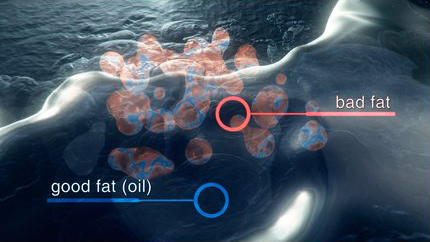
Included in the Narconon program are a series of instructional films that visually demonstrate the theory and procedure of each aspect of the program.






 ®
®