Drug Rehab for Florida
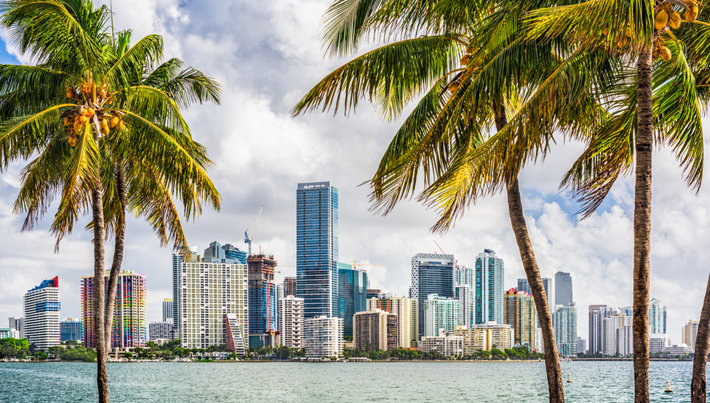
For years, Florida was renowned as the “pill mill” capital of the country. People seeking pills to abuse or sell would come from Tennessee, Kentucky, West Virginia and Ohio to buy hundreds of pills from Florida medical clinics. In Tampa, Bradenton, Miami and West Palm Beach, pain management clinics sprang up out of nowhere and millions of pills of addictive painkillers, benzodiazepines, and other drugs flowed into the hands of the addicted.
When this many pills stream out into society, tens of thousands of people become addicted and overdoses become a daily threat. Some of these people chose Narconon Suncoast in Clearwater, Florida for their recoveries so they could forge brighter, more successful lives.

Cleaning Up One’s Viewpoint with Detoxification
At the Narconon Suncoast drug rehabilitation center, post-acute detoxification is handled a little differently than at other drug or alcohol rehabs. In other facilities, detoxification only refers to the process of getting a person through withdrawal and finally sober after drug or alcohol abuse. At a Narconon center, this initial detox is our drug-free withdrawal phase, which is begun after any required medically assisted step down is completed. During the Narconon drug-free withdrawal, a person is assisted to then fully come off any drugs or alcohol (other than those prescribed by a doctor for any physical condition) with the use of generous nutritional supplements and special techniques that help reduce any pain and discomfort the person may experience as part of the final withdrawal.
New Life Detoxification
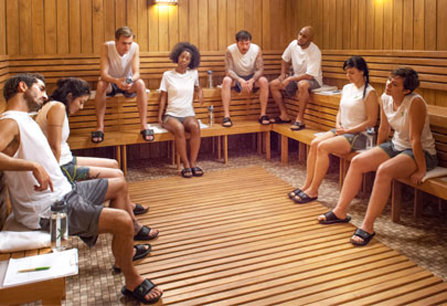
At Narconon, a very special detoxification process is a vital step on the way to lasting sobriety. Here, we take the detox process a step further than any other drug rehab which is the New Life Detoxification—a vital step on the way to a new sober life.
This action combines moderate daily exercise with a very strict nutritional supplement schedule and time spent in a low-heat sauna. These three factors combine to flush old drug toxins out of the body—out of the fatty tissues where it’s easy for drug toxins to become lodged. As sweat carries these residues out of the body, a person’s thinking becomes clearer and his (or her) outlook brightens. It’s easier to focus on improving oneself in the steps that will follow.
Education Plays a Huge Role in Preparing a Person for Sobriety
Once a person can think more clearly, he’s capable of learning a new way of living—one that does not involve using drugs to escape problems or anxieties. It takes an education in the most vital skills needed for making sober decisions. Those are the skills taught in the Narconon program.
- Who would make a safe friend or associate?
- Whose friendship might lead one directly back into drug abuse?
- How can one’s integrity be restored?
- Is there a way to find relief from the crushing guilt felt by a formerly addicted person?
These questions and many more are answered by the Life Skills training on this program.
As a person receives this education, he also gets experience using these skills to begin rebuilding his sober life. When the training is complete, each person then uses his new education to plot out his return path to a life with his family and friends. Guided by Narconon staff, he works out how to establish himself in a new job or return to his education, resolve broken relationships and make other repairs. Frequent contact with Narconon staff after his return home helps him stay on the planned course.
For more than fifty years, the Narconon drug rehab program has been enabling people to leave the catastrophes of addiction behind and build productive lives they enjoy. Families all over the world have discovered that they can get back the loving person they once lost to drugs.
Florida Pill Mills Endangered Lives
At the peak, there were more than 800 pain clinics in the state. Hillsborough County (home to Tampa) had more than 100, as did Broward and Palm Beach Counties.
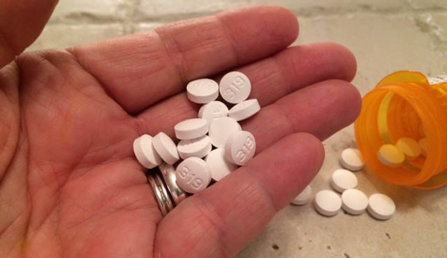
Then in 2010, things gradually began to change. First, the formulation for OxyContin changed to make it harder to abuse. If someone tried to crush it or dissolve it, the pill turned into a gummy mess. Then in 2011, Florida legislators began to change the laws that allowed pill mills to exist. Law enforcement agencies began to raid suspect clinics. In some areas, the number of pain management clinics was reduced by half. Many state officials declared a victory.
However, after this success, the percentage of people being admitted to addiction treatment for painkillers did not particularly fall, it just stopped climbing and then declined a little. As this number declined, however, the number of people admitted to treatment for heroin addiction began to increase. After all, it’s a natural progression from painkillers to heroin if the money runs out or new laws make it difficult to get the pills you’re used to.
This tropical paradise urgently needs a solution to addiction that lasts, that enables a person to actually live drug-free for the rest of their lives. In Florida, that solution is Narconon Suncoast.
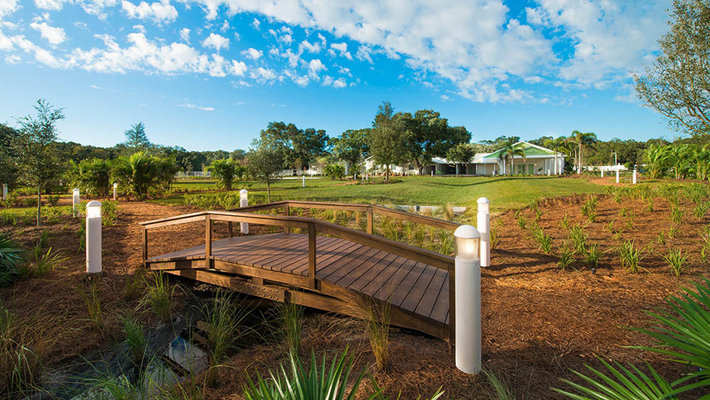
Designed from the ground up to be the perfect place to recover sobriety, Narconon Suncoast is a beautiful, light and comfortable facility. Every service or action a person needs to complete rehabilitation is located right on these grounds. The buildings are situated in the middle of aesthetic grounds that are worth a stroll when you want to think things over or watch the sunset.
Help for You or Someone You Love

Whether it’s you that needs help or someone you love, Narconon Suncoast can help. Individuals come from all over the Southeast—Florida, Georgia, Alabama, Mississippi, the Carolinas—to Narconon Suncoast for their recoveries. This program has helped hundreds of families so far and will continue as long as it’s needed. Call Narconon today to learn how this drug-free program can help someone you love make the journey back to lasting sobriety.
Additional Florida Drug Rehab Information:
- Cape Coral Drug Rehab
- Clearwater Drug Rehab
- Daytona Beach Drug Rehab
- Fort Lauderdale Drug Rehab
- Fort Myers Drug Rehab
- Homestead Drug Rehab
- Jacksonville Drug Rehab
- Lake City Drug Rehab
- Lakeland Drug Rehab
- Miami Drug Rehab
- Naples Drug Rehab
- Ocala Drug Rehab
- Orlando Drug Rehab
- Pensacola Drug Rehab
- Port St. Lucie Drug Rehab
- Spring Hill Drug Rehab
- Tampa Drug Rehab
- West Palm Beach Drug Rehab
 ®
®