Is Weed Bad For You?
ON THIS PAGE
While cannabis is considered by many to be harmless, statistics show otherwise. Out of 10 users, three will develop a habit they’re not able to control, despite the negative impact the drug use is having on their lives. This trend is even higher when cannabis use begins in adolescence and/or when use is frequent. Cannabis-related hospital and emergency department visits have increased significantly in recent years, driven largely by the rising potency level of the drug. As cannabis use and THC potency have increased, health systems are seeing more patients presenting with psychotic symptoms associated with cannabis.
No matter what reason you have in mind for starting to use this drug, you should know all the types of harm that can accumulate from its use.
Six Types of Harm That Can Result from Weed Use
Type #1: Harm to the Brain
The brain is especially sensitive to the effects of cannabis products. Cannabis contains chemicals that interact with a system in the brain called the endocannabinoid system. This system helps control important functions such as mood, memory, appetite, and pain. When cannabis affects this system, it can change how the brain works.
Research has shown that cannabinoids from cannabis can have a negative effect on the brain in various critical ways. In adults, these changes are temporary and simply stopping the use of cannabis restores the brain's natural balance. However, in children and teens, research has shown a number of negative effects. In addition to cognitive problems, risks for addiction to cannabis and other drugs are significantly higher for individuals who began using as a teenager.
Some of the parts of the brain that rely on the endocannabinoid system to function properly include:
- Hippocampus: Helps you form memories, learn new information, understand where you are in space, and process emotions.
- Amygdala: The amygdala plays a key role in handling emotions like fear, anxiety, aggression, and pleasure. It also helps trigger the body’s fight-or-flight response.
- Cerebellum: The cerebellum helps control balance, posture, and coordinated movement. It also plays a role in learning physical skills, attention, and even aspects of language.
- Prefrontal cortex: The area involved with functions such as planning, decision-making, problem-solving, impulse control, and managing social behavior.
- Striatum: The striatum helps drive motivation and goal-directed behavior—in other words, it plays a role in why and how we pursue rewards.
Studies done to learn the effects of long-term and/or frequent cannabis use reveal:
- The hippocampus and amygdala have reduced volume after long-term cannabis use.
- Chronic cannabis use has been associated with changes to the structure and function of the cerebellum and with difficulties controlling the body and balance, as well as managing attention and language skills.
- One study showed that young men with increasing use of marijuana had a prefrontal cortex that had less connection to other parts of the brain, a phenomenon associated with depression, inability to feel pleasure, and lower educational achievement.
- Structural changes to the prefrontal cortex resulting from cannabis use resulted in poorer memory and decision-making.
- Heavy cannabis use was associated with lower dopamine levels in the striatum, a change that can result in a person feeling tired, moody, and unmotivated.
Type #2: Damage to the Heart
Cannabis use can increase the heart rate and blood pressure after use, putting strain on the heart and the entire circulatory system. Those who use this drug daily or almost daily have a significantly higher risk of developing coronary artery disease, heart attack, stroke, heart failure, and irregular heartbeat compared to non-users.
Type #3: Damage to the Mind
Weed and all cannabis products are capable of having an intense effect on the mind of the user. Some of these effects can be long-lasting and dangerous.
- Psychosis: Though rare, the most psychoactive chemical in this plant, THC, has been associated with an increased risk of psychosis in a dose-dependent manner. In other words, the more you use it, the greater the danger. Research suggests that people who use cannabis regularly are about twice as likely as non-users to develop psychosis, while heavy users may face up to four times the risk.
Source: “Cannabis and Mental Illness: A Review” (from PMC/NIH) - Worsening Mental Symptoms: For a person already suffering mental problems, cannabis use can worsen symptoms.
- Suicide: The Centers For Disease Control and Prevention notes that cannabis use is associated with thoughts of suicide, suicide attempts, and suicide.
- Addiction: Of course, weed use can be addictive. The National Institute on Drug Abuse estimates that between 25% and 30% of those who use weed or other cannabis products become addicted.
Type #4: Damage to the Lungs
Smoked or vaped marijuana can cause extensive damage to the lungs. This harm includes:
- Inflammation and airway thickening
- Irritation resulting from ammonia and hydrogen cyanide in the plant
- Reduction of the lungs’ ability to clear out dust, microorganisms, and other harmful substances
- Increased risk of lung infections
Type #5: Compromised Immune System
Cannabis can have a serious effect on the human immune system, especially among people who already have existing immune challenges. For example:
- Marijuana smokers may be at greater risk for infection or cancer.
- Those who are HIV positive may have a higher risk of bacterial pneumonia.
Marijuana smoking was also found to reduce the function of an important type of immune cells in the lungs, called alveolar macrophages. These cells protect the lungs against infectious microorganisms, tumor cells and other harmful substances.
Type #6: Reproductive Harm
The use of weed or other cannabis products is known to harm the reproductive systems of both men and women.
- Men: Multiple studies have found that marijuana or THC harms the quantity or shape of sperm, which can affect fertility.
- Women: Marijuana use has been associated with higher failure rates during the in-vitro fertilization process. Animal tests have shown that THC consumption was associated with disruption of ovulation. The higher the concentration of THC, the greater the effects.
- Pregnancy: Because THC passes to a baby’s developing body during pregnancy, the effects can be low birth weight, abnormal development of the brain and nervous system, premature birth or stillbirth.
Quitting Marijuana Can Improve Health
The good news is that quitting the use of weed or any other cannabis product can gradually restore healthy function to the body. But it isn’t that easy for some people to quit. Once addicted, it can be very difficult to overcome the cravings and the psychological dependence on the drug. More than 100,000 people each year need the help of a drug rehab program to give up their cannabis habit.
The Narconon Drug Rehab Program
In 16 countries around the world, the Narconon drug rehab program has helped tens of thousands of people recover from addiction to all types of drugs. It is a drug-free program that uses healthy methods of rebuilding a person’s ability to enjoy a sober life in four key steps.
The Narconon program is based on the research and discoveries of author and humanitarian L. Ron Hubbard, the founder of Scientology, however it is not a religious program. It is a secular, holistically-based, drug-free program available to people of any faith or none.
1. Starting Sobriety with a Tolerable, Drug-Free Withdrawal
In many drug rehab facilities, withdrawal is likely to involve medication. While there are no specific medications approved for marijuana addiction, those in rehab for weed may be given gabapentin, quetiapine, varenicline, anti-depressants or other drugs.
The Narconon withdrawal process does not use any substitute medications or drugs like those listed above to make it tolerable. Generous vitamin and mineral supplementation calms the body’s symptoms. Gentle physical assists ease the body’s transition. Around-the-clock care and attention keeps each person focused on the present and supports them through this physical, spiritual and mental change.
2. Eliminating Residual Drugs to Relieve Cravings
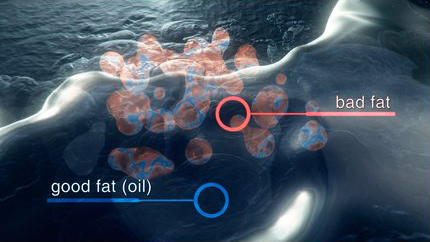
Cravings are a very big part of what keeps each person addicted. A person can resolve to quit weed use but be unable to keep their promise because the cravings drive them back to more use. The New Life Detoxification is a unique and innovative way to help wash out the drug and toxic residues left behind after drug use. On this step, each person exercises moderately, takes a carefully controlled regimen of vitamins, minerals, and healthy oils, and spends time in a low-heat sauna.
Day by day, old drug residues that are trapped in the body are flushed out. Gradually, life can begin to look brighter and cravings may be eased. Some people say cravings are gone. When cravings go, it's possible to think clearly again.
3. Returning to the Present Time Environment
To a person who has been addicted for months, years or even decades, life looks dim. Each day can feel like a burden. It’s hard to control one’s thoughts or actions. Before rehab, it was the need for drugs that drove a person each day. Now, they must learn to live in and control the world around them. This improvement is accomplished through the Objectives.
The Objectives consists of a series of guided exercises that can gradually bring a person back to the present. Some people finishing this step describe the anguish of the past dropping away, and say that they can once again see the world around them. This prepares them to learn the skills that can help them build a new life after rehab.
4. Building Long-Term Sobriety Skills
In life after rehab, there will still be challenges and upsets to be addressed. The intention of the Narconon Life Skills training is to enable each person to make the right decisions while equipped with practical life strategies. There are three parts to this training:
- Overcoming Ups & Downs in Life: Maintaining stability and happiness in life requires knowing who to trust. If you trust the wrong people, life turns into a series of ups and downs. The Overcoming Ups & Downs in Life course trains each person who to trust and who should not be trusted. They are then taught how to successfully deal with each type of person.
- Personal Values: Addiction is very destructive of one’s self-respect. Guilt makes it difficult to even give oneself a chance to enjoy a sober life. The Personal Values course shows each person how they can free themselves from the guilt they carry and find happiness again. Further, this course teaches them how to maintain their personal values and integrity in the future.
- Changing Conditions in Life: For years, those who have been addicted have struggled with relationships and responsibilities. The mental effects of drugs have made it desperately hard to overcome problems or obstacles in life. The Changing Conditions in Life course helps each person learn successful formulas for improving conditions at work, in relationships, in school or in relation to their goals.
Why Narconon Is The Choice of Thousands?
For six decades, this long-term, residential rehab program has helped people all over the world break free from the abuse of drugs. They have been able to achieve a new sober life, free from drug or alcohol abuse.
Some families have sent their loved one to as many as a dozen different rehab programs, but finally choose Narconon because it is different from the others. It is not a 12 Step program. Here, there is no belief that one will “always be an addict” or that they “are powerless.” Addiction is not treated like it is an incurable disease that requires extended or even lifelong medication.
At Narconon, each person has a chance to regain the power and skills to stay sober and build a productive, enjoyable life.
If you care about someone who can’t break free from weed or other cannabis products, call Narconon now for a fully confidential conversation.