Clinically Reviewed

Is Marijuana Addictive?

ON THIS PAGE

Using marijuana

Not everyone who uses marijuana will become addicted. However, research has shown that everyday use of marijuana is associated with an increased risk of addiction. Users of marijuana may experience a general loss of control in life, an inability to control usage, and face consequences of using, just like any other drug.

The National Institute on Drug Abuse confirms this with their statement about marijuana (cannabis) use:

“Studies have estimated that 22% to 30% of people who use cannabis have the disorder.”
“Chronic, heavy—every day or almost—use of cannabis products with THC is associated with developing cannabis use disorder… Studies have estimated that 22% to 30% of people who use cannabis have the disorder. The strongest predictor of cannabis use disorder is how often someone uses it, but other factors, like a family history of drug use and how long a person has been using cannabis, can also play a role.”

The Centers for Disease Control and Prevention reports that approximately 3 in 10 people who use this drug have Cannabis Use Disorder. If a person begins using this drug before they turn 18, the risk of addiction is even higher.

The Role of Potency in Creating Addiction

Cannabis label - potency

Marijuana potency is determined by the concentration of THC (delta-9 tetrahydrocannabinol), the primary psychoactive compound in marijuana. The greater the concentration of THC, the greater the intoxicating effect of the drug.

When users consume higher-THC products, their brain's reward system receives more intense stimulation, potentially accelerating the development of tolerance and dependence. As tolerance builds, users require increasingly larger amounts or stronger products to achieve the same effects, creating a cycle that can lead to addiction.

The potency of marijuana has increased dramatically over recent decades. In 1993, the average THC concentration in raw plant material was just 3%. By 2022, the average potency of this material had reached 16.1%.

New products of extremely high potency have been developed over the last decade in an effort to attract those customers. Any state that has legalized marijuana now has products for sale that are 60%, 80%, and even 99% pure THC.

At this time, marijuana products are legally sold in 39 states. This means that these high-potency products are available all across our country.

Marijuana Withdrawal Symptoms

Marijuana withdrawal symptoms

Some people argue that because cannabis use does not create withdrawal symptoms as intense as those of heroin, it is not addictive. Actually, cannabis withdrawal is associated with a significant list of withdrawal symptoms:

  • Irritability
  • Insomnia
  • Anxiety
  • Nightmares
  • Anger
  • Fluctuating moods
  • Headaches
  • Depression
  • Loss of appetite
  • And of course, craving for more cannabis

These symptoms of marijuana withdrawal start within 24 to 48 hours after use of the drug stops. They can last three weeks or more for heavy cannabis users.

Addiction Drives More Use Despite Serious Life Problems

Young addict

One measure of addiction is whether or not the person experiences harm from the use of this drug, but continues to use the drug anyway. According to the Substance Abuse and Mental Health Services Administration, heavy marijuana abuse is associated with the following problems:

  • Worsening mental and physical health
  • Relationship problems
  • Abandoning goals and preferred activities
  • Increased absences from school or work
  • More workers’ compensation claims
  • Less career success compared to peers

An addicted cannabis user will continue to use the drug despite effects like these. This is very common when people are addicted. This outcome applies just as much to marijuana as to crack, fentanyl, meth, or alcohol.

Protecting Our Youth From Harm or Addiction

A consistent message emerging from research into cannabis use is the fact that pot use is even more harmful for younger users. Smoking pot or using THC-intensive products like hashish in the teen years can damage these skills:

  • Reasoning
  • Decision-making
  • Memory
  • Inhibition
  • Judgment
  • Coordination
  • Maintaining attention
  • Emotional regulation
  • Learning abilities
  • Cognitive function

Research has shown that the more often individuals use cannabis in their youth, the more significant and noticeable the long-term impacts are. According to the CDC, the drug’s effects on a developing brain can be permanent, especially with regular or heavy use.

A 2021 news report referred to a study about the effect of marijuana on youth, stating: “(T)eens who used pot already were showing signs of attentional impulsivity, an inability to stay focused without distraction.” This study also revealed that the teens who used pot suffered changes to their brain tissue. The more pot that was used, the more their brains changed. The specific parts of the brain most significantly affected were associated with working memory, inhibition, attention, and emotional regulation.

One substance abuse treatment expert, Dr. Scott Krakower, said this about ongoing research into marijuana use: “I would say if they study it long enough, they probably will see more changes in reaction time, impairment, memory formation… There is a lot of evidence suggesting that this developmental window that’s occurring during adolescence may be a particularly vulnerable time for substance use.”

Special Risks for Young People Using Cannabis

The Centers for Disease Control and Prevention notes these serious hazards that particularly affect young cannabis users:

  • Mental health problems, including psychosis or schizophrenia
  • Paranoia or hallucinations
  • High-risk driving and a greater risk of accidents
  • Dropping out of high school or college
  • Higher rates of addiction

Protecting our future leaders means educating them early on the risks of cannabis use, monitoring their activities carefully, and helping them recover from addiction if it occurs.

Even Medical Use of Marijuana Poses Risk for Addiction

The residents of many states have approved marijuana use for those with medical needs. Recent research revealed that these users risk addiction with minimal help for their medical conditions.

A 2022 study surveyed a group of medical marijuana patients to better understand why they were using marijuana and whether or not they had experienced improvements. The three main reasons were:

  1. Pain levels
  2. Anxiety
  3. Depression: The survey found that these problems had not diminished since the patients started the treatment. Further, marijuana dependence and addictive symptoms went up for patients after getting on the drug.
“We found that people who obtained medical marijuana cards were at increased risk for developing cannabis use disorder within the first 12 weeks of owning a card…”

The lead researcher stated: “We found that people who obtained medical marijuana cards were at increased risk for developing cannabis use disorder within the first 12 weeks of owning a card…Adults seeking to use cannabis for medical complaints through commercialized cannabis did not report relief from pain, depression or anxiety.”

Individuals Seeking Treatment for Cannabis Addiction

In 2022, approximately 10% of all drug rehab admissions to U.S. rehab programs were for cannabis as the primary substance, making it the fourth most common substance after alcohol, heroin, and methamphetamine. In that year, 122,049 people entered publicly-funded programs for help with cannabis use disorder.

These admissions range from required court-ordered treatment for possession of small amounts of marijuana to individuals who self-report marijuana as their drug of choice but also take another drug like heroin, meth, or alcohol regularly.

If you step back from the popularity that cannabis has among some groups and just look at the facts, it’s obvious that this drug is addictive.

Breaking Free from Marijuana Addiction

When you want to help someone break free from marijuana addiction, the best chance for many individuals is residential drug rehab. They will immediately be separated from their drug dealers and drug-using friends. Around the clock, they will have the support and encouragement they need to succeed. It is important to choose a rehab that provides a well-rounded program that addresses cravings, the person’s loss of self-respect and that gives them the skills needed to stay sober. The Narconon rehab program checks all those boxes.

The First Step: A Well-Supported Withdrawal

The very first step gives each person a good start on their new sobriety. In the Withdrawal Unit of a Narconon rehab, each person receives generous vitamin and mineral supplementation to help the body eliminate the drugs they were using and start the healing process. Gentle orientation and calming processes help soothe the body and lessen the physical effects that can accompany withdrawal. For those who have gone through previous withdrawals, many claim this process to be the most tolerable they’ve experienced. This is a drug-free withdrawal approach.

It is essential that each person starting the Narconon program first receive an examination by a medical professional to determine whether or not they will need a medically supervised detox before starting rehab.

Next, an Innovative Way of Relieving Cravings and Improving Outlook

Narconon Suncoast new life detox with students

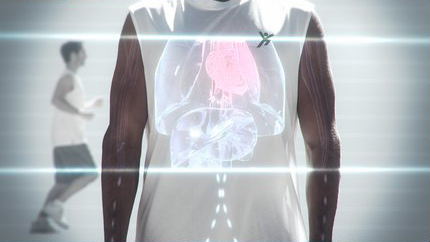
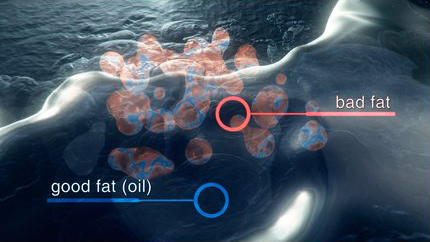
Once they are through withdrawal, their next step is the New Life Detoxification. This innovative action combines time spent sweating in a low-heat sauna with exercise and a specific regimen of nutritional supplements known to help the body flush out cannabis toxins. These drug residues are stored in fatty tissues of the user’s body, where they can cause cravings, mental and physical problems, even long after drug use stops. Just because a person stops using cannabis, it does not mean that all these residues leave the body. The New Life Detoxification flushes out toxins to relieve their effects on a person’s outlook and mood, and to help relieve cravings for more cannabis.

When these residues are flushed out, many people completing this step talk about how much brighter they feel and how their cravings are reduced or gone. Their ability to envision a sober future and concentrate on their recovery is also greatly increased.

Learning to Live in the Present Again

After being addicted for months, years or even decades, life looks dim and dull. The individual has been overwhelmed by their cravings for so long that it’s hard to engage with the present environment. The Objectives help draw a person out of this darkness and back to the brightness of life. These real-world, practical exercises guide each person back into contact with real life, so they can leave the dimness of addiction behind them. Gradually, they can become more in contact with their real thoughts and feelings and more in control of their actions. The Objectives actually reverse certain kinds of harm done by extensive drug use.

Gaining the Skills to Stay Sober After Rehab

It’s great to feel brighter and more in touch with the real world, but life is still going to be challenging. Each person needs to acquire the skills to deal with setbacks, problems, or troublesome individuals. Therefore, life skills training is an essential part of the Narconon program.

There are three parts to this life skills training:

  • Overcoming Ups & Downs in Life: Those individuals who lose their integrity, their businesses, and families have typically been associated—willingly or unwillingly—with an antisocial personality. It could have been a drug dealer, a drug-using associate, or some other negative person the addicted person knows. It’s essential to be able to identify these personalities and know how to deal with them without losing one’s own integrity and honesty. A person who doesn’t have these skills can feel up one day and down the next. This life skills course teaches a person to tell the difference between antisocial and social people and how to deal with each one.
  • Personal Values: As integrity and self-respect have suffered serious damage during addiction, it’s vital to learn how to rebuild them. The Personal Values course teaches each person the essentials of integrity and how to recover one’s self-esteem. This is a vital step in preparing one to live an honest and productive life.
  • Changing Conditions in Life: When relationships have to be rebuilt and when decisions need to be made, it’s important to have guidelines to help a person succeed. This course provides those guidelines. There will always be barriers and obstacles in life, and these guidelines help a person preserve their sobriety throughout.

Why the Narconon Program Is Different from Other Rehabs

Since 1966, the Narconon drug and alcohol rehabilitation program has helped people addicted to all kinds of drugs establish themselves in new, sober lives. This is a drug-free, holistic, residential program that addresses the reasons they became addicted. Here, the belief is not that those in rehab will always be addicted or that they have a “chronic, relapsing disease.” Here, the focus is entirely on relieving cravings, recovering from trauma, and learning sober-living skills.

If you care about someone who is addicted to cannabis, call Narconon today and learn more about this drug-free rehab program. Call today for a confidential conversation.

Sources:
  • “Cannabis (marijuana).” National Institute on Drug Abuse, 2024. NIDA.
  • “Cannabis Facts and Stats.” Centers For Disease Control and Prevention, 2025. CDC.
  • “THC levels have quadrupled since the 1990s.” Axios, 2025. Axios.
  • “Clinical management of cannabis withdrawal.” National Library of Medicine, 2022. NLM.
  • “Know the Effects, Risks and Side Effects of Marijuana.” Substance Abuse and Mental Health Services Administration, 2024. SAMHSA.
  • “Cannabis and Teens.” Centers For Disease Control and Prevention, 2024. CDC.
  • “Pot Use May Change the Teenage Brain, MRIs Show.” US News and World Report, 2021. US News and World Report.
  • “High-potency marijuana highlights the risk of cannabis-induced psychiatric disorders.” NBC News, 2024. NBC News.
  • “Effect of Medical Marijuana Card Ownership on Pain, Insomnia, and Affective Disorder Symptoms in Adults.” JAMA Network, 2022. JAMA Network.
  • “Treatment Episode Data Set.” Substance Abuse and Mental Health Services Administration, 2023. SAMHSA.