Illicit fentanyl has been a leading cause of fatal overdoses in the United States for some years. Adding to the concern, recent reports by the Drug Enforcement Administration suggest that new strains of “rainbow fentanyl” could be spreading through...
New research into a significant change in New York dental practice has found that dentists can stop prescribing opioids and shift to only recommending over-the-counter pain relievers for patients, all with little to no negative effects. The findings may...
Monitoring substance abuse trends among young people provides a clear view of developing drug problems nationwide. Recent studies in this area suggest that certain types of drug use are now the highest they’ve ever been for young people, painting a dire...
For decades, the standard medical approach to alcohol has been, “Alcohol consumption in moderation is OK.” However, recent findings suggest the standard should be revised. According to scientists, even one drink per day can be quite harmful.
Alcohol addiction and alcohol-related deaths have increased dramatically in recent years. Today, alcohol consumption is one of the leading causes of preventable death in the United States. Yet, unlike the opioid epidemic, alcohol misuse receives little...
Heat + alcohol = trouble. Hot summer days lead to fluid loss through sweat, while alcohol consumption causes fluid loss through increased urination and other factors. Combined, the two quickly lead to dehydration and heat-related illnesses like heat exhaustion...
Drug trends across America are always changing, hence the importance of monitoring such trends. The most recent drug trend to take America by storm is the sinister distribution of fake prescription drugs, labeled as coveted painkillers but containing lethal...
Teens are less likely to use drugs now than they were in previous years, but they are significantly more likely to die from an overdose when they do use drugs. Fentanyl, a synthetic opioid, is almost entirely to blame for the deaths.
A person addicted to drugs or alcohol finds himself quite isolated and alone. His family and friends have become alienated, not knowing what to do to help him. He loses jobs and relationships are destroyed. As he struggles with his addiction, he can feel...
Someone you care about just completed a drug and alcohol rehab program and is about to come back home. What do you do to support them? What shouldn’t you do?
Rehab performs the heroic task of saving lives on an immediate basis. But should it do more? If it is to be an effective part of solving a problem as deep and as wide as addiction it should; by reducing future risk of death.
Can a recovering addict seek treatment and create a relapse-free life if they have a loved one back at home who is still using drugs and alcohol?
Drug and alcohol abusers frequently get caught in a revolving door of treatment – a perpetual cycle of treatment and then relapse. Treatment can get a bad name. Yet, treatment is usually the only real solution for someone struggling with addiction.
The abuse of these drugs that were designed to give pain relief to the sick and injured is widespread, especially among young adults.
Recently, I was editing an article about the opioid epidemic and I read a statistic that seemed quite salient to the discussion at hand. It seemed to illustrate the problem in a clear easy to understand fashion that anyone could understand.
Amber described her life as drugs and alcohol took hold of her. “Life wasn’t fun. I didn’t enjoy it. It was a battle every day. I was pretty much flunking out of school and finally dropped out. My relationship with my mom and dad didn’t exist....
Here is an email my dad sent me today and I want to share the win. “Rachel, I told you I’ve been copying all the family home videos to DVD and then converting them to digital files. Mostly I just do the processes, which is time consuming, and walk...
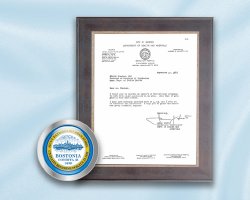
A historical 1972 letter from the Boston Department of Health and Hospitals endorsing Narconon as an effective, innovative program for treating alcoholism.
A historical 1972 letter from the Arizona Department of Education expressing unreserved support and a recommendation for the Narconon drug rehabilitation program.