If you are finding yourself in the position of considering going to rehab or getting ready for your treatment stay, there are a few things to keep in mind while you are there.
For many people, experiencing trauma such as sexual, physical, emotional abuse or severe loss sets them on a path toward substance abuse and addiction. Understanding this can enable you to help a person who is using drugs and may be starting on that path.
For anyone touched by America’s opioid epidemic and anyone who has followed the development of this crisis, as I have, Patrick Radden Keefe’s new book adds to our knowledge of the steps that must be taken to heal from our crisis of drugs abuse and...
The Sackler Family and Purdue Pharmaceuticals deny any responsibility for the role they played in creating the opioid addiction epidemic. And while the most recent litigation against Purdue/the Sackler family ended in immunity for them and an abdication...
To many people, what I have now may not be considered a fancy or exciting life, but to me, it’s precisely the life that I wanted, and the one that would still be out of reach had I never gathered up the courage to overcome my addiction.
We don’t usually hear about our sports heroes using drugs or drinking excessively until their careers founder or come crashing down. The lucky ones recover from addiction and often go on to work hard to save other people’s lives. The unluckiest ones...
America is losing more of its aging citizens to alcohol and drug dependence and even fatal overdoses. It’s time to take a look at the extent of this problem.
If you or someone you know is on the fence about pursuing a life of addiction recovery, here are ten great reasons why it is a great idea to get sober now.
In an alarming development in the ongoing litigation between thousands of plaintiffs against Purdue Pharmaceuticals (and the Sackler family that owns it), a federal judge just overturned the Sackler bid for bankruptcy protection and immunity. What does...
In the slew of recent lawsuits against pharmaceutical companies, yet another loss for Big Pharma was announced on December 30th, 2021, in the case of New York State against Teva Pharmaceuticals.
If you or someone you love is struggling with an addiction, chances are you have been experiencing some of the following issues.
There are now more street drugs than ever, and people are dying from drugs and alcohol at unprecedented rates, so it is more important than ever that parents educate themselves on this subject.
Several major pharma litigations are currently making their way through U.S. courts. One such case just came to a close, unfortunately releasing several pharma giants from all legal liability regarding their role in the devastating opioid epidemic.
Newly published reports from the Centers for Disease Control and Prevention and other organizations have shed light on recent surges in methamphetamine-related overdose deaths. According to the data, meth fatalities have tripled in recent years. And these...
Overindulging in alcohol in college has become so socially acceptable that it is almost seen as a right of passage into adulthood. The problem with normalizing binge drinking is that it doesn’t address the genuine dangers of overdrinking.
While there are numerous health benefits from consuming resveratrol, it is essential to remember that alcohol in any form is a known carcinogen. When it comes to resveratrol, there are other ways this nutrient can be added to one’s diet.
For much of the 2010s, fentanyl addiction and overdoses surged in regional areas like the Northeast, Appalachia, and the Southeast. At the time, many experts believed fentanyl addiction and overdose would remain a localized crisis, not a national one....
There is never a “safe” time to be addicted to drugs. But there are times when risk factors spike, when addicts are in even more danger than they usually are. Given that drug overdoses tend to surge during winter, one can say that addicts face additional...
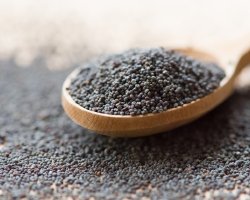
Clinicians and families alike may not be aware of the risk posed by consumption of a readily available type of poppy seed. Despite this lack of awareness, this seed can result in addiction, overdose and death.
The last two weeks of December and the first few weeks of the new year can be incredibly stressful for recovering addicts. And during a global pandemic, this time of year is even more challenging.