Heroin Withdrawal
ON THIS PAGE

A Description of Heroin Withdrawal
If a person who was thinking about using heroin had a good understanding of what would happen when they tried to stop using it, would they ever start?
This is a vital question. Every heroin addict starts using the drug one day—maybe someone they knew was using it and seemed to be having a good time. Maybe they went out looking for a new experience. At the time they may not have thought about addiction and withdrawal from the drug.
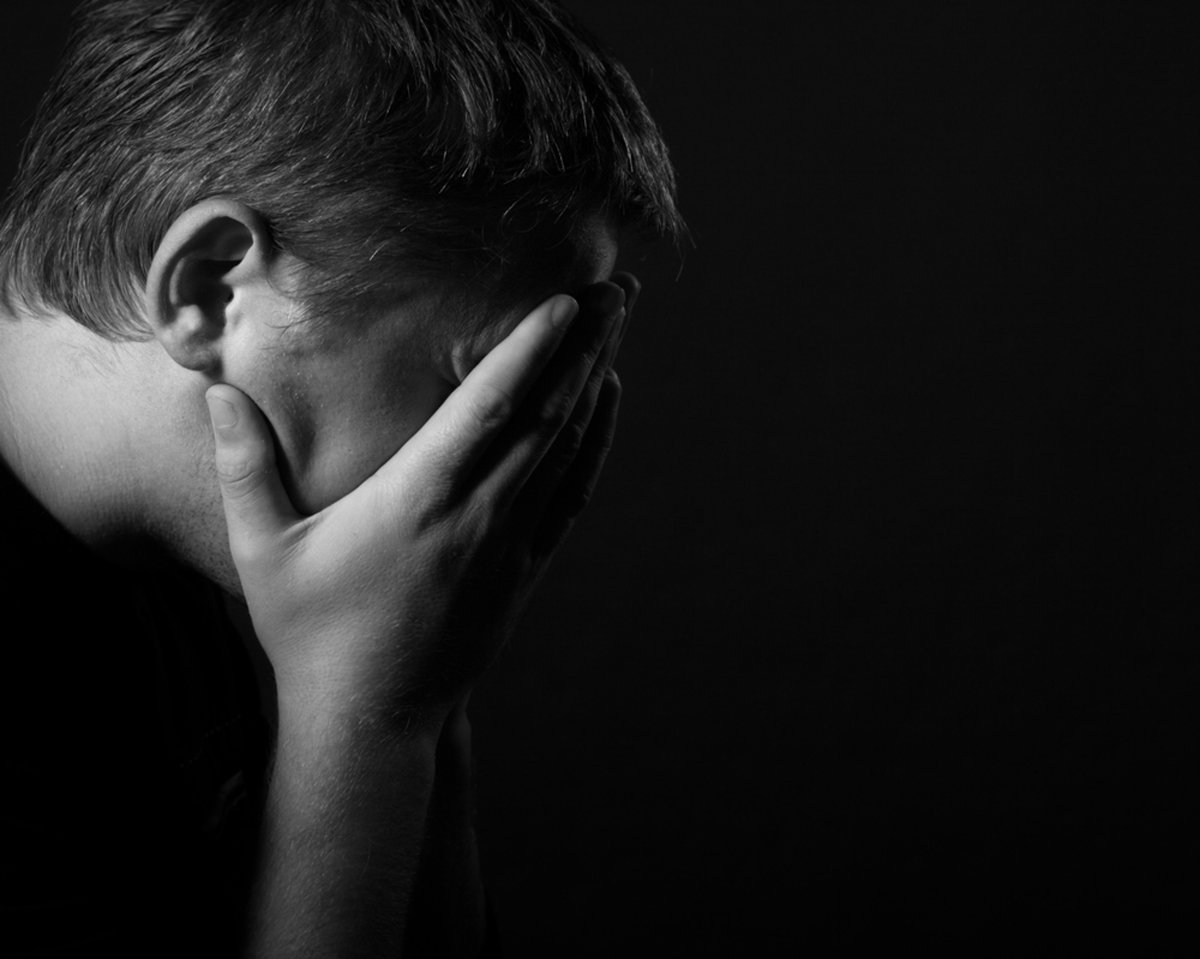
One heroin user trying to dissuade a person from starting heroin use described his withdrawal this way: “Diarrhea, vomiting, uncontrollable shakes, cold sweats, goose bumps, hot flashes, aches and pains that will not go away, semi-permanent insomnia, anxiety, muscle spasms and suicidal thoughts.”
Thus heroin withdrawal may seem to some heroin addicts to be a gruesome experience that can’t be faced for the sake of sobriety.
How to Help a Heroin Addict
Heroin has a long history of destroying lives. It can destroy quickly by overdose or it can destroy slowly by driving a person to the margins of society. While there are some “functional” heroin addicts who manage to hold jobs while continuing to use the drug, most lose their self-respect and ability to interact with sober society.
Many heroin addicts turn to crime to keep themselves supplied with the drug. They may also suffer physical deterioration. The deadening effect of the drug tends to eliminate their concerns about their own physical conditions.
Effective help is needed to enable heroin addicts to make it all the way back to a lasting, sober life. This help is now available in a form that does not require the indefinite use of substitute drugs.
Effects of Heroin Abuse
If you are trying to help someone who is using heroin, you may see the following effects from their use of the drug:
- Dulling of pain and emotional responses
- Sedation, lethargy, dopiness, sleepiness, and unconsciousness
- Nausea, vomiting, constipation
- Pupils are constricted
- Euphoria, confusion, difficulty focusing
High doses can cause slowed breathing, slowed heart rate, coma, and death.
Get the information about Heroin that may help you prevent a disaster for your or your loved one.
DOWNLOAD NOWSince heroin is an illicit drug that comes from South America, Mexico or Afghanistan, the user never knows how potent it will be. In recent years we are seeing more and more fentanyl showing up in batches of heroin which is like playing Russian roulette with your life. Fentanyl is a synthetic opioid that is similar to morphine but is 50 to 100 times more potent. Another form, carfentanil is highly dangerous in that it is 10,000 times more potent than morphine. Just a few granules cut into heroin can be lethal.
Withdrawal is a Terrible Barrier to Sobriety
When a heroin addict tries to get clean, he may go through an excruciating, torturous withdrawal. While the severity of symptoms may vary, the general nature of withdrawal is usually similar.
One person described his withdrawal symptoms as watery eyes, runny nose, yawning, violent sneezing, chills, weak, sick feeling overall, depression, insomnia, twitching. He said did not suffer the vomiting, diarrhea and stomach cramps that many in withdrawal experience.

However, a second person stated that it felt like his bones were being crushed by a steamroller. He was in so much pain that he considered suicide.
Even if a person manages to get clean, he may never lose the cravings for the drug. He may remember the way he was not worried about problems when he was high on heroin. He may try the drug again and immediately be back in his old habit. The memory of his earlier cold-turkey withdrawal may haunt him and prevent him from trying to get clean again. Many people go through this pattern again and again.
What are the options?
Some drug rehab programs offer alternatives to avoid heroin withdrawal. But unfortunately, they all involve some other kind of drugs. Suboxone and buprenorphine are opioids used to prevent withdrawal symptoms from kicking in, but the person taking them remains addicted to a synthetic form of opium. Methadone is another prescription drug intended to replace heroin but methadone withdrawal is usually much worse than withdrawal from heroin and may last for weeks rather than days.
A person may even be offered “rapid detox” to help them through heroin withdrawal. This process involves the administration of a general anesthetic or a heavy sedative, with a massive cocktail of drugs following. Some of these drugs are intended to quickly bring on every withdrawal symptom and others are supposed to prevent the vomiting and diarrhea or other adverse or hazardous conditions that would normally result from heroin withdrawal. The person remains unconscious or sedated during this process. Some US state health agencies have excluded this process from their recommendations for addiction treatment, citing several deaths that have been reported, the high risks involved and the high cost. Some reports also state that the withdrawal symptoms are not necessarily over when the person comes out of the sedation or anesthesia.
Some People Think that Methadone and Buprenorphine are Solutions
To avoid these withdrawal symptoms, many people choose programs that substitute a prescription drug for their illicit supply of heroin. Despite the positive publicity on these drugs, they are themselves addictive, are abused by drug addicts and many say they are harder to get off than heroin.
The very worst thing about these drugs may be that the person using them to get off heroin is still affected by and addicted to an opiate. They may see improvements in their social conditions because they don’t have to commit crimes but they also don’t get to experience life without an addictive drug in their systems.
Unsupported Withdrawal Causes Sleeplessness and Depression as well
It is very common for a person going through heroin withdrawal to be horribly depressed and sleepless. As the body goes through its changes, a person is often very restless. There may be twitches and jerking motions of arms and legs, a symptom that gave rise to the saying, “kicking the habit.”
A relapse is very common among those who are trying to leave heroin addiction behind. The difficulty in helping heroin addicts stay sober is what brought about the popularity of methadone and buprenorphine treatment programs and other harm reduction activities such as clean needle programs and clean shooting rooms. It was finally felt that if nothing else, some of the harm of heroin addiction could be reduced. But, in fact, harm reduction is not the best or the only choice for getting off heroin. A person can get clean and learn how to stay clean at Narconon.
Nutritional Shortages Contribute to Heroin Withdrawal Sickness
Among addicts, withdrawal symptoms are referred to as “dope sickness.” What they don’t realize is that the physically depleted condition of the addict aggravates the withdrawal, making it far more miserable than it has to be. When a rehab program understands this and provides the correct balance of supplements a body needs to detox the opiates in the system, withdrawal can be a much more tolerable activity.

At Narconon drug rehab centers around the world, each person going through withdrawal is given nutritional supplements like B Complex, vitamin C, calcium, magnesium, and others that help calm a body’s reaction to withdrawal.
Narconon support staff also have several other techniques available to help a person through the withdrawal portion of their recovery. These include gentle physical techniques known as assists to help calm spasms and lessen aches and pains. Reorientation techniques help calm a person’s mind so they can start focusing on recovery and stop worrying about pain, sickness or the past.
When it is determined that it is medically necessary that a person step down from their current level of drug use we work with medical detox services to complete this before a person starts the drug-free withdrawal at Narconon.
Is there a better method to assist with heroin withdrawal?
The answer to that question is “Yes.” Finally there is a drug rehab that makes it possible to come off heroin in a tolerable manner so that sobriety comes within reach.
This is what is offered as a person begins the Narconon drug and alcohol rehabilitation program, available at centers around the world. Discoveries in the field of drug recovery have finally enabled withdrawal to become a tolerable, positive step.
The Narconon drug and alcohol rehabilitation program offers a humane, tolerable method of getting clean of heroin (or any drug, opiate or not) and then helping a person build a new, sober life complete with self-respect, integrity and life skills. It’s not a recovery that can be accomplished in just 28 days. It takes most people eight to ten weeks to come back to life and gain the ability to plan and achieve goals. Some people, especially those who have lost much of their lives to addiction, may require more time to recover.
Many people going through an opiate withdrawal at a Narconon facility say that it is the most tolerable withdrawal they have ever been through. Generous nutritional supplementation helps calm many of the symptoms they expect to experience. The worst pains and sickness may never show up at all because of the nutrition and one-on-one support of the staff. Gentle physical relaxation techniques and orientation exercises all help alleviate the usual desperate moods of the person in withdrawal.

As soon as a person feels better, starts sleeping normally and has a good appetite, he moves into the remaining steps of the rehabilitation program. Here, he (or she) sheds the guilt and depression over what has happened in the past, and learns how to face—and even enjoy—the future, solve problems related to life and the achievement of goals, and make decisions based on strong personal morals.
When someone you care about wants to get off heroin, the kindest action you can take is to help him arrive at a Narconon rehabilitation facility where he can get plenty of support and complete a program with a long history of helping individuals overcome their addiction to heroin.

The withdrawal phase is just the beginning step. Following that, a person completes the Narconon New Life Detoxification program which helps flush out drug residues stored in the body. Many report after completing this program they can think clearly once again and their cravings for drugs are greatly reduced.
Real Rehabilitation
When a person’s appetite normalizes and they can sleep again, when they are calmer and out of pain, then they move on to the next phase of the Narconon drug rehab program. Each step of this program is designed to start repairing the devastation brought about by years or even decades of drug or alcohol abuse.
The New Life Detoxification is a combination of exercise, sweating in a dry-heat sauna and a carefully monitored regimen of hydration and nutrition. The procedures break up and flush out the toxic residues that remain in the body—even after the person has stopped taking drugs.
Life skills that are normally lost when one’s only concern is getting more drugs must now be rebuilt. There must be a way to alleviate the guilt that becomes a heavy burden as soon as the deadness of opiates wears off.
The Narconon program offers all these improvements and many more. But life skills must be built after a person practices basic communication skills that begin to put him in control of himself again. And after a thorough detoxification phase clears one’s thinking as the toxins of all those abused drugs are flushed out. These early fundamentals help prepare each person for the growth in responsibility and ability that comes from these Life Skills courses.
We're here. We're ready to help you.
Call us at
1-800-737-5250
to get help now.
or learn more about the Narconon Drug Rehabilitation Program
Families See their Loved Ones Come Back to Life

By the time a person arrives at a Narconon rehab center, the family has usually not seen the sparkle in his eye for many years. They have not been able to believe anything he has said since he started abusing drugs heavily. With perhaps their last measure of hope, they found the Narconon program and got the person to arrive and waited. It is very common for mothers to say that they got their sons or daughters back at last, as they graduate from this program, or for children to finally see a responsible parent return to them after rehab.
The tools and abilities gained in the long-term Narconon program help graduates maintain their sobriety after they go home. The individual learns how to make sober choices and to keep old drug-using associates from having an influence over him.
Whether your loved one has been to rehab before or not, find out why the Narconon program may be the only rehabilitation program your loved one will ever need.
