Drug and Alcohol Rehabilitation and Recovery for Montana
on this page

A decade ago, Montana was a state with such a desperate methamphetamine problem that it kick-started an anti-meth campaign known as The Meth Project. Hard-hitting public service announcements were created and began running in 2005. Over the next five years, the number of admissions to addition treatment programs for meth addiction declined dramatically. Sadly, however, the number of people seeking drug rehab in Montana for meth addiction have since returned to 2005 levels.
A contributing factor to this increase is the change in who is manufacturing and trafficking this drug. In the mid-1980s, it was coming from Asia. Then, domestic manufacturing facilities were set up. Those running these meth labs bought large quantities of cold pills with pseudoephedrine to get the chemicals they needed for their batches. But then laws began to change and these cold medications were no longer easy to get.
Mexican drug traffickers built their own large meth labs in Mexico and California and began to supply the West with the drug. Law enforcement personnel began to report that meth was making its way into Montana via Oregon, Washington, Nevada and Idaho.
At one time, a lot of the supply would keep on going through Montana and wind up in North Dakota’s Bakken oil patch. When that business saw a downturn a few years ago, more of the product stayed in Montana. And more Montanans became addicted.
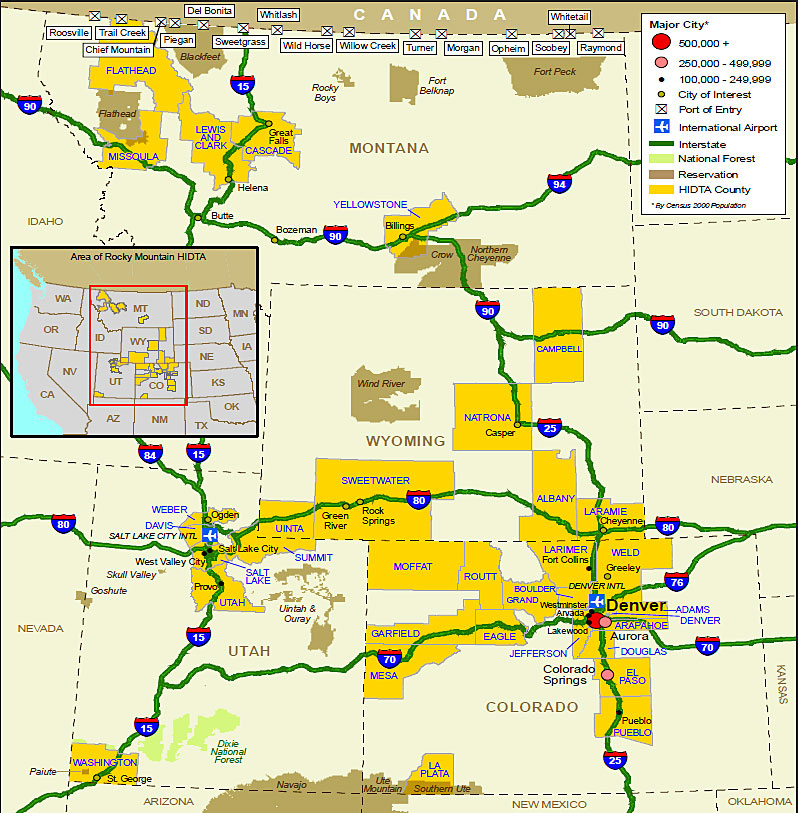
Part of the State of Montana is included in the Rocky Mountain High-Intensity Drug Trafficking Area—a designation that allows for additional funding and coordination to fight drug trafficking and abuse. Flathead, Missoula, Lewis and Clark, Cascade and Yellowstone Counties are part of this designation.
Aside from the state’s problem with illicit drugs, alcohol is the top reason most people seek drug rehab. Between 50% and 60% of those entering Montana drug rehabilitation centers state that alcohol is their primary problem.
Offering a Road Back to Lasting Sobriety
The Narconon network of drug rehab centers has helped tens of thousands of addicted individuals find their way back to healthy, productive lives. Fifty years of experience has shown that it takes helping each person find true relief from the guilt and trauma they have suffered and from the cravings that make it so hard to stay sober.

Recovery at Narconon begins with a thorough detoxification step that reaches deep into the cells to wash away residues from past drug or alcohol use. These residues have been shown to be involved in cloudy, slow thinking and constant cravings. Each person follows a strictly controlled program of nutritional supplementation, spends time in a low-heat sauna and exercises moderately. These three factors activate the body’s ability to flush out these stored toxins. As residues leave, thinking gets clearer, one’s outlook gets brighter and many people talk about how much their cravings have reduced. This is a necessary improvement if a person is to be able to concentrate on the next steps on this program.
Recovering from Past Trauma, Gaining New Skills in Drug Rehab

When a person is first in drug or alcohol rehab, the past haunts him (or her). He doesn’t want to think about the people he has hurt, injuries or overdoses he may have suffered or jobs or possessions he lost. It’s painful. This pain has been a major factor keeping him chained to his drug use. To even give himself a chance to be happy again, he has to heal from this trauma.
The first step of this healing is the objectives. This is an intensive series of procedures that help each person connect to the present. Gradually, one procedure at a time, life begins to look brighter. The pains of the past begin to fall away. The individual begins to regain the ability to make rational choices and control his own emotions and actions.
He must now restore sober living skills that were destroyed by years of addiction. For some people who started using drugs early, they may be learning these skills for the first time. Each person learns the difference between antisocial and social individuals and how to deal with each. When he looks back in his past, he will find antisocial people connected with his decline into addiction. Identifying these people in his past helps him realize he does not have to be affected by such people in the future.
He also learns about self-respect and integrity and how he lost his. What then follows is almost miraculous. He learns how he can recover his integrity and preserve it in the future. The relief on learning this lesson is profound. Finally, each person learns how to repair problems in life. He can apply this lesson to relationships that were damaged or harm he created in his community. By learning that obstacles can be overcome, he does not have to feel defeated in the future if problems come up. This greatly protects his sobriety because he knows he does not have to resort to drug use if he faces a setback.
The Social Pain Created by Drug Addiction
Drug abuse doesn’t occur in a vacuum. It occurs in the middle of a family or community and it has effects that reach far beyond that individual drug user. In Montana, drug abuse is overwhelmingly involved in cases of child abuse and placement in foster care. In Yellowstone County, out of 306 children in foster care, 225 were there because of parental drug abuse.
Across the state, methamphetamine is the drug involved in the majority of cases. An analysis of foster care assignments offered a breakdown of the drugs parents were using:
- 53% methamphetamine
- 28% alcohol
- 25% marijuana
- 18% prescription drugs
Bringing Back Honesty, Productivity, Values

When you help a person recover his (or her) true nature, when you help him reclaim the life he should be leading, you help not only him but the whole family and community. That’s the service Narconon drug rehabilitation centers have been providing for more than 50 years.
Get Help Now
From one center in Los Angeles, the Narconon network of rehab centers has been expanded to dozens of centers around the world. Internationally, there are centers in Egypt, Taiwan, Japan, Italy, Nepal and many other countries. In the United States, Montanans can choose nearby centers in Colorado and Oklahoma. A little further away, there are centers in California, Louisiana and Florida.
Whichever center you choose, the program is exactly the same. The lessons offered those in recovery are taught through a series of manuals and videos. Staff are trained on the same protocols. If you care for someone in Montana who is struggling with addiction, you have drug-free choices in Narconon centers across the country. Call Narconon International to learn more and make your choice: 1-800-775-8750.

 ®
® ) on our articles for the most up-to-date and accurate information.