True Drug Rehab Solutions for Indiana
on this page
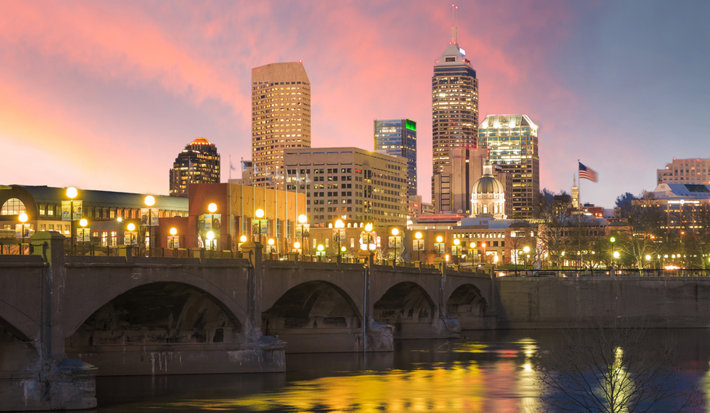
While an escalation of overdose deaths has afflicted the whole country, the areas hardest hit have been the Midwest and Northeast. Indiana has struggled with increases in drug use and overdose deaths along with its neighbors, Kentucky and Ohio. Its proximity to Chicago has put it directly on major channels of drug trafficking which means plenty of drugs for anyone in Indiana seeking escape from life’s suffering.
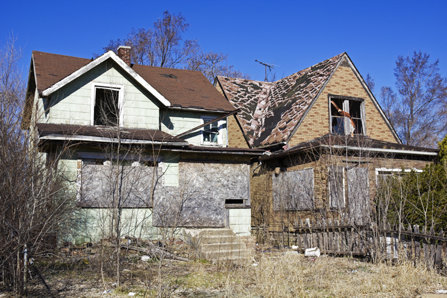
Gary and its industries were hit hard by economic downturn and exportation of steel jobs to other countries. A satellite view of the city on Lake Michigan shows huge plants that once manufactured steel or refined oil. Now, much of that property lies idle. Neighborhoods that once housed tens of thousands of workers now have an overabundance of empty, dilapidated houses, yards which have gone to ruin or vacant lots. Poverty makes a fertile field for the spread of drug abuse.
One sign of this drug abuse across the state is an increase in the number of reported cases of child abuse. More than half the children removed from their homes in 2016 were due to parental drug abuse.
Part of a National Pattern of Increasing Damage from Drug Abuse
The longitudinal belt from Lousiana-Alabama-Mississippi in the south to Indiana-Ohio-Michigan in the north has some of the country’s highest rates of prescribing. In Indiana, there are 109 prescriptions issued for every 100 residents. Are Indianans really in that much pain?
While heroin is present across the state, it is found most frequently in counties that lie directly on the Interstates. As well as serving Americans, the Interstate system makes it easier for drug traffickers to move their supplies from one metropolitan area to another.
Oddly, the highest rates of drug overdoses are not located in Gary but rather in Scott and Decatur Counties, perhaps because of their proximity to Ohio and Kentucky, both suffering from heroin and opioid abuse even more severely than Indiana. By sheer numbers alone, Indianapolis and the surrounding area have been hit hardest—791 people lost their lives to drug overdoses between 2011 and 2014. And more than 5,000 cases of child neglect were reported in 2015.
To break free from the scourge of drug addiction in Indiana, call Narconon International today. Learn how this rehab program has helped tens of thousands of people around the world build lasting, enjoyable and sober lives.
Indiana Abuse, Treatment and Drug Recovery

The story of drugs and crime in Indiana starts in Gary in the northern part of the state. In the early 20th century, the city was founded by U.S. Steel to house the tens of thousands of workers at their plant located on Lake Michigan. Through the next several decades, the city and the factories prospered—until international competitors in steel manufacturing began to divert business away from U.S. Steel.
Gradually, the steel business declined. Employees were laid off—20,000 of them. Many people moved away from the area to find jobs elsewhere. Parts of Gary, Indiana became abandoned and remained abandoned for decades.
Gary’s Business Decline Made Room for Drug Crime
As the businesses and employees moved away, crime driven by drug trafficking and distribution moved in. Mexican drug trafficking organizations established channels from Mexico, across the border and into the Chicago area. Semis loaded with marijuana and cocaine come up the Interstates from the Southwestern U.S. and unload into warehouses or other locations.
Indiana gang members associated to greater or lesser degrees with Chicago gangs take over the retail distribution of these drugs and smaller amounts of heroin, methamphetamine, and Ecstasy. The strength of these associations was recently increased when many public housing projects in Chicago were razed. Many of the gang members formerly operating out of these projects relocated to Gary.
In 1993, Gary, Indiana had the highest murder rate in the entire United States. It no longer holds that title but is still considered by many to be a violent and dangerous city. Drug dealers fight to protect their stocks and their territories. Besides dealing in drugs, many gang members also deal in guns, providing arms to gang members in the Chicago area.
Substance Abuse and Addiction Figures Higher in the Northwest than Rest of State
Understandably, statistics for addiction and treatment in Lake County and surrounding counties are higher than statistics in the remaining Indiana counties which are largely rural. For example, in 2008, state agencies reported that twelfth-grade students in the region report higher levels of drug use than any other students across the state.

Of those going through substance abuse addiction treatment in Lake County, 42 percent were treated for marijuana addiction, 31 percent for cocaine (including crack), 22 percent for heroin and about 1 percent for methamphetamine. While marijuana provides the greatest quantity of addicts that get treated, those who abuse cocaine and heroin create greater threats to society because these drugs are more deeply addictive, harder to treat and are more often associated with property and violent crime.
Alcohol Creates Far More Addicts than Other Drugs
While it’s cocaine, heroin, and marijuana that make the news, alcohol sends far more people to substance abuse treatment. In 2008, 9,000 Indianans went into alcohol addiction treatment, about half for alcoholism alone, and half for poly-drug addiction: alcohol with a secondary drug. For comparison, 4,700 people addicted to marijuana entered rehab centers, about 2,000 for heroin or other opiates, and about 1,800 for cocaine and crack cocaine.
Still, there are huge numbers of addicts and alcoholics in Indiana who are not getting the drug recovery help that they need. In 2007, more than 100,000 people needed drug abuse treatment and did not get it. And of those who admitted that they needed alcohol abuse treatment, nearly 350,000 didn’t get it. This leaves hundreds of thousands of addicted people in homes or on the streets, without hope.
Drug Recovery Programs Fail for Too Many
Unfortunately, those who find drug recovery help in Indiana will be disappointed if they fall back into their habit of drinking or abusing drugs again once they are through the substance abuse treatment. At Narconon drug and alcohol rehabilitation centers across the country, many people arriving for the residential treatment program tell stories of five, ten, even twenty earlier efforts at drug recovery.
The unique drug recovery program at Narconon. By addressing the reasons the addicts started using drugs and helping them rebuild their lives from the ground up with new values, improved family relationships, and eliminated cravings, the Narconon rehabilitation centers enable those who may have lost everything to drugs or alcohol to start winning again.
Narconon Offers Options for Recovery
Just a short flight to the southwest lie a drug-free choices for recovery from addiction. Narconon Arrowhead in Canadian, Oklahoma offers recovery in a rural environment on the shores of Oklahoma’s largest lake.
In any of the dozens of Narconon centers around the world, no substitute drugs used in the rehabilitation process. Instead of drug-based treatment, each person is supported with nutritional supplementation and plenty of one-on-one work with the staff to ease them through the challenging parts of withdrawal, detoxification, and recovery.
If it is determined that it is medically necessary that a person step down from their current level of drug use, we work with medical detox services to complete this before a person starts the drug-free withdrawal at Narconon. A person who needs medication for a physical condition would also continue that medication on the advice of his physician.
A Detoxification Process Unique to Narconon
At most rehabs or detox facilities, the word “detox” only refers to helping a person come off the drugs they were using. At Narconon, this is accomplished through the drug-free withdrawal, following any medical detox that may be needed. Then the real work of detoxification takes place after a person has completed his or her withdrawal from addictive substances. Narconon uses a sauna-based detox and adds a strict regimen of nutritional supplements and moderate daily exercise. The combination of these three elements activates a body’s ability to reach deep into the cells and extract residues of past drug or alcohol use.
Anyone who has been around a heavy drug user knows that their perceptions are dim and their thinking is foggy and slow. They are unaware of things that other people see—including their own poor physical and mental condition. As toxic residues leave their bodies on this step, the New Life Detoxification, their thinking becomes clearer, their mood improves and they often lose their cravings for drugs or alcohol. This is the perfect preparation to begin to relearn the life skills they lost during lengthy addiction.
Get Help Now
Restoring Life Skills and Self-Determinism
When a person is addicted, he (or she) can’t seem to make the decision to get sober and stay that way. Instead, it’s like their intense cravings make decisions for them. The detoxification process helps but now it’s time for a person to regain control of his life.

The following steps of the Narconon program assist each person in learning how to make his own choices, from choosing the right associates and friends who will support his sobriety, knowing how to repair relationships, to overcoming obstacles and recovering one’s own personal integrity and self-esteem. Each aspect of recovery involves learning basic concepts related to these skills, augmented by video-based education and followed by application. As these skills are regained, restoration of one’s ability to live a productive and enjoyable life follows. When an individual enjoys life more when he’s sober than when he’s high, sobriety is not only tolerable—it’s treasured.

 ®
®
 ) on our articles for the most up-to-date and accurate information.