Arkansas, Drug Rehabilitation and Recovery
In most categories, Arkansans have slightly lower rates of illicit drug use and excessive alcohol use than the rest of the country. Despite this slight improvement over the national average, the state still has many thousands who are struggling with addiction. And there are still plenty of heartless individuals who are willing to profit from the pain and addiction of others. News reports from Arkansas reveal many people arrested for trafficking pills, methamphetamine and marijuana.
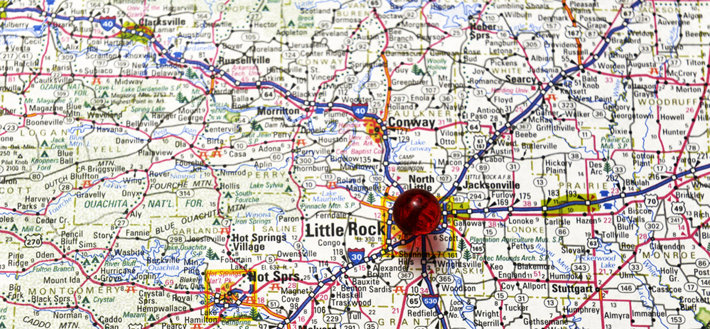
A largely rural state, it may be hard to find effective rehabilitation in Arkansas. It’s not a large state, but there’s no corner of it unknown to drug dealers. Interstate 40 runs from Fort Smith on the west side to Memphis on the east—this Interstate is well-known to many drug traffickers moving their products from the southern border to the East Coast, Midwest or Great Lakes cities.
Just a few hours’ drive from many of the metropolitan areas of Arkansas, a Narconon drug rehab center has been helping addicted individuals turn their lives around for more than twenty years. From Fort Smith, Narconon Arrowhead in Canadian, Oklahoma is just an hour and a half away.
Narconon Drug And Alcohol Rehab Has Been a Solution for Many in Arkansas
Nestled in the woods overlooking Lake Eufaula, Narconon Arrowhead has helped more than ten thousand people in their search for new, sober lives. The program’s methods are unique in bringing about a bright new outlook on life and then instilling new values and sober living skills. Because of this thorough approach, there’s never any medications needed as part of the rehabilitation process. The only medications at Narconon Arrowhead are ones properly prescribed by doctors for physical conditions.
In our withdrawal unit at Narconon Arrowhead, we ease people through a relatively tolerable withdrawal by supporting them with plenty of nutrition and one-on-one work with our staff. The staff deliver relaxing procedures called assists that help calm both the body and the mind. Escorted walks through the woods help the trauma of the past begin to fade away. Light procedures called objectives direct each person’s attention outward, off the body and away from the past, a very therapeutic action for a person starting rehab.
As soon as each person is fully sober, they are capable of focusing on recovering the abilities they lost to drugs or alcohol. It’s these recovered abilities that will sustain them in their sobriety. The next step in their rehabilitation will be a big step forward in regaining these abilities.
New Life Detoxification
Certainly, a person feels brighter once they are off the drugs used while addicted. But someone who knows that individual well can see that his bright, positive outlook and quick thinking has not yet returned. That fogginess and slow thinking is addressed on the New Life Detoxification.
Unlike other detoxes, this one is designed to flush out toxic drug and alcohol residues that remain lodged in the body. As long as these are present, they affect a person’s moods and thinking. A combination of sauna heat, special nutritional supplements and moderate daily exercise enables each person’s body to begin dislodging and eliminating these residues.
At the end of this detox, some people say they feel like they did before they ever started using drugs. Many report that their cravings and much lower and manageable. Some even say their physical cravings are gone. Now they are ready to learn now to stay sober after they go home.
Life Skills Training
During addiction, many people lose the ability to make the right choices. They may decide repeatedly to stop using drugs but they aren’t able to maintain that choice. And if they are successful for a while, it may not take much to trigger the desire to get high again. A chance meeting with a former drug-using friend, the smell of alcohol, the sight of a drug dealer’s house, an upset of some kind—any of these influences can trigger the desire for drugs or alcohol. Each person needs to develop stronger skills to keep them on a sober path.
The Narconon program builds these skills with the Ups and Downs in Life course, the Personal Values course, and the Changing Conditions in Life course. These three courses help each person make changes vital to their future sobriety: restoration of integrity, relief from guilt, knowing how to choose safe, sober associates and how to make sober, rational decisions.
With these new skills in hand, each person is then ready to work with Narconon staff to plan how he will put his new knowledge to work when he gets home. With steady followup once he’s back at home and work, he’s assisted in establishing that new life without drugs or alcohol.
A Dire Situation in Arkansas
While heroin makes the headlines in most states, Arkansas still struggles with high levels of methamphetamine use. In 2015, a truckload of liquid and crystal methamphetamine was seized on an Arkansas highway, valued at more than $10 million.
Where addictive substances are trafficked in volume, addiction numbers follow. The Substance Abuse and Mental Health Services Administration (SAMHSA) estimates the number of Arkansans addicted to drugs at 58,000. The number addicted to alcohol is estimated at 128,000. In all, 173,000 are being damaged by their use of either drugs or alcohol or both substances together.
Unfortunately, very few of these people are able to find rehab. One year, only 8,744 were admitted to any publicly-funded rehab centers in the state. That’s only about five percent of those who needed help – far lower than the national average. According to SAMHSA, the main drugs causing Arkansans to seek rehab are alcohol, methamphetamine, marijuana, painkillers or marijuana.
 ®
®