
Effective Drug Rehab in Hungary
Hungary has been rebuilding itself since the end of World War II but the widespread use of drugs is holding back their success. Those Hungarians who are addicted to drugs are using less cannabis but more cocaine, MDMA (ecstasy) and amphetamines. Also on the increase in this beautiful country is the use of dangerous new synthetic drugs.
Synthetic drugs are dangerous because they are created in illicit labs run by criminals with no regard for their customers’ wellbeing. Formulas change constantly as these manufacturers try to stay ahead of law enforcement—as one formula is outlawed, they shift a few molecules and begin to sell a new formula that could be said to be legal—for a little while. It could be that no human has ever consumed that drug so it could have completely unpredictable and deadly effects. Since 2010, there has been a steady increase in the number of people seeking treatment for addiction to this type of drug.
In Central Europe, the manufacture of methamphetamine is fairly common. Precursor chemicals are seized in Germany and Poland, and two tons of precursor chemicals have been seized in Hungary. Even more chemicals were seized in the Netherlands, a source country for stimulants headed to many other populations.
Hungary is also a transit country for supplies of Southwestern Asia’s heroin or cannabis that is headed to Western Europe, and for South American cocaine headed to European destinations.
Perhaps the brightest news in the Hungarian drug abuse scene is that the rate of drug-related deaths is about a fifth of the rate for the rest of Europe.
High Rate of Alcohol Consumption
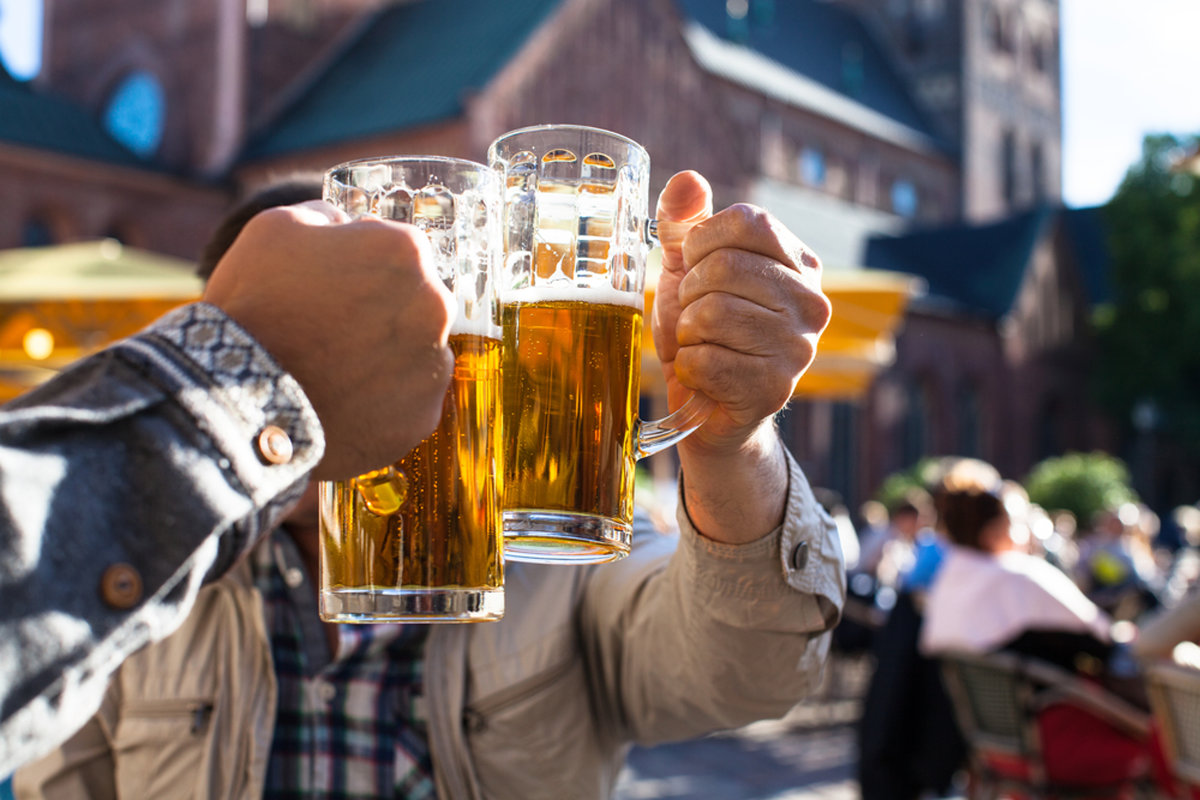
Hungary, Russia, and Belarus all have much higher than average rates of alcohol consumption when compared to the rest of the world. Globally, the average is 13.5 grams of pure alcohol per day. Hungary’s average is twice that. Hungary also joins Russia and Belarus in having the highest rate of alcohol abuse disorders—what most people would call alcoholism. The effects of this problem show up in health problems, crime, incarceration, traffic accidents, and unemployment.
Prevention and Treatment
There are many ways that Hungarian law enforcement and other organizations try to prevent drug abuse and intervene to get people into treatment. Law enforcement personnel make trips to school and life skills lessons attempt to instill the viewpoint and competence that would lead a person to choose a drug-free life.
Harm reduction practices help prevent the spread of disease but fall far short of helping the addicted reshape their lives into new, sober existences. Treatment is usually outpatient. If treatment is inpatient, it’s usually done in psychiatric facilities where drugs are likely to be prescribed.
Opioid substitution treatment (OST) is a popular treatment for those who were previously addicted to heroin, methadone, morphine or similar drugs. But this path means that these people who wished to recover from addiction are still chained to an addictive drug that has a profound effect on body and mind.
Narconon Garab Offers a Helping Hand
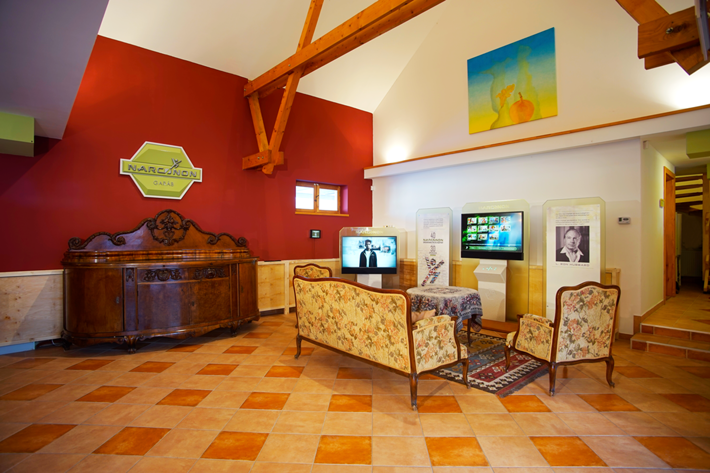
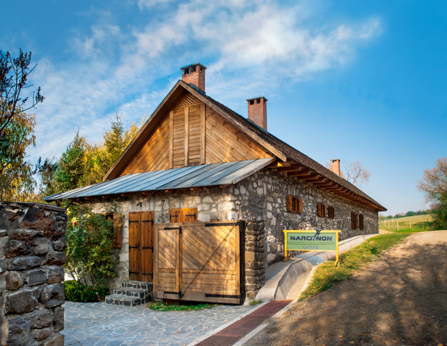
In the village of Garab, our Hungarian Narconon drug rehab center offers 24-hour-a-day support and guidance for those determined to achieve sobriety. This rustic center located in the beautiful and peaceful countryside itself offers a therapeutic environment in which to leave pain and trauma behind. But that is only one small factor in each person’s recovery.
The process of recovery starts with a drug-free withdrawal. It surprises some people that a withdrawal without drugs can be so tolerable. With generous nutritional support to calm the body’s reactions to the withdrawal of drugs and plenty of one-on-one support, this can be the most tolerable withdrawal a person has ever experienced.
Some people withdrawing from heavy doses of alcohol or benzodiazepines or who have certain medical conditions may need a medically supervised withdrawal. In those instances where it is determined that this is needed, Narconon works with medical detox facilities to ensure this step down is completed prior to starting the Narconon program.
Once withdrawal is complete, it’s time for a much deeper kind of detoxification. The New Life Detoxification utilizes moderate daily exercise with a strict program of nutritional supplements and carefully supervised time spent sweating in a sauna to brighten one’s outlook and bring cravings under control. Some people even say physical cravings are gone. The key here is the washing away of old drug residues that have never been eliminated from the body. This unique combination of actions enables the body to extract the toxins, which helps one think more clearly. This change in outlook prepares each person for the development of sound life skills in the later parts of this holistic, drug-free rehab program.
Life Skills for Stability and Lasting Sobriety
A better outlook on life is a good start, but what happens when one runs into one’s old drug-using friends? Will a person manage to stay sober if there is a bad breakup or a valuable job is lost in the future? Weathering these storms while staying sober requires strong life skills. And that is what is addressed in the later part of this drug rehab program.
Strong communication skills are built first so that a person can deal with relationship challenges without wanting to run away. Each person then works their way through a series of exercises that help bring his (or her) focus back to the present and away from a painful past. The improvements from this step improve each person’s self-control and ability to make positive decisions.
Finally, each person studies basic principles of healthy living and learns to use them to preserve sobriety. Protecting one’s personal integrity, choosing safe associates that will support one’s sobriety, and overcoming obstacles to success and goals are very important lessons at this stage of one’s recovery. These are lessons that can keep one on a sober path, even when life is unkind.
For fifty years, Narconon programs around the world have helped tens of thousands of people find lasting sobriety. Centers have been established on six continents in locations like Moscow, Taiwan, Colombia, Italy, Nepal, Mexico and the United States. If you are looking for help for someone who needs a new, positive and sober life, contact us today. We look forward to hearing from you and helping you or a loved one achieve a lasting recovery from addiction.
 ®
®