Restoring Lives and Families Needing Drug Rehab in Washington
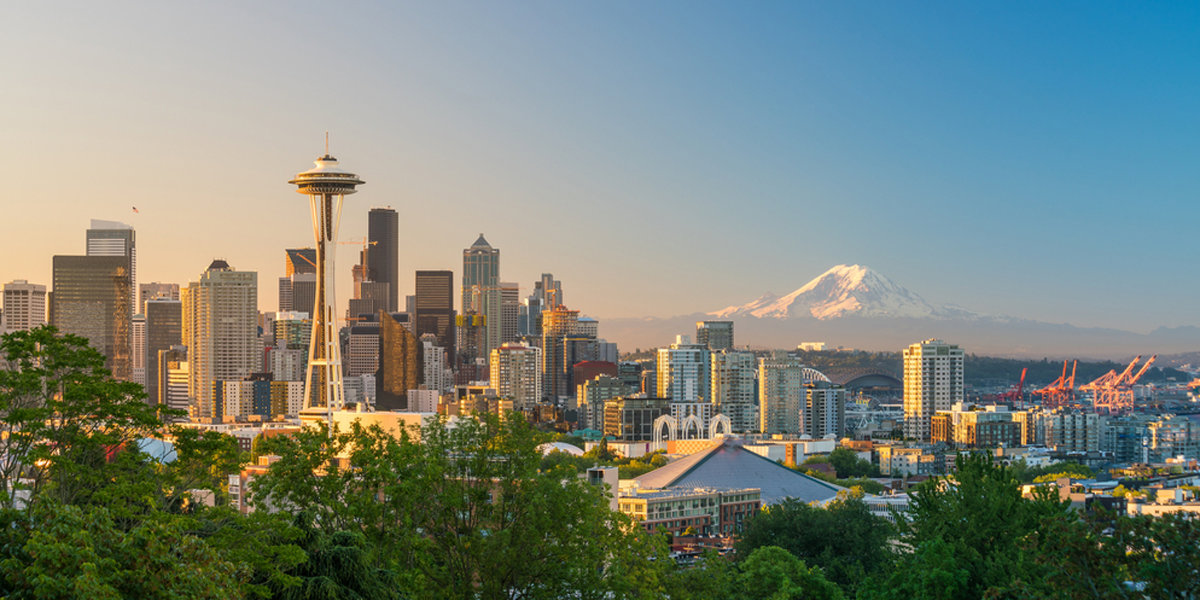
Along with Colorado, Washington was in the forefront of legalizing marijuana for recreational use. While the state’s laws were not as wide-open as those of Colorado, its pot market expanded quickly and massively. In two years of legalized recreational marijuana sales, there was $1 billion of non-medical pot sold. It could have been sold in gram, ounce or larger quantities, making it impossible to say estimate the actual poundage. But if you just converted $1 billion in dollar value to joints priced at $3.50 each, that would work out to 286 million joints. Or 66 joints per adult Washingtonian over a two-year period.
According to a 2016 survey of Washington residents, nearly one in five adults under 30 years of age reports using marijuana. The number of adults over 30 using marijuana is about half that. Nationally, the number of adults consuming cannabis products nearly doubled in the three years between 2013 and 2016.
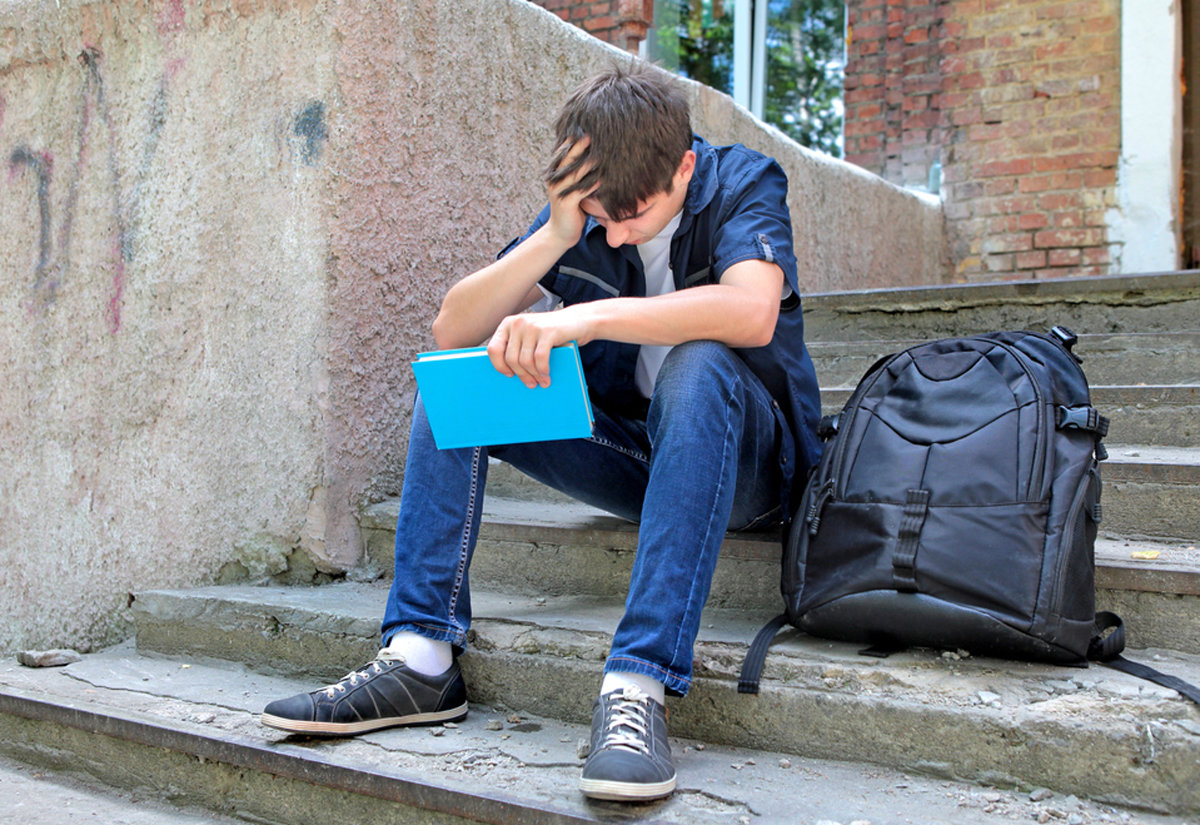
Some of the effects of legalization have been definitely negative. The state began to be plagued with house explosions due to people trying to manufacture butane hash oil in an unsafe manner. For youth aged 12 to 17, marijuana use numbers are higher than the national average, with about 10% of youth using the drug. Nearly half of all school expulsions are related to the students’ use of weed.
Ridding the Body of Drug Residues
One well-known effect of using marijuana is lingering nature of residual toxins from consumption. Traces of cannabis use can be found stored in fatty tissues months after use stops. At Narconon drug rehab centers, we have a healthy way to flush out these toxins and return brightness and clarity to one’s thoughts. This action combines time in a low-heat sauna, a strict nutritional supplement regimen and moderate daily exercise. These three factors together activate the body’s ability to dislodge old drug toxins and get rid of them. As these residues leave, energy and positive outlook improve.
The next step is called the objectives. This is where the recovering person can regain the ability to control his (or her) decisions, actions and environment. After all, for the time he was addicted, it was like drugs were making the decisions, not him. In a precise and intensive series of exercises, each person recovers a fresher perception of his immediate environment. He even regains more control of his own emotions and thoughts.
Building New Life Skills in Drug Rehab
When a person goes home from rehab, he is going to be faced with many situations that could drive him back into drug use for an escape. It could be a relationship breakup, a job loss or some other disappointment. He needs to have the strength to make the right decisions to enable him to stay sober. These skills are the next subject covered on the Narconon program.
First, he must learn how to differentiate an anti-social person from one who will support his success and sobriety. He must also learn how to keep himself safe from the effects of the anti-social.
Next, he will learn what he did to give up his own personal integrity. He applies this lesson to his life to find relief from the crushing guilt every addict carries around. Finally, he learns how to solve problems in his life that could become overwhelming if not cared for—how to repair relationships, succeed in a job, become a well-regarded member of the community again. Once he puts all these lessons to work in his life, he realizes that he deserves a chance at a happy life and gives himself the chance to do so.
The very last action is to plan one’s re-entry into life. With the support of Narconon staff, each person lays out the steps to gradually returning to normal post-rehab life.
Prescription Drug Distribution Ring Had Devastating Effect
In 2016, the Los Angeles Times documented the activities of a major prescription drug trafficking ring that obtained pills illicitly in the Southland and brought them up the Interstate 5 corridor to Washington. In 2017, the City of Everett filed a lawsuit on the manufacturer of OxyContin. The lawsuit alleged “that the company turned a blind eye to criminal trafficking of its pills to ‘reap large and obscene profits’ and demanding it foot the bill for widespread opioid addiction in the community.” At the height of this pill trafficking, OxyContin was involved in more than half the crimes in the county.
While alcohol is the top drug sending Washingtonians to drug rehab, that may not be the case for long. At last report, marijuana and heroin were tied for second place, with heroin on the rise and alcohol numbers dropping.
Everywhere a prescription drug problem goes, a heroin problem follows. The Northwest—particularly Seattle—has long had a serious heroin problem. In the last several years, it has gotten much more serious. In 2014, the number of heroin overdose deaths in the Seattle alone was three times the number for the entire county in 2009. Treatment admissions complaining of heroin addiction doubled over a similar time period. Statewide, heroin overdose deaths nearly tripled between 2006 and 2015.
For those in Washington State who seek lasting recovery from addiction, Narconon centers are located not too far away in Colorado, Nevada and California. For a person who wants to put a little more distance between themselves and their drug dealers, there are also Narconon facilities in Michigan, Oklahoma, Texas, Louisiana and Florida.

For more than fifty years, Narconon has been the choice of tens of thousands of people who wanted to break completely with their addicted pasts. Learn how Narconon can be the last rehab program you or someone you care about will ever need.
Call 1-800-775-8750 today for more information.
 ®
®