With 16 years in the field of drug and alcohol addiction, Matt began with hands-on experience where he developed a deep understanding of the challenges faced by individuals struggling with substance use disorders. Over the years, this foundational experience led him to pursue certification, and he is now an Internationally Certified Drug and Alcohol Counselor.
With degrees in Computer Science and Physics, the topics of evidence-based practices and statistical outcome monitoring quickly became a growing interest of his. This unique academic background has instilled in him a commitment to analytical thinking that informs all his editorial work. When evaluating research or explaining treatment methodologies, he applies the same scientific rigor that guided his academic training.
Currently pursuing a Master's degree in Computer Science with research focused on statistical modeling for evidence-based outcomes and healthcare privacy systems, he remains at the cutting edge of how technology intersects with addiction treatment. This ongoing scholarship enables him to translate emerging research into clear, actionable information for readers.
What sets his editorial perspective apart is this interdisciplinary background—a bridge between clinical practice, scientific methodology, and technological innovation. Readers benefit from content that has been carefully crafted to be scientifically sound, clinically relevant, and compassionately framed by someone who understands the field from multiple dimensions.
Having experienced addiction firsthand, Matt's own journey of recovery informs his work in profound ways. His personal story is evidence that not only is recovery possible, but it can bring a lifetime of rewards. This lived experience, mirrored by thousands of individuals he has helped throughout his career, makes his perspective uniquely authentic and hopeful. Matt's personal and professional path reflects the transformation possible when expertise meets compassion in the field of addiction treatment.
Though its consumption is normalized and considered acceptable in American culture, alcohol harms the mind and body, even when used “in moderation.” A recent study found that even just one drink “primes” the brain for addiction.
The increase in child and adolescent cannabis exposure is a clear downside of cannabis legalization, yet the issue is rarely discussed. This article reports on the problem as it is currently developing in Colorado, while also touching on other health-related harmful effects of cannabis legalization...
In light of an increase in children misusing cough syrup, parents must do everything possible to make the home safe for their children. Parents must also talk to their children about drugs and help their sons and daughters understand why they should avoid mind-altering substances.
Researchers are developing a pain relief method that targets adrenaline receptors rather than opioid receptors. The goal is to produce a pain reliever as effective as opioid painkillers but without harmful side effects and addiction risk.
New reports show the club drug ketamine, also known as “Special K,” may be used to treat severe depression. But is it such a good idea to push a drug to treat depression when that drug has a long history of being addictive, mind-altering, and potentially quite harmful?
Learn how the many facets of holistic alcohol rehab that repairs harm done to the body, mind and spirit can finally change an addicted person’s life for good.
Long-term drug rehab is the best solution for a person who's spent years addicted as it provides enough time and support to gain strong new sober living skills.
For maximum support, residential drug rehab is the best choice. Many have that that residential drug rehab made all the difference in their lasting sobriety.
Sexual assaults facilitated by drugs placed in drinks are more common than ever, requiring both women and men to maintain vigilance while at parties and bars.
This article highlights the findings regarding youths being exposed to substance abuse at a very young age while also extrapolating what that means for young people to grow up in a home where substance abuse is normal and seen as a typical thing to do.
A new study has shown that when a doctor is told that a patient of theirs survived a near-fatal overdose on opioids, the rate at which that doctor prescribes opioid pain relievers to his patients falls in the following year. The study also found that if the doctor’s patient died as a result of an opioid overdose, that doctor’s rate of prescribing falls even lower. The data from the study suggests that simply informing doctors when their patients suffer an overdose could be a tool for shifting the American medical sector towards more cautious, conservative painkiller prescribing practices and alternative pain relief techniques.
The list of new drugs is more than 1,000 entries long, and counting. Keeping track of new drugs is an essential part of keeping families and communities safe.
Millions of teens and young adults vape tobacco and flavored fluids but some are choosing to add THC, heroin, fentanyl or other drugs to their devices.
A significant percentage of young people undergo their first exposure to mind-altering drugs by simply consuming leftover medications they found in the family medicine cabinet or elsewhere in the home. Because it is far easier to prevent someone from using drugs than treat addiction once the person is hooked, families should commit to creating substance-free homes.
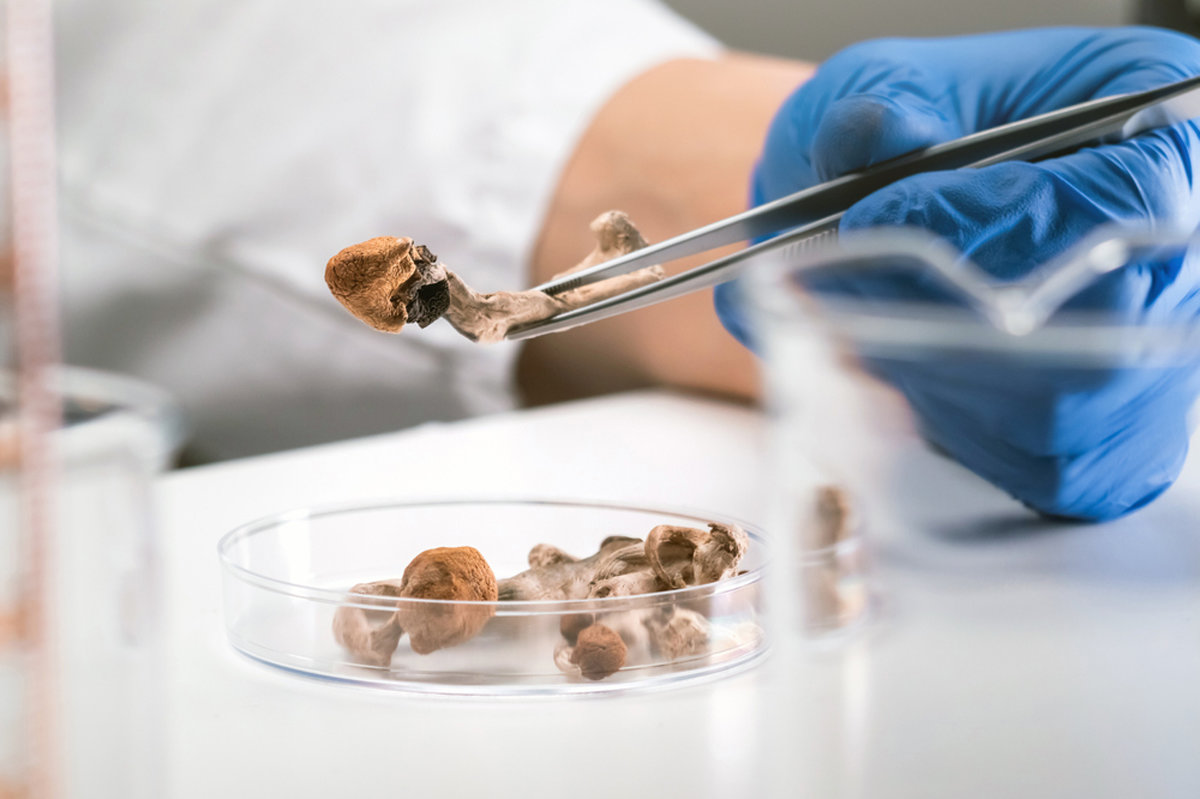
The primary criticism of pro-legalization efforts regarding psilocybin is that, at this time, there is conflicting information and inconclusive evidence on whether or not the drugs are even beneficial. Interested parties must remember that the federal government and FDA have not completed their research into psilocybin, and the drug remains illegal on the federal level.
Recent data from the Centers for Disease Control and Prevention suggest a slight leveling-out in overdose deaths across the U.S. This has led some to believe the worst of the addiction epidemic has passed. Unfortunately, no leveling-out or even a downturn in overdoses will become stable and lasting if effective treatment options are not made available to the 23 million addicts at constant risk of an overdose.
In what many consider a step backward for the movement towards cautious, conservative opioid prescribing, the CDC has softened its recommendations on how doctors should prescribe potentially addictive painkillers.
If voters are to decide the fate of marijuana legalization, voters must know the truth about marijuana, and they must be informed about the short and long-term effects of the drug.