Helping West Virginia with its Plague of Addiction and Loss of Life

ON THIS PAGE

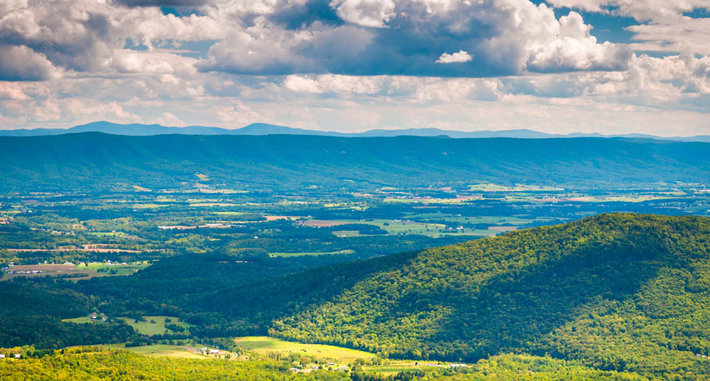
Bear Rocks Preserve in West Virginia.

West Virginia may not be in the news headlines often but perhaps it should be. This small state tucked away in the hollows of the Appalachians leads the country in disastrous effects from our current opioid epidemic.

Consider cases of neonatal abstinence syndrome (NAS)—that’s what it’s called when a baby who was exposed to opioids in the womb is born and suddenly no longer gets those drugs via the mother’s blood. Essentially, the baby goes through withdrawal. For weeks, this newborn must be tapered off opioids so it does not die of dehydration from the vomiting and diarrhea and so that it can sometimes sleep. In 2013, West Virginia had the highest rate of NAS in the country.

Increasing rate of neonatal abstinence syndrome in West Virginia.
In 2013, West Virginia had the highest rate of NAS in the country.

This graph reveals how this problem has increased in West Virginia. In 2000, there was only one of these births for every 2,000 children born. Now, there are 33.4 of these traumatic births per 1,000.

In 2015, West Virginia also led the country in their rate of overdose deaths, according to the Centers for Disease Control and Prevention. Most families in this state know many people who are addicted or have overdosed – perhaps multiple times before their luck ran out and they finally lost their lives.

It only takes looking at one statistic to understand how the problem was triggered. According to in-depth reporting on this problem from the Charleston Gazette-Mail, “wholesale drug distributors shipped 780 million hydrocodone and oxycodone pills to West Virginia over six years (between 2007 and 2012).” That comes to 433 pills a person—and that includes every individual of every age. If you just use the over-18 population for this calculation, it comes to about 730 pills per person. There’s no question that you’re going to get a high rate of tragic addiction-related effects if you drive this many pills into a small area.

A coal miner at work.

It doesn’t help that West Virginia is coal mining country where the jobs are strenuous and often result in injuries. The need to get back to work and protect one’s job would lead many people to rely on painkillers rather than wait until they were fully healed.

An analysis of opioid-related overdose deaths between 2007 and 2012 showed that most of them occurred in the southern part of the state and both panhandles. In 2017, attorneys in West Virginia filed federal lawsuits against the drug wholesalers who shipped these pills, seeking billions in reimbursement for the devastation they caused.

The limited numbers of drug rehab programs in West Virginia, means that help is needed for those people who may never have abused an illicit drug in their lives until they became addicted to painkillers their doctors gave them.

West Virginia

In Jackson County, West Virginia, they were the two top news stories of 2009: the closing of the Century Aluminum plant and the indictment of 51 people on charges relating to the manufacture and distribution of methamphetamine.

When the Century plant closed, it took more than 800 jobs with it: more than 630 jobs from the plant itself and 170 from supporting companies in the region. It also took millions of dollars annually out of the community, in payroll and in services and products purchased locally.

Many areas of the U.S., both rural and urban, find that unemployment, poverty, and crime go hand in hand. Methamphetamine manufacturing in the home, garage, shack or even a moving car may increase in an area that has recently lost jobs and incomes. Meth is so easy to make if you can acquire the materials necessary, some of which are illegal, that it can be a hard temptation to resist.

In addition to poverty and unemployment, West Virginia also sees high levels of adult illiteracy, broken families, teenage pregnancy and public corruption. These conditions plus a long-established tradition of illegal alcohol production create a tolerant atmosphere for illegal drug activities among some citizens.

To produce aluminum, it takes coal. West Virginia has plenty of coal. But earlier mining methods often meant taking off an entire hilltop to mine out the coal - a practice very destructive to the environment. Old mines play out and permits are requested for new mines, but new regulations on mining methods are restricting the number of new mines that can be opened. Thus more jobs and income to local communities are restricted or lost.

Not surprisingly, the pattern of coal mines in West Virginia roughly matches the location of the state’s High-Intensity Drug Trafficking Areas: the south and southwest corners with a streak pointing northeast up the middle of the state.

Like many of the Eastern states, West Virginia sees problems with marijuana cultivation and consumption, as well as diversion and abuse of pharmaceutical drugs oxycodone, hydrocodone, methadone and Xanax (alprazolam). There is some cocaine in both its powder and crack cocaine forms, and heroin. Very often, it’s inner cities that suffer from crack cocaine. In West Virginia, rural areas are the hardest hit by both crack use and the violence that accompanies it. Most heroin use is seen in the northern and central part of the state.

From West Virginia, it’s easy to take the Interstates to Philadelphia, Baltimore, Pittsburgh or Washington, D.C. to obtain stocks of cocaine and heroin to sell to West Virginians. Prescription drugs are obtained through prescription fraud, theft from health care facilities or individuals, doctor-shopping or the internet.

Of citizens 12 and older, 120,000 or eight percent state that they are dependent on or abusing alcohol or illicit drugs. Only about seven thousand people found treatment within the state for their problems with drugs or alcohol. Thus well over a hundred thousand people were without drug rehab or alcohol abuse treatment help for their addictions.

The only outcomes of addiction are sobriety, prison or death. Those who don’t find an effective drug recovery facility either achieve sobriety on their own or face serious consequences.

The majority of people entering drug treatment centers do so for help with problems with alcohol consumption. The next largest group falls under the heading “other opiates” (than heroin) which would include methadone, OxyContin, Vicodin or Lortab, morphine or Suboxone, a new drug used in addiction treatment for heroin.

Also in 2008, more than 900 West Virginians sought addiction treatment for marijuana addiction. More than 300 needed to find substance abuse treatment centers for crack cocaine or powder cocaine.

Until more rehab centers are available, more West Virginians will suffer from substance abuse and addiction, with some losing their way into crime and prosecution or even losing everything to an overdose.

In Narconon, addicts can find the solution they need to drug or alcohol addiction. A holistic substance abuse treatment program takes those who are addicted through a thorough detoxification and reorientation exercises, and then into a life skills training regimen that enables people to leave the past behind and look forward to a bright new future. Graduates ordinarily restore family relationships, renew personal value systems and experience the relief of restored personal integrity. It all adds up to a new life without drugs.

To those who wish to break the pattern of drug use or drinking that is destroying their lives, Narconon provides a unique drug recovery program that works.

At Narconon drug rehab centers around the world, tens of thousands of people have found a drug-free path to lasting sobriety. There are no drugs given as part of this treatment program because none are needed. This program focuses on healthy ways of repairing the damage done by years or even decades of drug or alcohol use and then rebuilding the life skills that are needed to sustain sobriety.

Even our withdrawal is drug-free. Symptoms are eased with nutritional supplementation specifically designed to calm aches and pains and support an improved mood. Gentle physical processes and reorientation exercises help a person leave a painful past behind and start focusing on a more positive future.

Following withdrawal, each person will complete the New Life Detoxification. This procedure uses time in a low-heat sauna, a specific regimen of nutritional supplementation and moderate exercise to activate the body’s ability to wash away stored toxins. Drugs, alcohol and other toxins leave residues buried deep in fatty tissues where it is hard to reach. The New Life Detoxification enables a person to wash them away, resulting in a greatly improved outlook and clearer thinking. Before this is done, these residues make rational thinking and choices very difficult.

When this step is complete, many people talk about how much more energy they have and how their cravings are finally reduced. Some people even say their physical cravings are gone.

Without the improvement this step provides, a person may struggle with their dark outlook and incessant cravings, every minute of every day. But with this help, they can focus now on learning how to enjoy a sober life.

Anyone who has been addicted for a while loses life skills. Those skills don’t automatically return when drugs are gone. They have to be rebuilt.

In the Narconon life skills training component, a person learns skills they will need after they go home. But they also apply these skills to their lives while still in rehab to find relief from guilt and trauma.

For example, they learn the difference between social personalities and antisocial personalities. By working with these concepts, they can identify the “friends” who helped them down the path to addiction and prepare to deal with these personalities in the future.

Likewise with the training they receive on integrity. They learn the basic principles of how integrity is lost and then they learn how it can be recovered. When they put these principles to use in their immediate lives, the relief is enormous. Finally, they can permit themselves to be happy again. They can finally feel like they deserve an enjoyable, sober life.

Still, they must repair the damage they have done to their relationships, work and community. The next life skills course they do educates them on how to assess this damage, and the formulas that enable the repair to take place. Undoing the damage is never instant but they learn how to work through the steps to get the final result of a life they can be proud of.

Get Help Now

Fill out this form and a Narconon Consultant will contact you.
Please provide as much information as possible.

I understand that I will be contacted by Narconon and acknowledge that I have read and agree to Narconon's Privacy Policy.

Thank you!


Your message was well received. Someone will be reaching out to you shortly.

Pardon!


Something went wrong. Please try resending your request!

A couple and their dog enjoying West Virginia.

In the U.S., there are multiple Narconon centers available to help families. A West Virginia family might choose the centers in Oklahoma or Louisiana, since they are not so far away. There are also choices in California, Colorado and Florida.

The Narconon drug rehab program has a fifty-year history of offering this drug-free solution to addiction. Learn more about Narconon today.

Contact us to find help for yourself or someone you care about.