Idaho Drug Addiction
ON THIS PAGE
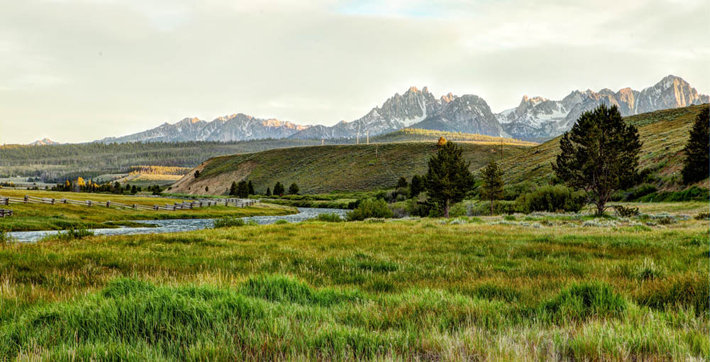
Despite being a relatively remote and rural state, Idaho is in the crosshairs of drug traffickers who want to sell their products. It’s one of the few states that has no law permitting the use of cannabis products, either medically or recreationally. But to the west, three states touching Idaho have all legalized the recreational use of this drug. Marijuana diverted from Oregon is found all over Idaho and there are high levels of cultivation. The country’s largest grow—10,000 marijuana plants—was found near Grace, Idaho in 2012. While there are marijuana arrests all over the state, they are heaviest in Clark County, followed by Boise and Valley Counties.
It was only in 2014 that Idaho began seeing more heroin-related deaths. In many other states, this shift started in 2010-2011, as prescription painkillers began to be reformulated to prevent abuse and statewide monitoring programs made it hard to get enough pills from doctors and pharmacies to maintain an addiction. These changes encouraged people to migrate to the use of heroin. Drug cartels and traffickers obliged by boosting the quantity of this drug brought into the state. Between 2014 and 2015, the amount of heroin seized by law enforcement jumped an astonishing 800%. Statewide, the rate of arrests for heroin increased ten-fold between 2009 and 2015.
A Checkerboard of Drug Incidents in Idaho
Treasure Valley, in particular, is a source of heroin because Interstate 84 swings through this area. Drug traffickers and distributors love the American Interstate system because it makes their job easier.
Treasure Valley is the focus of many of Idaho’s law enforcement and drug treatment experts. The region stretches from Boise to the Oregon border to the West and includes Caldwell, Nampa, and Meridian. More than a third of Idaho’s population lives in this valley so it is logical that much of the drug abuse, addiction, and drug-related crimes occur here.
Drug addiction treatment admissions for methamphetamine and marijuana have been increasing steadily in the region, and deaths from benzodiazepines and the opiates methadone and morphine are sharply up. Ada County, where Boise is found, usually has binge drinking rates higher than the statewide average.
Cocaine is widely available throughout the state and perhaps due to falling prices, has seen increasing popularity in recent years. Cocaine use estimates have tripled in the last year or two. The change is thought to result from a reduced methamphetamine supply. Meth users may switch to cocaine when there’s less methamphetamine in circulation as both drugs are stimulants. Unfortunately, meth supplies have not reduced enough to cause Idaho’s problem with meth abuse and addiction to go away.
In 2016, the Walgreens drugstore chain announced that it would offer the opioid antidote naloxone to Idaho families without requiring a prescription so they could bring a loved one back from an overdose before emergency medical services arrive.
Clark County has an arrest rate four times that of Boise County and more than 20 times that of Elmore County. According to a sheriff’s report for Clark County, there’s almost no crime in the county other than drug crimes.
Nationally, an intense effort to restrict the manufacture, distribution and use of methamphetamine was successful in reducing the numbers of users. Admissions to addiction treatment for methamphetamine dropped as these changes were made. In Idaho, this drug is making an undesirable comeback. Between 2009 and 2015, the number of arrests for meth more than doubled and the number of people admitted to rehab centers for meth addiction keeps creeping up. Meth may not take as many lives but the drug contributes to high levels of property and violent crime wherever it is used.
Methamphetamine is the Curse of Many Western States, Especially Those with Extensive Rural Areas
No one knows exactly why rural residents tend to have higher proportions of methamphetamine addiction than urban areas. Was it because the home production of methamphetamine caused so many toxic fumes that for many years, production mostly took place out in the country? Or were these citizens more prone to methamphetamine abuse that turned into addiction? Or were they simply targeted by drug dealers for unknown reasons? Whatever the cause, the pattern remains that many rural young adults in the West and Central states suffer from methamphetamine addiction in greater numbers than city-dwellers.

In Idaho, meth abuse began to climb after 2003. Despite changes in state laws in many states over the next few years that limited domestic meth production, meth abuse, and addiction numbers didn’t drop but rather increased. This was because Mexican drug trafficking organizations promptly took over the methamphetamine market. Now instead of Idaho’s law enforcement fighting methamphetamine trafficking from small domestic labs, it’s a war fought on interstates and highways, trying to catch the drugs as they enter the state and travel to every corner.
Even as changes in laws tried to reduce meth abuse, the numbers of users and people entering drug treatment showed that this approach was not working. Statistics on meth abusers doubled by 2006 and almost tripled by 2007. In fact, 52 percent of Idaho’s prison inmates are incarcerated due to problems with methamphetamine. Overall, drug arrests nearly tripled between 2003 and 2007. In January 2010 alone, nine people were sentenced to jail for their part in methamphetamine trafficking rings.
Idaho Fights the Problem with a Special Prison
In an effort to curb the growth of substance abuse and drug addiction, Idaho has built a prison dedicated to drug offenders only. This prison, which has not yet been funded or opened, is intended to focus on drug addiction treatment for inmates with the hope of keeping these offenders from returning to drug use and further criminal incarceration after release.
As for treatment for non-inmates, there are a few opiate substitution programs available for addiction treatment for prescription opiates/opioids or heroin in the state but none in Treasure Valley. This fact has both a plus and a minus side. On the plus side, a substitution program at least allows those addicted to prescription painkillers or street opiates to live a crime-free life. But on the minus side, substitution programs do not teach addicts to live completely drug-free lives, which is the message of the Narconon drug and alcohol rehabilitation program.
Get Help Now
Fill out this form and a Narconon Consultant will contact you.
Please provide as much information as possible.
Idaho Residents Seek Treatment for Illicit Drug Addiction More than Alcoholism

In most states, the biggest numbers of people entering treatment in drug rehabs are for treatment of excessive alcohol consumption. In Idaho, it’s a little different. In 2008, just over a thousand people sought alcohol addiction treatment and 1,282 entered a drug recovery facility for problems with alcohol plus a secondary drug. But the largest number of people entering Idaho rehab centers in 2008 sought help for marijuana addiction (1,834). Sadly, 60 percent of these people were between 12 and 20 years of age. Second place went to those in drug programs for methamphetamine addiction (1,559).
At Narconon drug and alcohol rehabilitation centers across the United States and around the world, those seeking recovery from addiction to alcohol or illicit drugs learn to live fully drug-free lives in these holistic, drugless addiction treatment centers.
The program uses an innovative form of detoxification that employs vitamins, minerals, and a dry-heat sauna to thoroughly detoxify the body of drug residues lodged in fat tissues. Without this step, many addicts are driven back to drug use by the cravings associated with these residues, even when they earnestly wish to live a sober life. After this detoxification step, many of those at the Narconon drug treatment centers state that their cravings are greatly reduced or even eliminated.

 ®
® ) on our articles for the most up-to-date and accurate information.